184-3798-7002 189-0639-9575

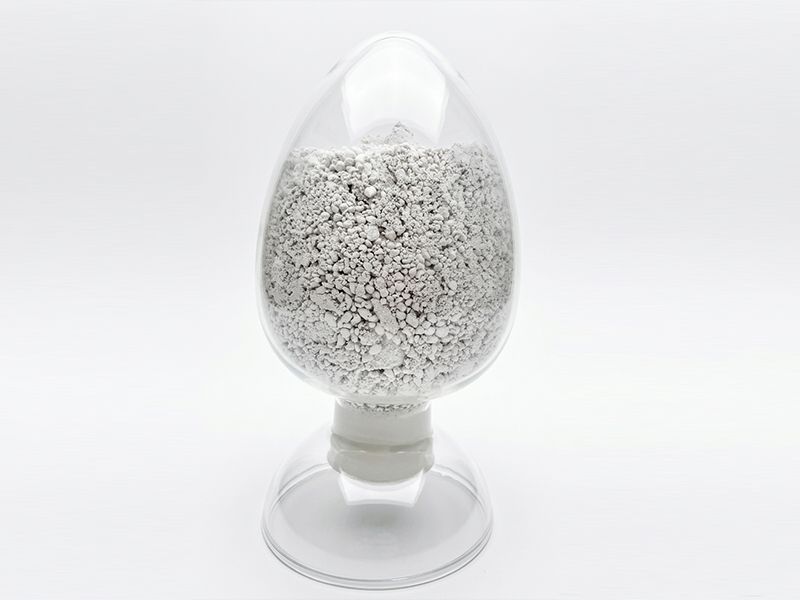
High-temperature resistant thermal insulation coating

High-temperature resistant thermal insulation coating

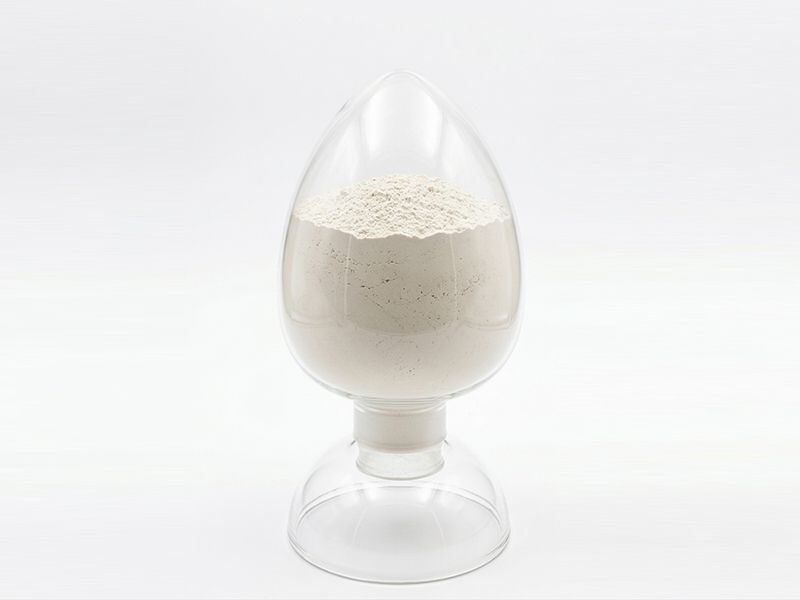
This product is a water‑based, eco‑friendly high‑temperature thermal insulation coating specifically developed for industrial high‑temperature equipment. It is formulated with high‑quality refractory powders, inorganic binders, and various functional additives. Once applied, it forms a dense ceramic insulating layer that effectively reduces heat conduction, minimises thermal energy loss, and offers excellent thermal shock resistance and chemical stability. We supply directly from the factory and support customisation (colour, thickness, temperature resistance grade) to meet your specific needs, with stable quality and reliable after‑sales service.Typical ApplicationsThis coating is widely used for thermal insulation, anti‑oxidation, and energy‑saving retrofits in the following high‑temperature working conditions:Industry / FieldSpecific Application AreasMetallurgy / SteelHot blast pipes for blast furnaces, ladle shells, permanent lining insulation for tundishesPetrochemical / ChemicalReactor vessel exteriors, cracker furnace linings, high‑temperature pipe flange connectionsCeramics / GlassKiln cars, regenerator partition plates, glass melting furnace breastwallsPower / BoilersWater walls of coal‑fired boilers, flue gas waste heat recovery pipes, steam mainsBuilding Materials / CementRotary kiln shells, cooler housings, preheater ductworkNew EnergyLithium battery sintering furnaces, outer wall insulation for photovoltaic polysilicon reduction furnacesTypical Use‑Case ExamplesSteel plant hot blast pipe surface temperature reduced from 450°C to below 180°C, cutting heat loss by approximately 30%.Chemical reactor exterior with an 8 mm coating layer: surface temperature drops by 120°C, improving the working environment and reducing air‑conditioning loads.Coating the underside of kiln cars reduces heat transfer downward, extending wheel and bearing service life by 2‑3 times.Why Choose UsDirect factory supply – no middleman margins, more cost‑effective for bulk orders.Free samples (small trial sizes) and on‑site application guidance provided.Formulation can be adjusted according to your operating conditions to meet special requirements for acid resistance, alkali resistance, or abrasion resistance.Complete test reports, MSDS, and construction specification documents are supplied.Contact UsHotline: 184-3798-7002(Feel free to call for product brochures, quotations, or to schedule a technical consultation.)

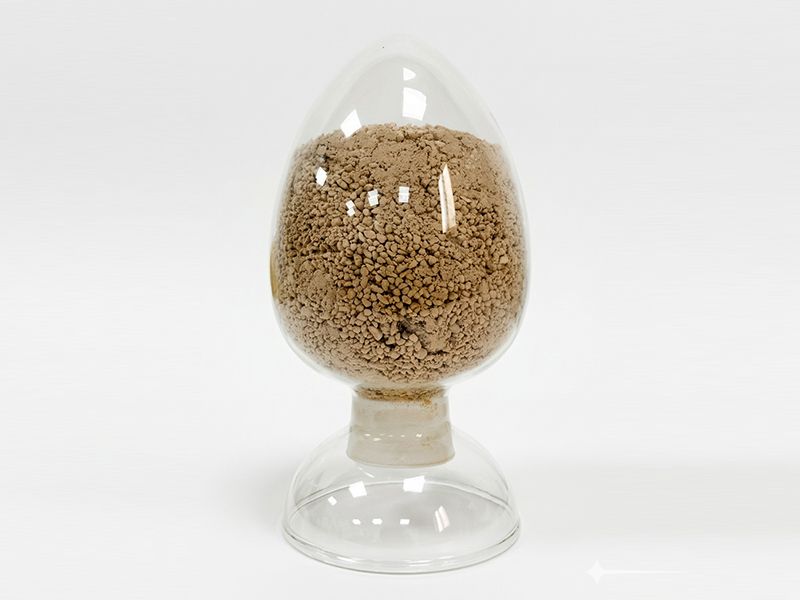
Anti‑Radiation Thermal Insulation Coating

Anti‑Radiation Thermal Insulation Coating

Water-based environmentally friendly coating with high reflectivity and low emissivity, effectively reflecting infrared heat radiation, reducing surface temperature, and providing insulation. Customization available, direct from manufacturer.Applicable Scenarios: Metallurgical hot air ducts, petrochemical heating furnace walls, ceramic kiln exterior walls, boiler furnace walls, cement rotary kilns, solar thermal equipment, etc.Why Choose UsDirect factory price, bulk order discounts.Free samples and on‑site application guidance.Formulation adjustable for acid, alkali, or abrasion resistance.Full test reports, MSDS, and construction specifications provided.Contact UsHotline: 184-3798-7002Call for brochures, quotations, or technical consultation.

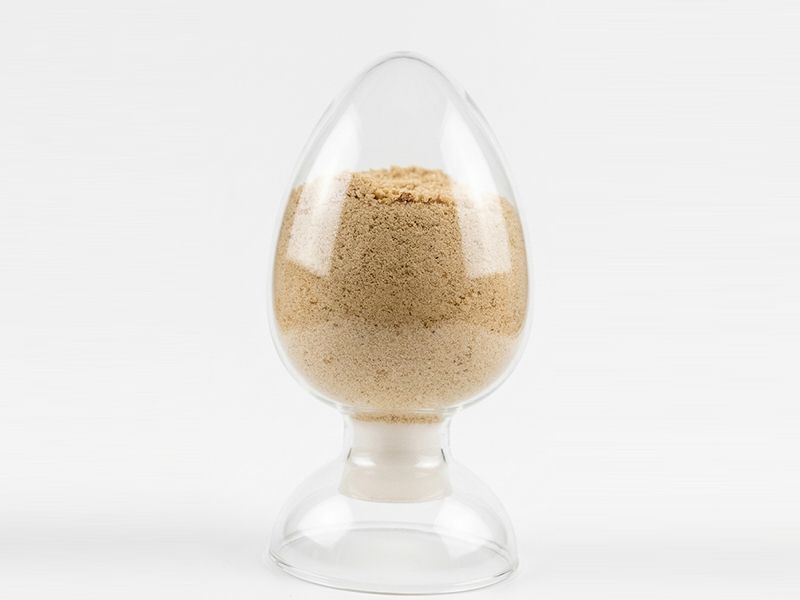
High-temperature Sealing Compound

High-temperature Sealing Compound

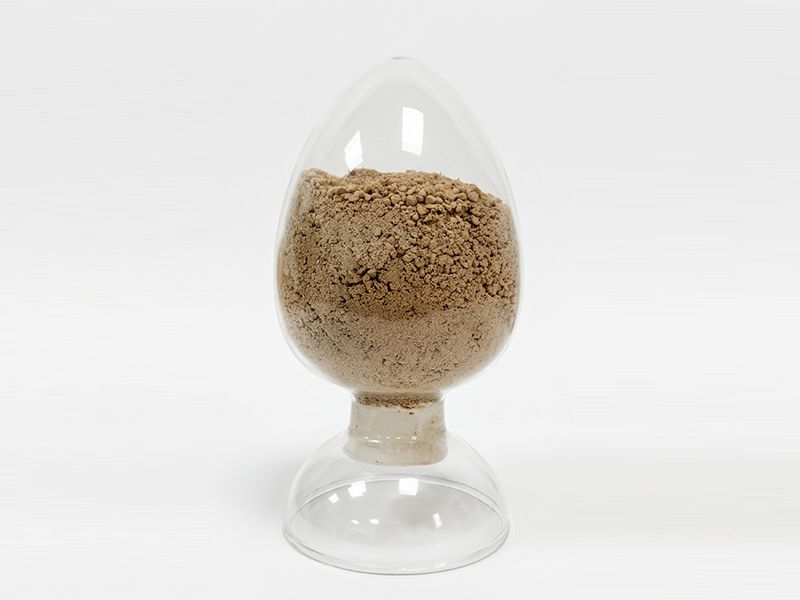
This product is a premium siliceous sealing material specially engineered for extreme high‑temperature service. It is formulated with high‑purity silica aggregates, special inorganic binders, and modified additives. It offers reliable adhesion, a dense structure, excellent flexibility, and rapid curing performance. Ideal for sealing furnace roofs, high‑temperature pipe flanges, kiln joints, and other critical gaps. Direct factory supply with customisation (packaging, consistency, curing speed) available, stable quality and full after‑sales support.Core AdvantagesSuperior High‑Temperature Resistance – Maximum service temperature ≥ 1750°C, withstands severe thermal shock.Reliable Adhesion – Bonds firmly to refractory bricks, castables, and metal anchors without peeling.Dense Structure – Effectively blocks hot gas penetration, minimising heat loss.Rapid Curing – Fast surface drying at room temperature; rapidly ceramifies upon heating, shortening installation time.Reliable Sealing – Low permeability (≤22%) ensures airtightness, prevents flame leakage.Heat Resistant & Durable – Crushing strength increases after firing (≥420 kg/cm²), extending service life.Flexible Structure – Accommodates thermal expansion/contraction, reducing cracking risk.Rapid Setting – Quick shape stabilisation for efficient workflow.Widely used for furnace roof sealing, joint filling, hole patching, and irregular gap sealing in high‑temperature industries:Industry / FieldSpecific Application AreasMetallurgy / SteelBlast furnace roof sealing, hot blast stove roof, ladle cover joints, EAF furnace coversPetrochemical / ChemicalCracker furnace roofs, reformer tube manifolds, reactor manhole flangesCeramics / GlassTunnel kiln roofs, shuttle kiln joints, glass melting furnace breastwall expansion gapsPower / BoilersCFB boiler roofs, high‑temp flue expansion joints, steam main flangesBuilding Materials / CementRotary kiln inlet/outlet seals, preheater cyclone flanges, cooler grate slot sealingHeat Treatment / ForgingIndustrial resistance furnace doors, thermocouple tube packingWhy Choose UsDirect factory supply – competitive pricing for bulk orders.Free samples and on‑site technical guidance available.Customised particle size, consistency, or curing time per your requirements.Complete test reports, MSDS, and construction specifications provided.Contact UsHotline: 184-3798-7002Feel free to call for brochures, quotations, or technical consultation.

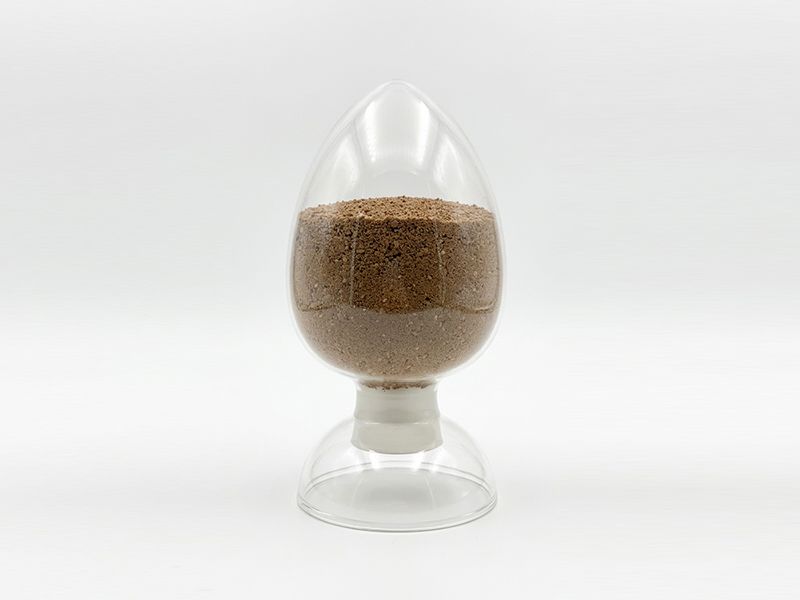
Silicon plastic

Silicon plastic

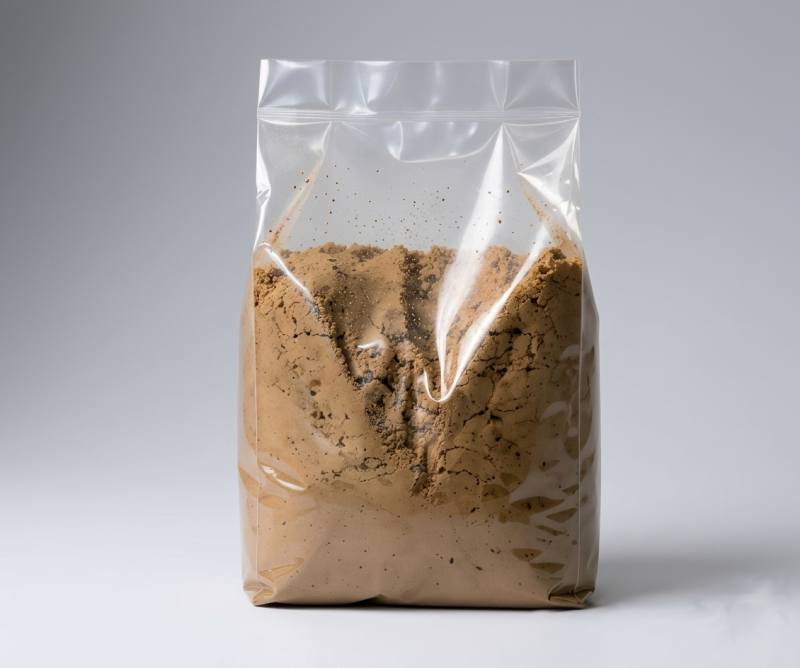
This product is a premium plastic thermal insulation material made from high‑grade bauxite aggregates, carefully graded and blended with composite binders and plasticisers. It features high refractoriness, excellent thermal insulation performance, and strong thermal shock resistance. It can be used both as a hot‑face patching material for kiln linings and as a filling material for permanent layers or insulation layers. With good plasticity, it is easy to install by ramming or trowelling without the need for on‑site mixing. Direct factory supply with customisation (particle size, packaging, consistency) available, stable quality and reliable after‑sales support.Core AdvantagesAdvantageDescriptionHigh Alumina ContentAl₂O₃ ≥ 60%, provides high refractoriness and corrosion resistanceSuperior RefractorinessRefractoriness ≥ 1790°C, suitable for ultra‑high temperature applicationsGood Thermal InsulationModerate bulk density with low thermal conductivity for effective insulationStrong Thermal Shock ResistanceWithstands rapid temperature changes without peeling or crackingExcellent PlasticityPlasticity index 15‑40%, easy to shape by ramming or trowellingAdequate StrengthCCS after drying ≥5.67MPa, strength increases further after firingVolume StabilityLinear change within ±2% after 1600°C×3h, dimensionally stable at high temperaturesReady to UseNo complex mixing required, saves construction timeWidely used for kiln lining repair, insulation layer filling, and irregular gap packing in the following high‑temperature industries:Industry / FieldSpecific Application AreasMetallurgy / SteelReheating furnace wall repair, soaking pit insulation layer, ladle cover filling, ladle permanent liningPetrochemical / ChemicalCracker furnace lining repair, reformer insulation layer, high‑temp pipe elbow fillingCeramics / GlassTunnel kiln car lining, shuttle kiln roof repair, glass melting furnace insulation layerPower / BoilersCFB boiler wall repair, flue insulation layer, hopper liningsBuilding Materials / CementRotary kiln transition zone repair, preheater cone insulation layer, cooler side wallsHeat Treatment / ForgingIndustrial resistance furnace and gas furnace lining patching and insulation fillingWhy Choose UsDirect factory supply with our own bauxite resources – stable and controlled raw materials.Over 20 years of experience in refractory manufacturing with mature processes and reliable quality.Free samples and on‑site technical guidance provided.Formulation adjustable per your specific conditions – particle size distribution, binder type, or moisture content.Complete factory test reports and product usage instructions supplied.Feel free to call for product brochures, quotations, or technical consultation.

Heat-applied filler

Heat-applied filler

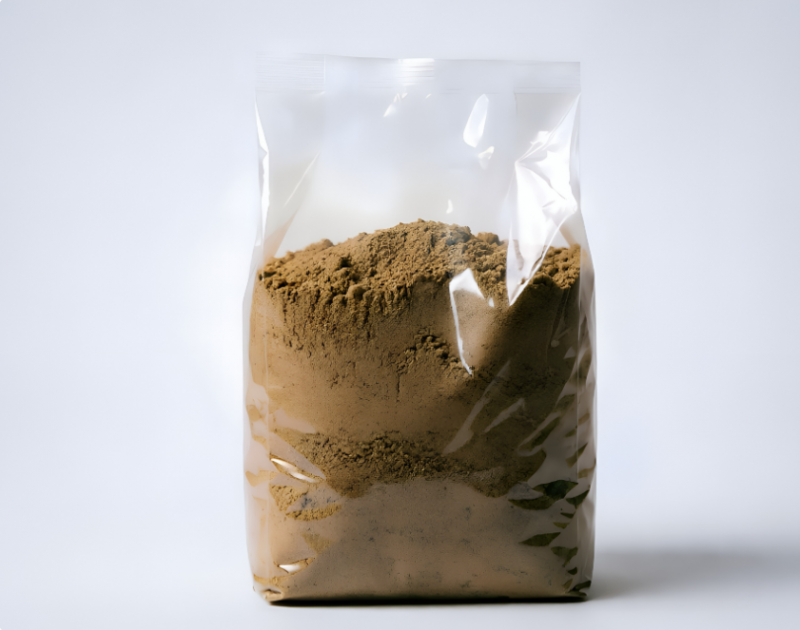
In high-temperature equipment operating continuously, such as coke ovens, hot blast stoves, and glass kilns, the furnace lining is subjected to long-term thermal shock, airflow erosion, and chemical corrosion, inevitably leading to spalling, cracking, or localized damage.Ultra-high refractoriness (1700℃) – Temperature resistance far exceeds that of ordinary repair materials, meeting the hot repair needs of most industrial kilns.High silica matrix (SiO₂ ≥ 95.4%) – Excellent resistance to acid slag erosion, excellent compatibility with silica bricks and clay bricks, and similar coefficients of thermal expansion, reducing the risk of repair layer spalling.Extremely low loss on ignition (0.08%) – Indicates minimal gas escape at high temperatures, dense sintering, low porosity, and high strength.Extremely low harmful impurities (Fe₂O₃ 0.81%, S 0.025%, C 0.072%) – Prevents the formation of low-melting-point phases at high temperatures, ensuring the stability of the repair layer during long-term service. Easy to apply – can be applied by smearing, spraying, or tamping; no complex equipment required, allowing for rapid production recovery.Recommended Applications:- Repair of cracks in coke oven carbonization chambers and furnace door frames- Repair of hot blast stove domes and checker bricks- Repair of glass melting furnace regenerator walls- Hot spraying or smearing repair of various industrial kilnsWe specialize in high-temperature refractory materials and have extensive experience in kiln maintenance. Each batch of hot-applied refractory material undergoes rigorous quality testing to ensure stable composition and reliable performance.We can also provide customized formulation suggestions based on your furnace type and operating conditions.For any inquiries, please feel free to contact us for free samples, technical data sheets, or application guidance.

Composite thermal insulation coating

Composite thermal insulation coating

For industrial equipment operating in the medium temperature range (300℃~1200℃) , heat loss through pipe walls, furnace shells, and irregular components is often overlooked — yet it directly impacts energy bills and workplace safety.Our Medium Temperature Insulation Coating is an inorganic-based high-performance thermal barrier coating designed specifically for medium-temperature conditions. With ultra-low thermal conductivity, excellent chemical stability, and easy application, it forms a dense insulating layer over any shape of substrate, effectively trapping heat, reducing surface temperature, and cutting energy waste.Typical Applications Insulation for hot air pipes, flue gas ducts Heat shielding for industrial furnace shells Localized insulation for valves, elbows, flanges Boilers, heat exchangers, reactors Energy-saving retrofits in metallurgy, petrochemicals, power generation, ceramicsWith years of experience in refractory materials, we maintain strict quality control over every batch — from chemical composition to refractoriness, thermal conductivity, and linear change testing.

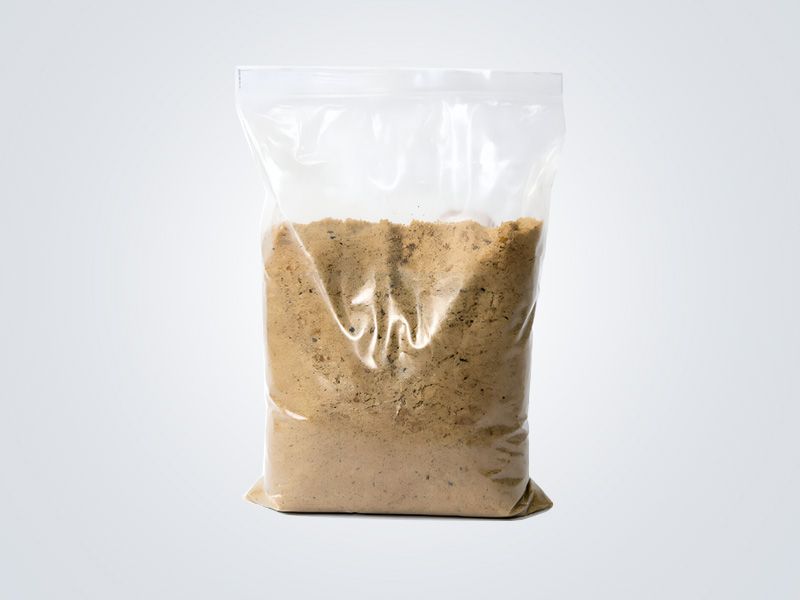
Siliceous Plastic Refractory

Siliceous Plastic Refractory

Siliceous Plastic Refractory

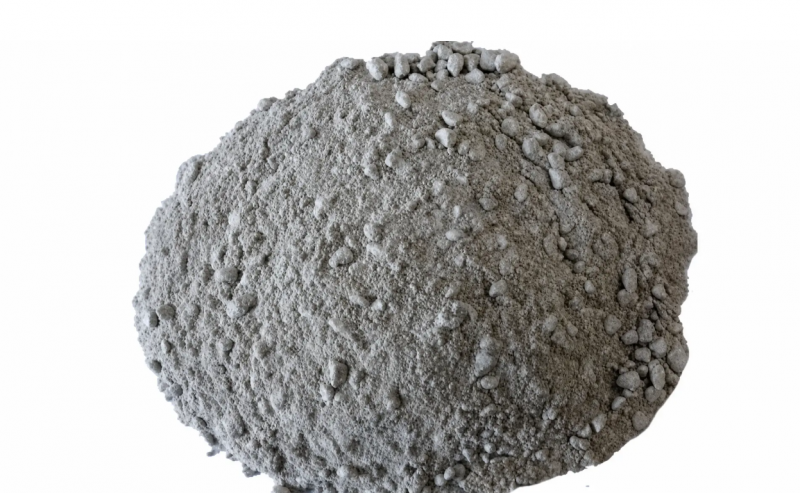
Siliceous Sealing Compound

Siliceous Sealing Compound

Siliceous Sealing Compound

Sealing Compound

Sealing Compound

Sealing Compound

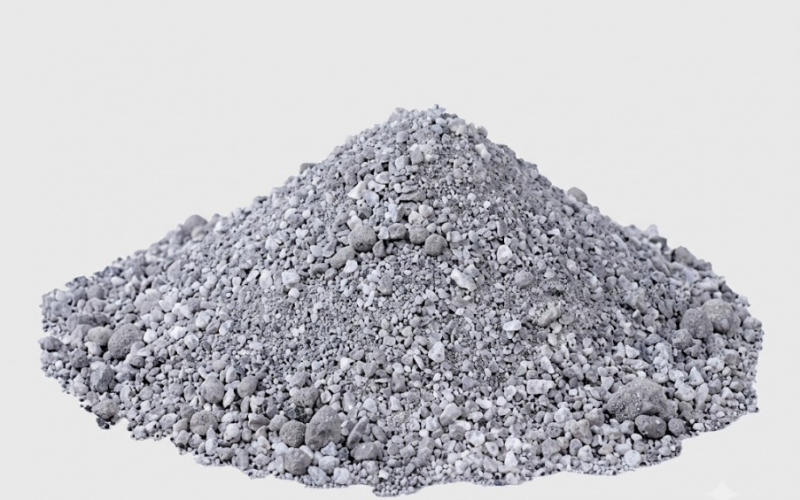
Refractory Coating Material Grade A/B/C – High-MgO Repair Mortar | Tianyi Refractory

Refractory Coating Material Grade A/B/C – High-MgO Repair Mortar | Tianyi Refractory

Refractory Coating Material – Product OverviewOur Refractory Coating Material is designed for high‑temperature protection and repair in industrial furnaces, kilns, and thermal equipment. Available in three grades (A, B, and C), it offers flexible options to match different operating conditions and performance requirements.Key FeaturesHigh MgO content – Grade A (≥82%) and Grade B (≥85%) provide excellent corrosion resistance and slag protection.Controlled impurities – Low Fe₂O₃ and CaO levels ensure stable performance at elevated temperatures.Good mechanical strength – Crushing strength up to 12 MPa (Grade B, 1500°C) for durable lining protection.Balanced linear change – Controlled shrinkage from -1.3% to -2.0% at 1500°C, reducing crack risk during thermal cycling.Versatile application – Suitable for steel, cement, glass, and power industry equipment.ApplicationsFurnace lining repair and patchingCoating for burner blocks and kiln hoodsProtection layer for steel ladles and tundishesCement kiln and glass furnace maintenanceFor custom formulations or technical support, please contact our team.

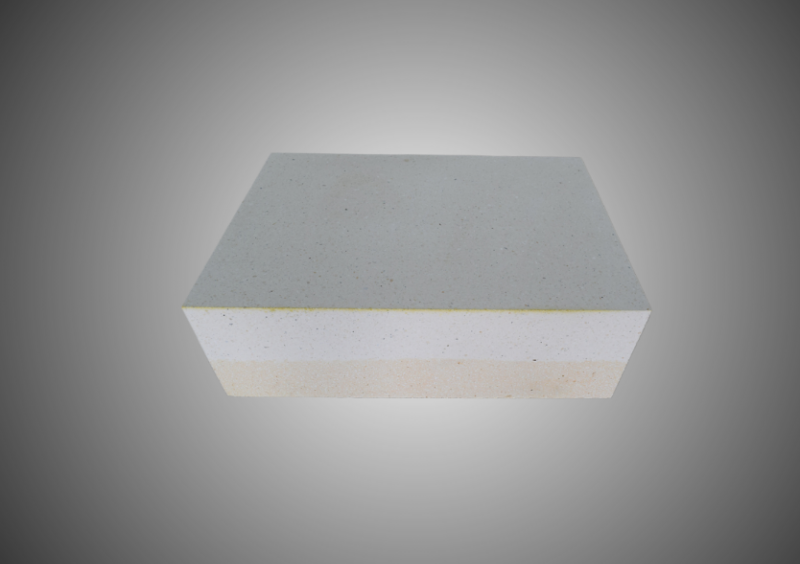
Composite clay bricks

Composite clay bricks

Composite Clay Large Brick IntroductionComposite Clay Large Brick is a large-size refractory brick manufactured from high-quality refractory clay materials through high-temperature firing. It features excellent heat resistance, thermal shock resistance, and strong mechanical strength, making it suitable for various industrial furnaces and high-temperature equipment.The composite structure design improves overall stability and service life while meeting different furnace construction requirements. Customized sizes and specifications are available according to customer needs. It is widely used in steel, cement, glass, ceramics, and chemical industries.Product Features:Stable refractory performanceExcellent thermal shock resistanceHigh mechanical strengthStrong structural stabilityCustomizable dimensions and specificationsApplications:Industrial furnacesHot blast stovesCement kilnsGlass furnacesCeramic kilnsHigh-temperature thermal equipment

Impermeable castable

Impermeable castable

Product OverviewAnti-Seepage Castable is a high-performance monolithic refractory material designed to reduce molten slag penetration, chemical corrosion, and structural degradation in high-temperature industrial furnaces. It forms a dense, low-porosity lining after installation, effectively improving furnace service life and thermal stability.It is widely used in steelmaking, non-ferrous metallurgy, cement kilns, and chemical thermal equipment where resistance to infiltration and long-term durability are critical.Key FeaturesExcellent Anti-Permeability Performance – effectively prevents slag and molten metal penetrationHigh Density Structure – low porosity, strong compactness after curingStrong Thermal Shock Resistance – stable under rapid heating and cooling cyclesSuperior Corrosion Resistance – resists chemical attack from acidic & alkaline slagsHigh Mechanical Strength – maintains structural integrity under heavy loadEasy Installation – suitable for casting, vibration molding, and on-site constructionTechnical AdvantagesCompared with conventional refractory castables, anti-seepage castable significantly reduces internal pore channels, forming a tighter matrix after sintering. This results in:Longer furnace lining lifeReduced maintenance frequencyLower energy lossImproved operational stabilityTypical ApplicationsLadles and tundish lining (steel industry)Blast furnace auxiliary areasCement rotary kiln transition zonesNon-ferrous metal smelting furnacesChemical reactors and incineratorsHigh-temperature industrial furnace walls and bottomsProduct Categories (Optional for SEO expansion)High Alumina Anti-Seepage CastableMullite-based Dense CastableLow Cement Anti-Corrosion CastableWear-resistant Anti-penetration CastableInstallation MethodMixing with clean water according to recommended ratioVibration casting or pouring into moldsNatural curing for 24–48 hoursControlled drying and heating schedule before operationWhy Choose UsAs a professional manufacturer of refractory materials, we provide:Stable raw material sourcingStrict quality control systemCustomized formulation for different kiln conditionsExport packaging and global delivery support

Application Field

Specializing in the production of glass kiln refractory thermal insulation spray coatings, sealing materials and building thermal insulation materials

Glass Industry

Glass industry

Iron & Steel Industry

Glass industry

Cement Industry

Foundry industry

Petrochemica

Petrochemical

Lime Industry

Lime Industry

Glass Industry
Glass Industry
Industry IntroductionThe glass industry is characterized by high-temperature continuous operation. During production, furnaces operate for long periods under high temperature, thermal shock and chemical corrosion, which imposes high requirements on the refractories in terms of thermal stability, corrosion resistance, thermal shock resistance and thermal insulation performance. Reasonable furnace lining structure and material selection not only affect glass quality, but also directly influence energy consumption, furnace shutdown cycles and overall production costs.Application AreasFloat glass furnacesDaily-use glass furnacesRegenerators (checker chambers)Furnace crown and side wallsChannels and forehearthsBreast walls and observation ports, and other key partsRecommended ProductsSilica bricksHigh-alumina bricksLightweight insulating bricksCeramic fiber modulesCeramic fiber blanketsRefractory castablesNano insulation materialsSolution DescriptionSilica bricks are suitable for high-temperature load-bearing and structurally stable parts of glass furnaces.High-alumina bricks are applied to local high-temperature zones and wear-resistant parts of furnaces.Ceramic fiber modules and blankets are used in insulation layers to reduce heat loss.Lightweight insulating bricks and nano insulation materials form an energy-saving structural combination, which can be fully matched according to furnace design.Project Cases1200 TPD float glass furnace project in Southeast AsiaDaily-use glass production line upgrading project in the Middle EastEnergy-saving renovation project for domestic glass furnaces
More
Iron & Steel Industry
Industry IntroductionThe iron and steel industry features harsh production environments with high temperatures, severe slag corrosion, and intense thermal shock. Refractory materials are required to have excellent slag resistance, wear resistance, thermal shock resistance, and construction adaptability.As temperature, atmosphere, and mechanical impact vary greatly across different smelting processes, materials must be configured in zones for different parts of the furnace to ensure continuous and stable production.Application AreasBlast furnace hearth, bosh, and stackHot blast stovesLadlesTundishesEAF furnace walls and roofsHeating furnaces, etc.Recommended ProductsMagnesia carbon bricksAlumina-magnesia carbon bricksCorundum castablesHigh-alumina bricksWear-resistant castablesCeramic fiber productsThermal insulation materialsProduct & Solution DescriptionMagnesia carbon bricks and alumina-magnesia carbon bricks are used in high-temperature, high-corrosion zones with excellent slag resistance.Corundum castables are suitable for high-temperature scouring parts with outstanding wear and impact resistance.High-alumina bricks are applied in medium and high-temperature load-bearing areas.Ceramic fiber products and insulation materials can be used in furnace insulation layers to reduce heat loss.Project CasesLadle lining project for a steel plant in the Middle EastRefractory project for electric arc furnaces in Southeast AsiaBlast furnace maintenance project for large domestic iron and steel enterprises
More

about us

Xinxiang Tianyi Thermal Insulation Materials Co., Ltd.

Xinxiang Tianyi Thermal Insulation Co., Ltd. is located in Henan Province, a region with a profound historical and cultural heritage, near Gaolong Line on the North Outer Ring of Huixian City, one of the birthplaces of the Chinese nation. In ancient times, Huixian was the residence of the Gonggong clan, historically known as Gongcheng, with relics still remaining to this day. A section of the Taihang Mountains, the Southern Taihang Mountains, is located in Huixian City. There are many scenic spots near the company, including Baiquan Academy (one of the four major ancient academies), Baligou, Yuntai Mountain (a 5A-level scenic area), Wanxian Mountain, Baoquan Scenic Area, hot springs and other tourist and leisure destinations.The company enjoys convenient transportation, being less than 20km away from National Highway 107 and Beijing-Hong Kong-Macao Expressway (G4). The inter-provincial Hebao Expressway and Zhengling Expressway are also less than 20km away from the company, connected by Gaolong Line, ensuring smooth travel.The company belongs to the non-metallic mineral products industry, with service areas including the research, development, production and sales of thermal insulation materials, the sales of refractory materials, and the production, sales and R&D of wall building thermal insulation materials. The company relies on Luoyang Refractory Research Institute for technology support. Its main products include refractory insulation spray coatings and sealing compounds for glass furnaces, building wall insulation materials and other products. The product performance has always been higher than similar products in the market, and the products are exported to supporting projects in Southeast Asia, West Asia and Africa. After merging with established market enterprises, the company provides services to help customers save energy, reduce consumption and increase efficiency. Especially in the glass industry, since the late 1990s, it has continuously served well-known enterprises at that time, such as Luoyang Glass and Yaohua Glass, and later Huarun Glass, which has been highly praised and recognized by customers in various industries.The company has always adhered to the tenet of "Quality First, Sincere Service". To meet the needs of market development, it insists on prioritizing science and technology, strengthens and optimizes management, constantly innovates, adjusts product structure, updates production equipment, improves production processes and enhances product quality. We will cooperate with friends from all walks of life with better products and higher credibility to seek common development and create a better tomorrow. Welcome new and old friends from all sectors to visit the company for guidance and share the joy of cooperation!

news

How to Remove Damaged Refractory Bricks from Furnace Linings

2026-08-24

Refractory bricks are widely used in the linings of high-temperature furnaces, kilns and industrial heating equipment. After long-term exposure to high temperatures, thermal shock and mechanical wear, refractory bricks may crack, spall or become severely damaged. The damaged lining must then be removed before repair or relining.1. Manual RemovalManual removal is a traditional method for removing damaged refractory bricks. After the furnace has been sufficiently cooled, workers use pneumatic picks, crowbars, hammers and other tools to break and remove the damaged bricks.This method requires relatively little equipment and is suitable for small repair areas. However, it is labor-intensive and relatively slow, with significant noise and dust during demolition.2. Mechanical RemovalMechanical demolition commonly uses hydraulic breakers or similar equipment to remove refractory linings.Compared with manual removal, mechanical equipment can significantly reduce labor intensity and improve working efficiency. However, the impact force and demolition depth must be carefully controlled. Improper operation may damage the furnace shell, furnace structure or the refractory layer that needs to be retained.3. Controlled BlastingControlled blasting may be considered for large-scale refractory lining or furnace demolition projects.The blasting plan must be professionally designed according to the furnace structure, refractory thickness and demolition area. Strict safety measures are also required.Controlled blasting can provide a short demolition period and is suitable for large-scale projects, but it involves higher technical and safety requirements and must be performed by qualified professionals.4. Comparison of Removal MethodsMethodAdvantagesDisadvantagesSuitable ApplicationsManual RemovalLow equipment cost, flexible operationSlow and labor-intensiveSmall repair areasMechanical RemovalHigher efficiency, lower labor intensityHigher equipment cost, risk of structural damageMedium and large furnace repairsControlled BlastingVery fast for large-scale demolitionHigh technical and safety requirementsLarge-scale demolitionConclusionThe appropriate refractory brick removal method should be selected according to the furnace type, lining condition, demolition area, construction schedule, equipment availability and safety requirements.Manual removal is generally suitable for small repair areas, while mechanical demolition can be considered for medium and large furnace maintenance. For large-scale demolition projects, professional engineers may evaluate whether controlled blasting is appropriate.After removing the damaged refractory bricks, the remaining lining and furnace structure should be inspected and cleaned before installing new refractory bricks or refractory castables.
More

Chrome Corundum Castable for Hazardous Waste Rotary Kilns | High-Temperature Slag Resistance

2026-08-20

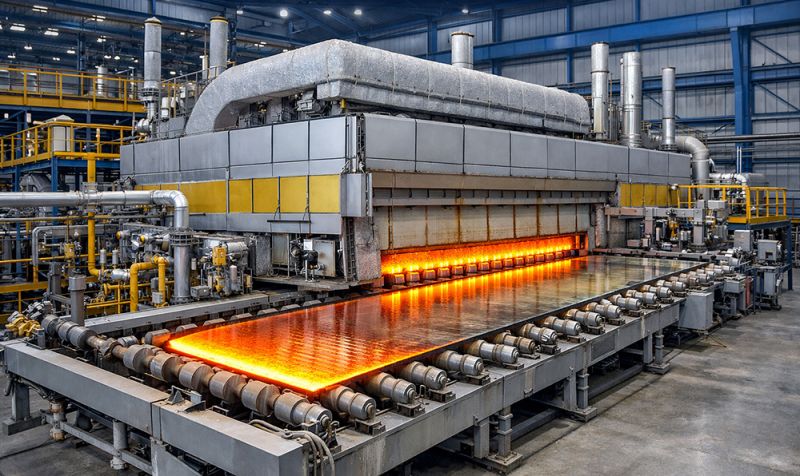
Hazardous waste incineration produces complex slags that may contain Na₂O, K₂O, CaO and other alkali or alkaline-earth oxides. These components can cause severe chemical corrosion to refractory linings. Therefore, suitable refractory materials are essential for hazardous waste rotary kilns.Common refractory materials include SiC castables, Al₂O₃-SiO₂ castables and Al₂O₃-Cr₂O₃ chrome corundum castables.SiC castables provide good slag resistance and wear resistance, but they may oxidize under high-temperature oxidizing conditions. Al₂O₃-SiO₂ castables generally have good thermal shock resistance, but Al₂O₃ and SiO₂ can react with Na₂O, K₂O and CaO in the slag, accelerating refractory corrosion.Chrome corundum castables are mainly composed of Al₂O₃ and Cr₂O₃. They offer excellent high-temperature stability, wear resistance and chemical corrosion resistance, making them suitable for severe operating conditions such as combustion zones of hazardous waste rotary kilns.Main AdvantagesExcellent slag corrosion resistanceHigh-temperature resistanceGood wear and erosion resistanceGood volume stabilitySuitable for severe hazardous waste incineration conditionsApplication ConsiderationsThe potential formation of Cr(VI) should also be considered when using chrome corundum castables in hazardous waste rotary kilns. CaO and alkali or alkaline-earth oxides in the slag may promote the oxidation of Cr(III) to Cr(VI). Therefore, the refractory formulation should be designed according to slag composition, operating temperature, furnace atmosphere and construction conditions, with proper installation and drying procedures.
More

Common Types of Castables for Incinerators

2026-08-19

Incinerator castables should be selected according to operating temperature, corrosive gases, fly ash erosion, and wear conditions. Common types include high-alumina castable, silicon carbide castable, mullite castable, lightweight insulating castable, and acid-resistant castable.1. High-Alumina CastableFeatures: Mainly made from high-alumina bauxite, corundum and other refractory materials. It offers high refractoriness, good wear resistance and high-temperature strength.Applications: Suitable for furnace chambers, flue ducts and other high-temperature areas subject to moderate wear.2. Silicon Carbide CastableFeatures: Excellent wear resistance, thermal shock resistance and corrosion resistance. It is particularly suitable for areas exposed to high-speed fly ash erosion.Applications: Commonly used in the first-pass flue of waste incinerators, waste heat boilers and other high-temperature, high-wear areas.3. Mullite CastableFeatures: Provides high-temperature strength, excellent thermal shock resistance and good stability under repeated temperature changes.Applications: Suitable for furnace walls, flue ducts and areas exposed to significant thermal stress and temperature fluctuations.4. Lightweight Insulating CastableFeatures: Low bulk density and low thermal conductivity, providing effective thermal insulation and reducing heat loss from the furnace body.Applications: Mainly used as a backup lining, insulation layer and thermal insulation material for lower-temperature flue ducts.5. Acid-Resistant CastableFeatures: Provides good resistance to acidic gases and chemical corrosion, helping improve lining durability in complex operating environments.Applications: Suitable for flue ducts and other areas exposed to corrosive gases such as HCl and SO₂.ConclusionThe selection of incinerator castables should be based on actual operating conditions. In waste incinerators with complex working environments, different castables are normally selected for different zones according to temperature, wear and corrosion conditions, improving the overall refractory, wear-resistant and corrosion-resistant performance of the lining.
More

Refractory Castables for Pulverized Coal and CFB Boilers

2026-08-18

Power plant boilers mainly include pulverized coal boilers and circulating fluidized bed (CFB) boilers. Different areas of the boiler are exposed to different temperatures, abrasion, erosion and thermal shock conditions, so suitable refractory castables should be selected according to the actual operating environment.1. Slag-Resistant Wear-Resistant CastableThis castable provides high strength, excellent abrasion resistance, erosion resistance and slag resistance.Applications: Boiler furnaces, slag coolers and areas exposed to severe abrasion, erosion and slag attack.2. Steel Fiber Wear-Resistant CastableSteel fibers are added to improve mechanical strength, impact resistance and thermal shock resistance, providing better resistance to spalling.Applications: Coal feeding openings, slag coolers, furnace areas, superheaters and cyclone separator inlets.3. Wear-Resistant Self-Flowing CastableSelf-flowing castables have excellent flowability and can fill complicated structures and narrow areas with minimal vibration.Applications: Membrane walls, inertial separators, corners and areas where vibration casting is difficult.4. Thermal Shock Resistant CastableThis type of castable provides high refractoriness, strength and thermal shock resistance, making it suitable for areas with frequent temperature fluctuations.Applications: Ignition air ducts, water-cooled air chambers and other areas subject to rapid temperature changes.5. High-Strength High-Alumina CastableHigh-alumina castables offer high strength, abrasion resistance, impact resistance, penetration resistance and corrosion resistance.Applications: Boiler arches, roofs, rear walls and other high-temperature areas.6. Corundum-Mullite Wear-Resistant CastableBased mainly on corundum and mullite, this castable provides high strength, excellent wear resistance, high-temperature performance and good thermal shock resistance.Applications: Boiler furnaces and other high-temperature, highly abrasive areas.Common Application AreasRefractory linings in CFB boilers are exposed to intense particle circulation and abrasion. Common application areas include:Boiler furnace and dense-phase zoneCoal feeding openingsReturn feedersCyclone separatorsSlag coolersIgnition air ductsWater-cooled air chambersBoiler roofs and wallsSuperheaters and other highly erosive areasSelection ConsiderationsRefractory castables should not be selected based only on service temperature. Abrasion, erosion, thermal shock, slag corrosion, construction method and equipment structure should also be considered.For CFB boilers, particular attention should be paid to abrasion resistance, high-temperature strength, thermal shock resistance and erosion resistance.
More
Home PRODUCTS 电话 TOP