咨询热线:18906399575
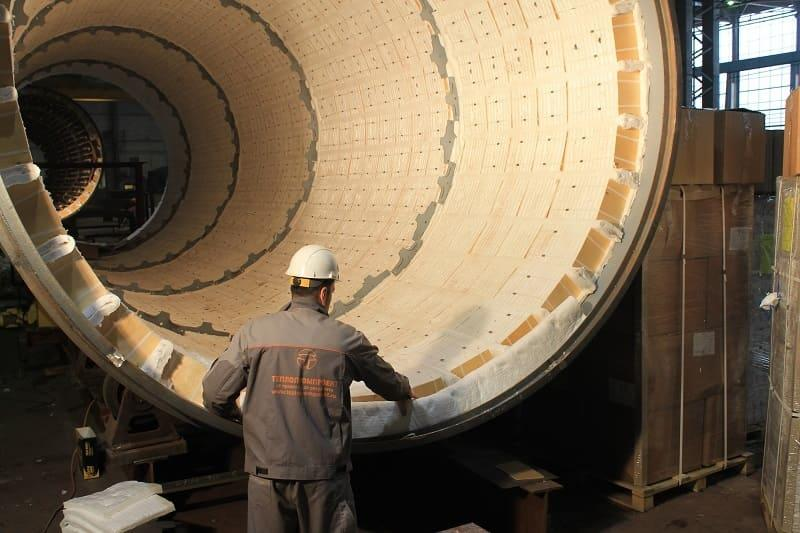
Industrial kilns operate under high-temperature conditions for long periods. The temperature of the kiln shell or equipment outer wall is an important indicator of insulation performance.However, some plants find that the outer wall remains locally hot even after adding or replacing insulation materials.This does not necessarily mean that the insulation material itself is defective. The final insulation performance can also be affected by structural design, material combination, installation quality, joints, and operating conditions.1. Thicker Insulation Is Not Always BetterA typical industrial kiln thermal structure consists of refractory lining, insulation layer, and sealing layer.The refractory lining withstands high temperature, gases, and material impact. The insulation layer reduces heat transfer to the outside. The sealing layer helps prevent hot gas leakage through cracks, gaps, and connections.Therefore, each layer should be designed according to its specific function rather than simply increasing the insulation thickness.2. Why Does Localized High Temperature Still Occur?Insulation gaps or missing areasVibration, thermal cycling, and structural movement may cause insulation to loosen, collapse, or become locally damaged. These areas can become thermal bridges and create localized hot spots.Poorly treated jointsLarge or cracked joints between insulation bricks or fiber products can create paths for concentrated heat transfer. Special attention should be paid to kiln roofs, wall connections, flanges, elbows, and other complex areas.Hot gas leakageSometimes high outer-wall temperature is caused by hot gas escaping through cracks, openings, or weak sealing points rather than simple heat conduction.If there is smoke, flame leakage, discoloration, or abnormal temperature around sealing areas, the refractory and sealing structure should be inspected.3. Refractory Damage Can Also Increase Outer-Wall TemperatureThe refractory lining and insulation layer perform different functions but are closely related.If the refractory lining becomes thinner, cracked, or locally detached, the thermal conditions of the insulation layer may change, resulting in higher outer-wall temperatures.When investigating a hot spot, it is therefore important to check:Refractory lining conditionInsulation integrityJoint conditionPossible hot gas leakageKiln shell deformationRelationship between the hot spot and internal kiln structure4. Different Areas Require Different Insulation SolutionsLarge flat kiln walls can generally use insulation bricks, ceramic fiber products, or other suitable insulation materials.For pipes, elbows, flanges, valves, and equipment connections, complex geometries can make conventional insulation installation more difficult and may create additional joints.Depending on the operating temperature and surface condition, high-temperature insulation coatings or other suitable insulation materials can be considered for these areas.Xinxiang Tianyi supplies high-temperature insulation coatings, lightweight insulation bricks, ceramic fiber products, refractory materials, and sealing materials for different industrial applications.5. Do Not Simply Add More Insulation When a Hot Spot AppearsWhen abnormal temperature is detected, the first step should be to identify the location, size, and trend of the hot area.For example:Hot spot + missing insulation: inspect the insulation structure.Hot spot + cracks: inspect the refractory and sealing layers.High temperature around flanges or elbows: check insulation continuity.High temperature + smoke or gas leakage: investigate possible hot gas escape.Identifying the actual heat-transfer path makes it possible to select a more appropriate repair solution.ConclusionA high outer-wall temperature after insulation does not necessarily mean that the insulation material is inadequate.Material selection, thermal structure, installation quality, joints, refractory condition, and hot gas leakage can all affect the final insulation performance.For operating industrial kilns, it is better to identify the cause of heat loss first and then select suitable refractory, insulation, or sealing materials according to the actual operating conditions.Xinxiang Tianyi Insulation Materials Co., Ltd. provides refractory bricks, refractory castables, insulation materials, high-temperature insulation coatings, refractory mortars, sealing materials, and plastics for industrial applications in glass, steel, cement, petrochemical, lime, and other high-temperature industries.
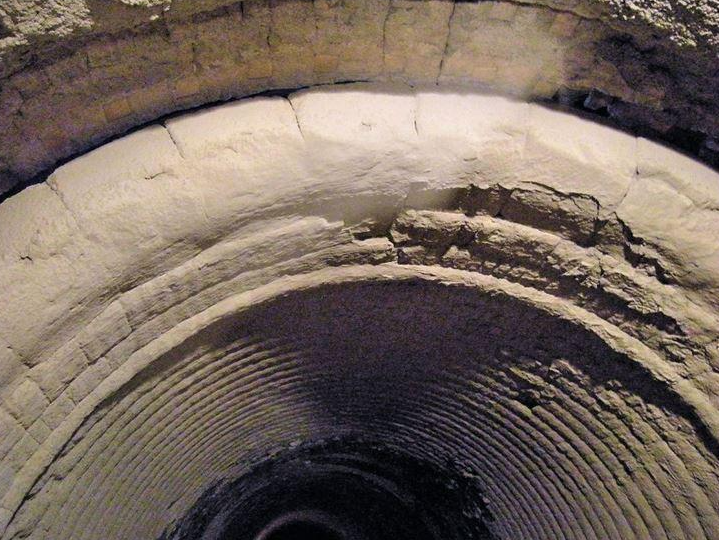
How to Select Refractory Materials for the Cooling Zone of a Lime Kiln? Common Damage Causes and Maintenance MethodsThe cooling zone is an important thermal section of a lime kiln. After high-temperature calcination, hot lime enters the cooling zone and exchanges heat with cooling air.Although the operating temperature of the cooling zone is generally lower than that of the firing zone, its refractory lining still experiences mechanical impact, material abrasion, airflow erosion and temperature fluctuations. Improper material selection or construction may result in wear, cracking, spalling and increased heat loss.1. Why Does Refractory Damage Occur in the Cooling Zone?Hot Lime AbrasionHot lime continuously moves and falls through the cooling zone. Direct impact and friction can gradually wear the refractory surface, especially in areas with concentrated material flow.Temperature FluctuationsCooling air creates temperature differences inside the kiln. Start-up, shutdown, production changes and airflow adjustments can increase thermal fluctuations. Refractories with insufficient thermal shock resistance may develop cracks and spalling.Dust ErosionLime dust carried by airflow can continuously erode the refractory lining. Areas with high airflow velocity or changes in airflow direction may experience more concentrated wear.Localized Structural WearDischarge outlets, air channels, transition sections and changes in cross-section can experience stronger material or airflow erosion. These areas may require special refractory selection.Construction and Structural ProblemsLoose substrates, inadequate anchoring, excessive mixing water, insufficient vibration and improper dry-out can all contribute to premature cracking or spalling.2. What Problems Can Damaged Refractories Cause?Long-term refractory wear or spalling may result in:Reduced refractory thickness;Increased heat loss through the kiln shell;Higher local shell temperatures;Changes in heat exchange conditions;More frequent refractory repairs;Increased maintenance and shutdown requirements.Regular inspection and timely maintenance can help prevent local damage from developing into larger problems.3. How Should Refractory Materials Be Selected?Consider Material AbrasionAreas directly exposed to hot lime should prioritize wear resistance, impact resistance and mechanical strength.Consider Thermal Shock ResistanceThe cooling zone still experiences significant temperature gradients. Material selection should therefore consider not only service temperature but also thermal shock resistance and long-term stability.Use Zone-Based Material SelectionDifferent sections may require different refractory solutions:Direct material impact areas: wear resistance and impact resistance.Near airflow channels: resistance to airflow erosion and temperature fluctuations.Discharge areas: resistance to impact from falling hot lime.Outer insulation areas: thermal insulation performance and structural stability.Zone-based material selection is generally more suitable than using exactly the same material throughout the entire cooling zone.4. What Refractory and Insulation Materials Can Be Used?High-Alumina Refractory CastableHigh-alumina castables provide good high-temperature performance and mechanical strength. Depending on the actual operating conditions, they can be used in selected areas of the cooling zone.Wear-Resistant CastableWear-resistant castables can be considered for areas exposed to significant abrasion from lime lumps and dust. Wear resistance, thermal shock resistance and bonding with the existing lining should be evaluated.Lightweight Insulation BricksLightweight insulation bricks can be used as part of the insulation layer in areas that are not directly exposed to strong mechanical abrasion. They normally require protection from direct material impact.Ceramic Fiber ProductsCeramic fiber blankets and modules are lightweight and relatively easy to install. Depending on temperature and structural conditions, they can be considered for selected insulation applications.Refractory Mortar and High-Temperature SealantsRefractory mortar and high-temperature sealing materials can be used for joints, gaps, connection areas and localized repairs. They should not, however, be regarded as substitutes for a complete refractory working lining.5. Key Construction ConsiderationsBefore installation, the existing lining and substrate should be inspected for loose materials, cracks, voids, damaged anchors and insulation loss.During castable installation, the specified mixing water, mixing procedure, vibration and forming process should be strictly controlled.For monolithic refractory linings, suitable anchoring should be designed according to the kiln structure while considering the different thermal expansion characteristics of metal and refractory materials.After installation, proper curing and controlled dry-out are also important. Excessively rapid heating may cause internal moisture to vaporize quickly, resulting in cracking, swelling or localized damage.6. How Should Damaged Refractories Be Maintained?Maintenance should begin by identifying both the location and form of damage.For surface wear, inspect material flow and refractory wear resistance.For cracking and spalling, investigate thermal shock, material shrinkage, construction quality and structural constraints.For abnormally high shell temperature, inspect the refractory and insulation layers for missing sections, cracks or voids.Small areas of wear or localized spalling can usually be repaired during scheduled maintenance.If the same location repeatedly fails, simply replacing the material with the same product may not solve the problem. The following factors should be evaluated together:Damage location → Material movement → Temperature changes → Material properties → Construction method → Structural designConclusionAlthough the cooling zone of a lime kiln generally operates at a lower temperature than the firing zone, its refractory lining is still exposed to hot lime, mechanical abrasion, cooling air, temperature fluctuations and equipment vibration.Therefore, refractory selection should not be based solely on service temperature. Material movement, abrasion level, thermal shock conditions and kiln structure should also be considered.High-alumina castables or wear-resistant castables may be considered for areas directly exposed to hot lime, while lightweight insulation bricks and ceramic fiber products can be used in suitable areas that are not directly exposed to severe abrasion.Xinxiang Tianyi Insulation Materials Co., Ltd. provides refractory castables, refractory bricks, lightweight insulation bricks, ceramic fiber products, refractory mortar and high-temperature sealing materials. We can also communicate with customers regarding material selection according to kiln structure, operating conditions and maintenance requirements, providing refractory and insulation material solutions for lime kilns and other industrial furnaces.
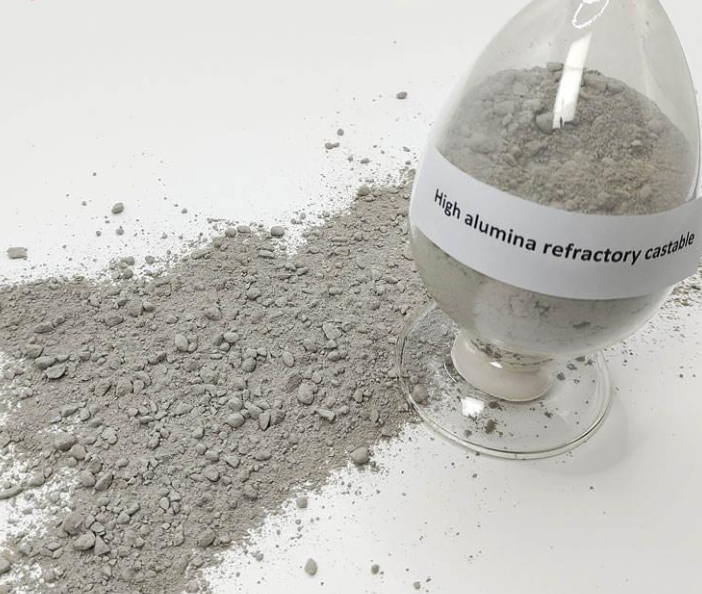
1. What Is High-Alumina Refractory Castable?High-alumina refractory castable is an unshaped refractory material mainly made from high-alumina refractory raw materials. Its typical components include high-alumina clinker, corundum or other high-alumina aggregates, together with fine powders, binders and appropriate additives.Unlike refractory bricks, castables can be installed directly at the jobsite and formed according to the shape of the equipment. This makes them suitable for complex structures, irregular sections and local repair work.The performance of a high-alumina castable is not determined only by its alumina content. Raw material quality, particle size distribution, bonding system, installation method, curing and dry-out conditions can also have a significant influence on service performance.2. Main Characteristics of High-Alumina Refractory CastableHigh-alumina refractory castables generally offer good high-temperature performance and mechanical strength. Depending on operating conditions, they can be designed as conventional, low-cement, wear-resistant or reinforced castables.Their main characteristics include:1. Good High-Temperature PerformanceHigh-alumina raw materials provide good refractory performance, making these castables suitable for various high-temperature industrial equipment and thermal systems.2. Good Mechanical StrengthWith proper formulation, installation and curing, high-alumina castables can form a relatively dense refractory structure with suitable compressive and flexural strength.3. Flexible Performance DesignThe aggregates, fine powders, binders and additives can be adjusted according to requirements such as wear resistance, thermal shock resistance, low cement content and high strength.4. Suitable for Complex StructuresCastables can be installed using formwork according to the shape of the equipment. They are therefore suitable for complex sections such as furnace doors, ducts, pipes, cyclone separators and kiln hoods.3. Common Types of High-Alumina Refractory CastablesHigh-alumina refractory castables can be classified into different types according to their bonding systems and performance requirements.Conventional High-Alumina CastableConventional high-alumina castables provide good refractory performance and basic mechanical strength. They are suitable for general high-temperature equipment and areas without extremely high wear requirements.Low-Cement High-Alumina CastableLow-cement castables use a reduced amount of cement binder and optimized particle grading and bonding systems. They can provide relatively low porosity and good density and are often used where higher strength, wear resistance and overall performance are required.Wear-Resistant High-Alumina CastableWear-resistant castables are designed for areas exposed to high-speed material flow, particle abrasion or mechanical impact. Typical applications include cement plants, boilers, industrial furnaces and material-handling systems.Steel-Fiber-Reinforced CastableA suitable amount of heat-resistant steel fiber can be added to improve crack resistance and resistance to mechanical impact. These castables are commonly used in areas exposed to mechanical impact or thermal shock.4. How to Select High-Alumina Castable?When selecting a high-alumina refractory castable, it is important not to consider only the product name or alumina content. The actual operating conditions of the equipment should be evaluated.First, the operating temperature and temperature fluctuations should be considered. The degree of material abrasion, mechanical wear and chemical attack inside the equipment should also be assessed.The installation method is another important factor. Large-area casting, local repair, pumping and manual installation may require different flowability, setting time and construction characteristics.For equipment operating continuously, attention should also be given to dimensional stability, thermal shock resistance, wear resistance, curing and dry-out conditions.Therefore, refractory selection should generally consider the equipment type, operating temperature, wear conditions, service environment, structural design and installation requirements.5. Main Applications of High-Alumina Refractory CastablesDue to their good high-temperature and mechanical properties, high-alumina castables are widely used in various industries.Cement IndustryThey can be used in areas such as cement rotary kiln outlets, kiln hoods, tertiary air ducts, selected areas of preheaters and other sections requiring high-temperature and wear-resistant refractory linings.Steel IndustryApplications include heating furnaces, steel ladles, hot-metal ladles and selected refractory lining or repair areas of high-temperature equipment.Power IndustryThey can be used in circulating fluidized bed boilers, coal-fired boilers, ducts, cyclone separators and other areas exposed to high temperatures and abrasion.Petrochemical IndustryHigh-alumina castables may be used in selected industrial furnaces, heaters, flue gas systems and other high-temperature equipment, depending on the operating environment and chemical conditions.Other Industrial FurnacesApplications can also include lime kilns, incinerators, metallurgical furnaces, heat-treatment furnaces and other industrial high-temperature equipment.It should be noted that operating conditions can vary significantly between different equipment and sections. The same high-alumina castable is not necessarily suitable for every application. Material selection should therefore be based on temperature, wear, chemical attack and installation conditions.6. ConclusionHigh-alumina refractory castable is a widely used type of unshaped refractory material. By adjusting raw materials, particle grading and bonding systems, different products can be developed, including conventional, low-cement, wear-resistant and steel-fiber-reinforced castables.In practical applications, refractory selection should not be based only on alumina content or rated refractoriness. Equipment structure, operating temperature, wear conditions, chemical environment and installation requirements should all be considered.For cement, steel, power, petrochemical and other industrial furnace applications, selecting a refractory castable that matches the actual operating conditions can help provide a more stable refractory lining.TIANYI REFRACTORY MATERIALS CO., LTD.TIANYI REFRACTORY MATERIALS CO., LTD. provides high-alumina refractory castables, low-cement castables, wear-resistant castables, steel-fiber-reinforced castables, refractory bricks and thermal insulation materials for industrial furnace and high-temperature equipment applications.Different refractory materials can be selected and customized according to equipment structure, operating temperature, wear conditions and installation requirements.
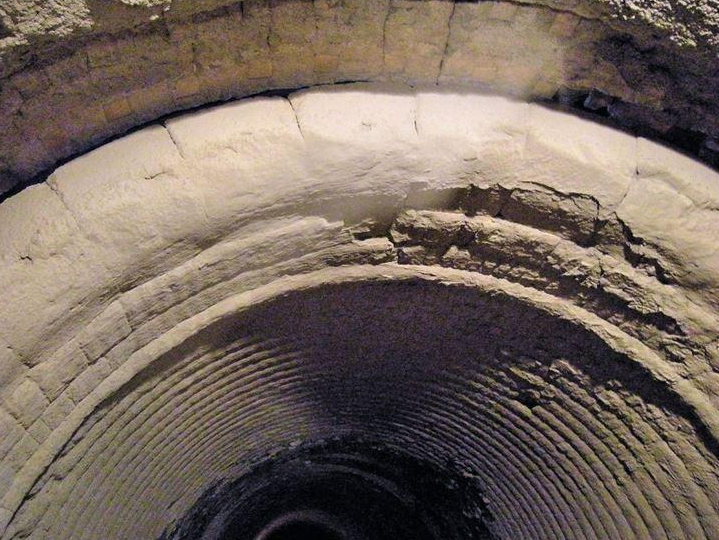
In cement clinker production, the tertiary air duct plays an important role in transporting high-temperature air. During long-term operation, its refractory lining is exposed to high-temperature airflow, dust erosion, temperature fluctuations and local mechanical stress.Therefore, the selection of refractory materials for a tertiary air duct should not be based only on the refractoriness of the material. Operating temperature, airflow velocity, dust concentration, wear conditions, structural design and construction quality should also be considered.1. Common Causes of Refractory Lining Damage1. High-Temperature Airflow and Dust ErosionHigh-temperature airflow continuously passes through the tertiary air duct, and the airflow may contain dust and solid particles.Over time, these particles can continuously erode the surface of the refractory lining. Elbows, reducers, connections and areas where the airflow direction changes may experience more severe local erosion.If the wear resistance of the refractory material is insufficient, the lining may gradually become thinner and eventually develop local damage or spalling.2. Thermal Stress Caused by Temperature ChangesDuring kiln start-up, shutdown and operating-condition adjustments, the tertiary air duct may experience repeated temperature changes.If the refractory material has insufficient thermal shock resistance, repeated heating and cooling can generate thermal stress inside the lining. Microcracks may gradually develop and eventually result in cracking or spalling.3. Local Stress at Structural ChangesTertiary air ducts commonly include elbows, tees, expansion joints, inspection openings and sections with different cross-sections.These areas have relatively complex structures and may be exposed to different types of mechanical stress. Improper refractory selection, lining thickness or anchoring design can increase the risk of local cracking and detachment.4. Construction and Drying QualityThe performance of refractory castables depends not only on the material itself but also on installation quality.For example:Excessive mixing water;Insufficient mixing;Inadequate vibration;Improper anchoring;Insufficient curing;Excessively rapid heating during drying.These problems may create internal pores or structural defects and reduce the overall stability of the refractory lining.2. How to Select Refractory Materials for Different Areas?Different sections of a tertiary air duct have different operating conditions. Therefore, using exactly the same refractory material throughout the entire duct may not always be appropriate.1. Straight SectionsStraight sections are generally affected by high-temperature airflow and dust erosion.Depending on the actual operating temperature and wear conditions, high alumina refractory castables or wear-resistant castables can be considered.For areas exposed to significant erosion, attention should be paid to wear resistance, dimensional stability and thermal shock resistance.2. Elbows and Airflow Direction ChangesElbows may experience stronger particle erosion because of changes in airflow direction.For these areas, wear resistance and thermal shock resistance are particularly important.Depending on the specific operating conditions, high alumina wear-resistant castables, steel fiber reinforced castables or other suitable monolithic refractory materials may be considered.3. Connections and Complex Structural AreasFor tees, reducers, inspection openings and other complex sections, the compatibility between the refractory lining and the equipment structure should be carefully considered.If the lining is exposed to significant mechanical stress, material selection should be combined with anchoring design, lining thickness and shrinkage characteristics rather than simply selecting a material with a higher temperature rating.4. Local Repair AreasWhen local wear or spalling has already occurred, the damaged section can be repaired according to the actual condition.In addition to temperature and wear resistance, repair materials should also provide suitable workability and good compatibility with the existing lining.3. How to Reduce Damage to the Tertiary Air Duct Refractory Lining?In addition to proper material selection, installation and maintenance are also important.First, refractory materials should be selected according to the actual conditions of different sections of the tertiary air duct rather than applying exactly the same material everywhere.Second, the amount of mixing water, mixing process, vibration and curing should be strictly controlled during castable installation. After construction, controlled drying and heating should be carried out according to the material requirements to reduce excessive thermal stress.During operation, the external surface temperature of the tertiary air duct can be inspected periodically. If abnormal hot spots, cracks or refractory material loss are detected, the internal lining should be inspected as soon as possible.For locations where refractory damage repeatedly occurs, the root cause should also be investigated, including airflow erosion, structural deformation, anchoring design and construction quality, instead of simply replacing the same material repeatedly.4. ConclusionDamage to the refractory lining of a cement rotary kiln tertiary air duct is usually caused by a combination of factors, including high-temperature airflow, dust erosion, temperature fluctuations, structural stress and construction quality.Therefore, refractory material selection should be based on actual operating conditions. High alumina castables, wear-resistant castables, steel fiber castables and other monolithic refractories can be selected according to the temperature, wear conditions and structural characteristics of different areas.Proper material selection, standardized installation and regular inspection can help reduce the risk of severe wear, cracking and spalling and provide more reliable refractory protection for stable cement production.
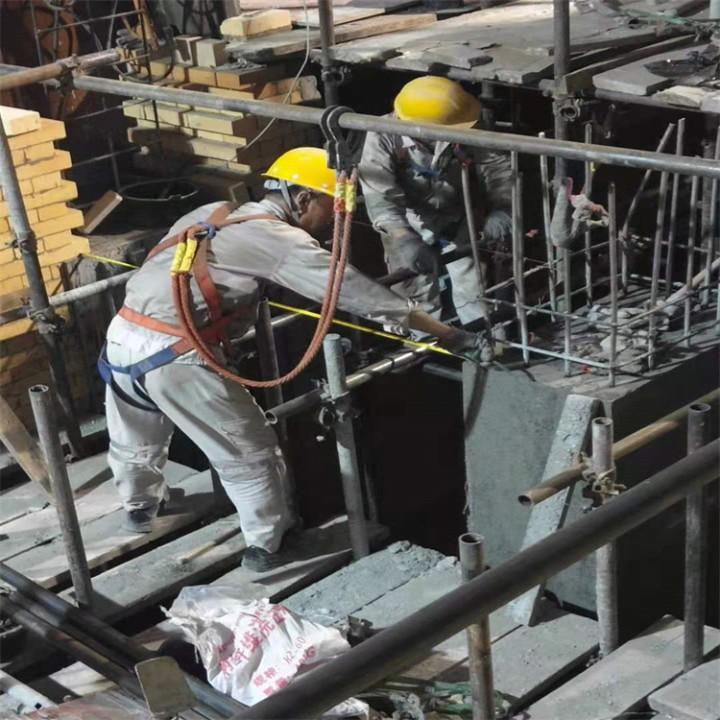
Circulating fluidized bed (CFB) boiler cyclone separators continuously handle high-temperature flue gas containing large amounts of ash and circulating particles. The refractory lining must withstand high temperature, high-speed particle erosion, thermal shock and mechanical stress.If the refractory material, construction method or maintenance plan is unsuitable, problems such as wear, cracking, spalling and local detachment may occur.Therefore, refractory selection should not be based only on refractoriness. Wear resistance, thermal shock resistance, volume stability and construction conditions should also be considered.1. Common Causes of Refractory DamageHigh-Speed Particle ErosionCirculating materials, ash and unburned particles continuously impact the refractory lining with the high-speed gas flow. The inlet, flow-turning areas, lower cylinder section, cone and return-material channel are usually more susceptible to wear.Thermal ShockBoiler start-up, shutdown, load changes and fuel adjustments can cause temperature fluctuations. Repeated expansion and contraction may lead to cracking and spalling when the refractory has insufficient thermal shock resistance.Stress at Structural ConnectionsA cyclone separator contains different sections such as the cylinder, cone, inlet, return-material outlet and inspection openings. Differences in heating and thermal expansion can create stress concentrations, especially at material joints.Improper Anchoring and ConstructionThe quality and arrangement of anchors, mixing water, compaction, curing and dry-out all affect refractory performance. Poor construction may result in low strength, cracks, voids and premature wear.2. How to Select the Right Refractory Material?Different areas of the cyclone separator should be considered separately.Inlet area: Focus on wear resistance, erosion resistance and thermal shock resistance.Cylinder wall: Consider wear resistance, strength and volume stability.Cone section: Pay attention to particle erosion, flow changes and construction density.Return-material channel: Select materials according to particle characteristics, circulation rate and actual wear conditions.Inspection openings and connections: Consider workability, repair convenience and joint treatment.Common options include high-alumina refractory castables, wear-resistant castables, plastic refractories, ramming materials and high-temperature sealing materials.The specific grade should be selected according to operating temperature, wear intensity, flue gas composition, equipment structure and installation conditions.3. Important Points During InstallationBefore installation, the steel shell, anchors and substrate should be carefully inspected and cleaned.During castable installation, the water addition must be strictly controlled to achieve adequate density and avoid voids, segregation and weak areas. Special attention should be paid to complicated sections such as inlet corners, cone transitions and return-material outlets.After installation, proper curing and dry-out are essential. Excessively rapid heating can cause internal moisture to vaporize rapidly, resulting in cracks, bulging or even explosive spalling.4. How to Reduce Maintenance Frequency?During shutdown inspections, check the inlet, cylinder, cone, return-material channel and inspection openings for wear, cracks, hollow areas, spalling and abnormal hot spots.If the same area repeatedly fails, simply replacing the refractory may not solve the problem. Particle flow, material circulation, particle characteristics, local erosion and anchor conditions should also be investigated.For high-wear areas, local reinforcement and zoned refractory design can be considered while maintaining proper compatibility between new and surrounding materials.ConclusionThe refractory lining of a CFB boiler cyclone separator operates under severe high-temperature and particle-erosion conditions. Material selection should consider wear resistance, thermal shock resistance, volume stability, construction method and actual operating conditions.Xinxiang Tianyi Insulation Materials Co., Ltd. supplies high-alumina refractory castables, wear-resistant materials, plastic refractories, refractory mortar, high-temperature sealing materials and insulation products. We can also provide technical communication and material selection support according to different boiler sections and operating conditions.
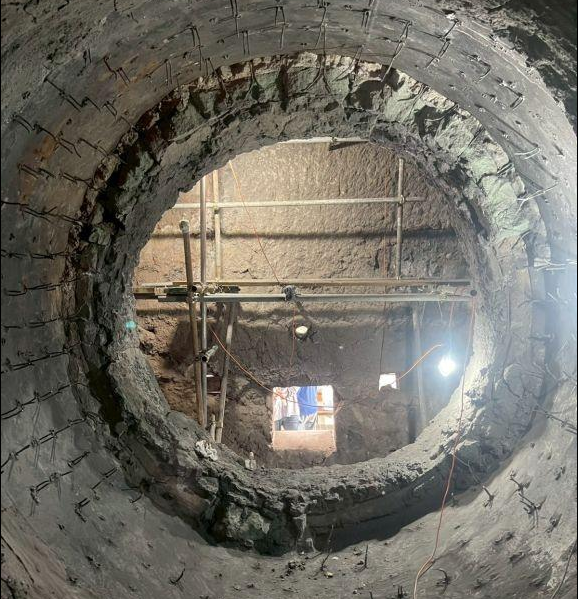
The outlet of a cement rotary kiln is a critical area where clinker leaves the kiln and enters the cooler. It is also one of the areas where refractory materials can experience relatively severe damage.Compared with some more stable high-temperature zones inside the kiln, the kiln outlet is exposed to several combined stresses, including high temperature, thermal cycling, clinker impact, abrasion and mechanical vibration.As a result, refractory castable at the kiln outlet may suffer from cracking, spalling, abrasion and local detachment during operation.In practice, the service life of kiln-outlet refractory castable is not determined simply by its maximum refractoriness. Actual operating conditions, material selection, installation quality and maintenance practices all have an important influence.1. Why Does Refractory Castable at the Kiln Outlet Fail Easily?Thermal stress caused by temperature fluctuationsThe kiln outlet can experience significant temperature changes during operation.Temperature variations may occur during kiln start-up, shutdown, process adjustments and local cooling. The surface and interior of the castable may heat up and cool down at different rates, creating thermal stress inside the refractory lining.Repeated thermal cycling can gradually enlarge small cracks and eventually lead to:Surface crackingNetwork crackingLocal crackingThrough-crackingBlock or layer spallingTherefore, refractory castable used in this area needs not only high-temperature resistance, but also good thermal-shock and thermal-cycling resistance.Continuous clinker impact and abrasionHot clinker continuously passes through the kiln outlet. The movement of high-temperature granular material can cause continuous mechanical abrasion of the refractory lining.In areas directly exposed to clinker flow, insufficient wear resistance can gradually cause:Surface abrasion → reduction in lining thickness → exposure of reinforcement or anchors → local structural damage.Therefore, material selection should consider not only Al₂O₃ content and refractoriness, but also abrasion resistance, volume stability and mechanical strength.Mechanical vibrationA rotary kiln is continuously rotating equipment and inevitably produces mechanical vibration during operation.If the castable does not bond properly with the substrate, or if the anchoring system and installation are not properly designed, long-term vibration combined with thermal cycling can cause the refractory lining to loosen.Once cracks have developed, mechanical vibration can accelerate crack propagation and eventually cause spalling.Installation qualityEven a high-performance refractory castable can fail prematurely if installation is not properly controlled.Common problems include:Excessive mixing waterInadequate mixingUneven vibrationInternal voidsImproper anchor installationExcessively rapid heatingInsufficient curingToo much mixing water may increase porosity after hardening and affect the strength and wear resistance of the castable.Therefore, the actual performance of kiln-outlet refractory lining depends on a combination of material quality, installation quality and heating/drying procedures.2. Three Common Failure ModesCrackingCracking is one of the most common problems.Possible causes include thermal stress, temperature fluctuations, material shrinkage and improper installation.Minor cracks should be monitored according to their condition. Deeper or through-cracks require further inspection because they may indicate a risk of spalling.SpallingWhen cracks continue to develop or the castable loses its bond with the substrate, pieces of refractory may detach from the lining.Once spalling occurs, the local lining becomes thinner and the damaged area may expand rapidly under high temperature and mechanical abrasion.AbrasionContinuous contact with hot clinker and granular material can cause progressive wear.Even when there are no obvious cracks, severe abrasion may gradually reduce the refractory thickness and compromise the protection of the kiln shell and other structures.Therefore, inspection should include not only cracks but also lining thickness and local wear.3. How Should Ordinary, High-Alumina and Low-Cement Castables Be Selected?The highest refractoriness does not necessarily mean the best choice for a kiln outlet.Material selection should be based on the actual operating conditions.Ordinary refractory castableOrdinary castables may be suitable for areas with relatively moderate temperature and abrasion requirements.For stable operating conditions and areas with limited clinker impact, an appropriate grade can be selected according to the actual design.For areas directly exposed to clinker flow, however, greater attention should be paid to abrasion resistance and thermal-shock resistance.High-alumina castableHigh-alumina castables generally provide good high-temperature performance and mechanical strength and can be used in selected high-temperature and wear-resistant areas of cement production equipment.For kiln-outlet applications, the appropriate grade should be selected according to temperature, abrasion conditions and installation requirements.Important factors include:Al₂O₃ contentCold crushing strengthFlexural strengthAbrasion resistanceThermal-shock resistanceVolume stabilityActual operating temperatureLow-cement castableLow-cement castables generally have lower CaO content and can form a relatively dense refractory structure.They may be considered for areas requiring higher strength, wear resistance and high-temperature stability.However, low-cement castables usually require stricter installation control, especially regarding water addition, mixing, vibration, curing and heating.4. How Can the Service Life Be Extended?Select the material according to actual operating conditionsBefore selecting a refractory material, it is important to understand:Operating temperatureClinker temperatureMaterial abrasionKiln-outlet structureTemperature fluctuationsMaintenance methodExisting refractory failure patternMaterial selection should be based on these conditions rather than maximum refractoriness alone.Control water additionThe amount of mixing water should be controlled according to the manufacturer's technical requirements.Excessive water may increase porosity, while insufficient water may affect workability and forming quality.Ensure proper vibration and formingThe castable should be properly compacted during installation while avoiding excessive vibration.Voids, segregation and poorly compacted areas can become starting points for cracking and spalling during operation.Pay attention to curing and dry-outThe newly installed castable should not immediately be exposed to full operating temperature.Proper curing and a controlled heating schedule help remove internal moisture gradually and reduce the risk of cracking or explosive spalling caused by excessively rapid heating.Inspect and repair damage at an early stageWhen early cracking or local wear is detected, the condition should be evaluated promptly.Localized damage can often be repaired with an appropriate repair material depending on the actual site conditions.For extensive spalling or significant lining loss, timely repair during scheduled maintenance can help prevent a small refractory problem from developing into a larger shutdown issue.5. What Should Be Considered During Kiln-Outlet Refractory Repair?Refractory maintenance should not focus only on which material to replace. The root cause of the failure should also be identified.If the original castable failed mainly because of thermal shock, simply replacing it with the same material may not solve the problem.If clinker abrasion is the primary cause, wear resistance should receive greater attention.If installation defects caused premature failure, changing the material without improving the installation process may lead to similar problems again.A practical approach is:Damage location → Failure pattern → Operating conditions → Material properties → Installation conditions → Repair solutionFor cement rotary kilns operating continuously, appropriate refractory selection, proper installation and timely maintenance can help reduce the risk of unexpected refractory failure and unnecessary kiln shutdowns.TIANYI REFRACTORY MATERIALS CO., LTD. provides refractory castables, refractory materials and insulation materials for industrial kiln applications. Material selection and technical recommendations can be adjusted according to equipment structure, operating temperature, abrasion conditions and installation requirements.
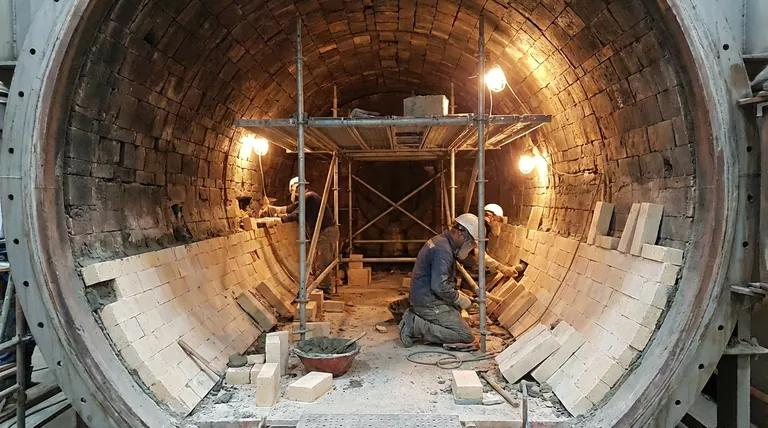
Industrial furnaces, heat treatment furnaces, heating furnaces and other high-temperature equipment are prone to heat leakage around the furnace door during long-term operation. Because furnace doors are frequently opened and closed, the door frame, door gaps, inspection openings, hinges and connection areas between the door and furnace body can be affected by structural deformation, seal aging and insulation damage.If the sealing and insulation around the furnace door are inadequate, problems such as increased local surface temperature, continuous heat loss, higher ambient temperature and increased energy consumption may occur. For furnaces with frequently operated doors, improper selection or installation of sealing materials may also cause poor door closure, insulation detachment and frequent maintenance.1. Why Does Heat Loss Occur Around Industrial Furnace Doors?1.1 Moving Gaps Around the Furnace DoorFurnace doors need to be opened, closed or moved, so they generally cannot have the same continuous refractory structure as a fixed furnace wall. A certain amount of movement clearance is therefore required between the furnace door and furnace body.If the gap is too large or the door cannot maintain proper contact when closed, hot gases inside the furnace may escape through the gap.1.2 Damage to Sealing Materials Caused by Frequent Door OperationIndustrial furnace doors may be operated frequently during loading, unloading, inspection and maintenance.After long-term exposure to compression, friction, high temperature and thermal cycling, sealing materials may become permanently deformed, hardened, powdered or locally detached. As a result, the sealing performance gradually decreases.1.3 Deformation of the Furnace Door and Furnace BodyFurnace doors and furnace bodies generally consist of metal structures, refractory layers and insulation layers. During long-term heating, metal components and refractory materials experience thermal expansion and contraction.If expansion space, supporting methods or connection structures are not properly designed, the furnace door may deform, the door frame may become misaligned, and local gaps may increase.1.4 Insufficient or Damaged Furnace Door InsulationA furnace door normally contains both refractory and insulation layers. If the insulation structure is poorly designed or becomes damaged through long-term operation, the outer surface temperature of the door may gradually increase.The edges, corners and door-frame areas are particularly susceptible to discontinuities in the insulation layer.2. What Problems Can Heat Loss Around Furnace Doors Cause?2.1 Increased Heat LossContinuous heat leakage around the furnace door transfers more heat to the external environment and reduces the overall thermal insulation performance of the furnace.2.2 Higher Working Area TemperatureExcessive surface temperature around the furnace door can increase thermal radiation in the operating area and make loading, unloading, inspection and maintenance more difficult.2.3 Reduced Operating StabilityPoor furnace door sealing may allow outside air to enter the furnace, affecting furnace temperature and atmosphere.For processes requiring stable temperature distribution or a controlled furnace atmosphere, furnace door sealing should receive particular attention.2.4 Damage to Surrounding ComponentsContinuous local overheating may expose door frames, hinges, locking devices and other metal components to excessive temperatures for extended periods, increasing the risk of deformation and maintenance problems.3. What Refractory and Insulation Materials Can Be Used Around Furnace Doors?Material selection should be based on operating temperature, structural design, door operating frequency and mechanical loading. Common materials include the following.3.1 Ceramic Fiber Blankets and ModulesCeramic fiber products are lightweight and provide good thermal insulation performance. They can be used as insulation layers inside furnace doors or for local insulation between the furnace door and furnace body.For frequently operated doors, the material must be properly matched with the fixing method, compression condition and moving structure to prevent loosening or detachment caused by repeated compression.3.2 Lightweight Insulating BricksLightweight insulating bricks can be used in relatively stable insulation areas inside furnace doors where a certain degree of shape retention and structural integrity is required.The overall door weight, dimensional changes and connections between the bricks and other refractory layers should be considered during installation.3.3 Refractory CastablesWhere a more complete refractory layer is required on the inner side of the furnace door, a suitable refractory castable can be selected according to the actual operating conditions.Castables are suitable for relatively fixed areas requiring strength and wear resistance. However, their weight, curing and dry-out requirements should be considered during furnace door installation to reduce the risk of cracking caused by repeated movement or structural deformation.3.4 Refractory Sealing MaterialsRefractory sealing materials are commonly used around furnace door joints, door frames and local connection areas.A sealing material must do more than simply fill gaps. It should also accommodate thermal expansion, contraction and minor movement during furnace operation. Therefore, selection should not be based solely on bonding performance at room temperature.3.5 Thermal Insulation CoatingsFor furnace door shells, door frames and other metal surfaces where heat loss needs to be reduced, a suitable thermal insulation coating may be considered according to the actual temperature conditions.Insulation coatings are relatively flexible to apply and can be useful for complex-shaped areas where conventional insulation materials are difficult to install. Proper surface preparation and coating adhesion must be ensured before application.4. What Should Be Considered When Selecting Furnace Door Insulation Materials?4.1 Confirm the Actual Operating TemperatureThe temperatures on the inner side of the furnace door, around the door frame and on the external metal surface can be significantly different.Materials should therefore not be selected solely according to the maximum furnace chamber temperature. The refractory, insulation and sealing layers should be selected according to the actual temperature and heating conditions of each area.4.2 Consider Door Operating FrequencyFor frequently opened and closed furnace doors, materials should have good structural adaptability and resistance to repeated compression.The material configuration for a permanently fixed door may be different from that required for a frequently operated door.4.3 Consider Material WeightFurnace doors are normally supported by hinges, rails or other mechanical structures. Excessively heavy refractory or insulation systems can increase the operating load and affect the opening and closing of the door.Therefore, total door weight should be considered while meeting refractory and insulation requirements.4.4 Pay Attention to Connections Between Different MaterialsCeramic fiber, lightweight bricks, refractory castables and sealing materials have different shrinkage, expansion and structural characteristics.Without proper connections or necessary buffering between different materials, cracking, displacement and enlarged gaps may occur after heating.4.5 Allow Proper Expansion SpaceFurnace doors, door frames and furnace bodies change dimensions at high temperatures. If all components are tightly fixed according to their cold-state dimensions, thermal expansion may cause excessive stress and deformation during heating.Proper joints and expansion spaces should therefore be designed according to the furnace structure and material characteristics.5. Main Steps for Furnace Door Insulation Installation5.1 Inspect the Substrate and Existing StructureBefore installation, inspect the metal frame, door panel, anchors, rails and hinges to determine whether there is deformation, looseness or corrosion.If the supporting structure itself is unstable, simply adding insulation materials to the surface will not solve the problem and may result in future detachment or cracking.5.2 Clean the Installation SurfaceRemove dust, oil, loose particles and deteriorated old insulation materials to provide suitable conditions for bonding or fixing the new material.5.3 Install Materials According to Different AreasThe operating conditions at the center of the furnace door, edges, door frame, inspection openings and locking areas may differ.Materials should therefore be configured according to the requirements of each area rather than using one material throughout the entire door.5.4 Treat Door Gaps and Connection AreasDoor gaps, door-frame edges and the contact area between the furnace door and furnace body are common heat leakage points.Suitable sealing materials or flexible insulation structures should be used according to the actual design.5.5 Ensure Proper Material FixingCeramic fiber products and lightweight insulation materials should be properly fixed using suitable anchors, retaining plates or other fixing systems according to the furnace door structure.This helps prevent loosening during repeated opening and closing.5.6 Control Castable Curing and Dry-OutIf refractory castables are used on the furnace door, curing and dry-out should be completed according to the technical requirements of the material.Insufficient curing or improper dry-out can cause moisture to escape too quickly, increasing the risk of cracking and spalling.6. How to Deal With Abnormal Heat Loss Around an Existing Furnace Door?If an abnormal increase in furnace door temperature, hot gas escaping through the gap or damaged insulation is observed, the first step is to determine whether the problem is caused by sealing failure, insulation damage, structural deformation or incomplete door closure.For minor local gaps, sealing or additional insulation may be applied according to the actual temperature and structural conditions.If the furnace door has significant deformation, large-scale insulation detachment or continuously abnormal door-frame temperature, both the mechanical structure and refractory insulation system should be inspected. Simply adding another layer of material to the outside may not solve the underlying problem.During repair, loose and deteriorated materials should be removed first. The substrate should then be stabilized before selecting new refractory, insulation or sealing materials according to the actual operating conditions.ConclusionThe area around an industrial furnace door is one of the locations most susceptible to heat leakage in a refractory and insulation system. Common causes include excessive door gaps, aging sealing materials, structural deformation, damaged insulation and improper installation.When selecting furnace door insulation materials, operating temperature, door opening frequency, overall weight, material connections, expansion space and maintenance requirements should all be considered.Ceramic fiber products, lightweight insulating bricks, refractory castables, refractory sealing materials and thermal insulation coatings can be combined according to the requirements of different areas.A properly designed furnace door insulation system should not only reduce surface heat loss but also ensure smooth door operation, stable sealing performance and sufficient adaptability to temperature changes and structural movement during long-term operation.TIANYI REFRACTORY MATERIALS CO., LTD. provides ceramic fiber products, lightweight insulating bricks, refractory castables, siliceous sealing materials, thermal insulation coatings and other refractory and insulation materials for industrial furnaces. Material configurations can be developed according to the specific structure, operating temperature and working conditions of industrial furnaces, heat treatment furnaces, heating furnaces and other high-temperature equipment.
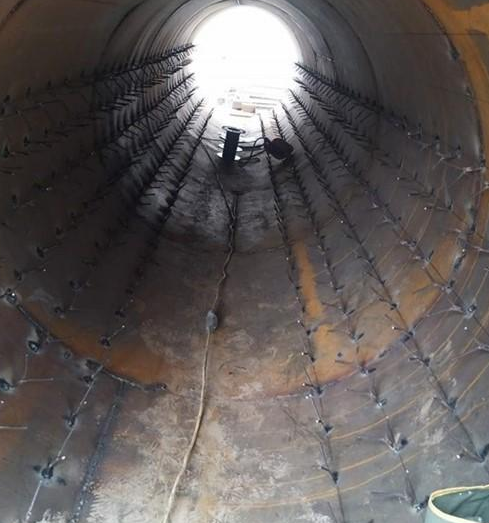
The cement rotary kiln hood is an important component around the clinker discharge and cooling area. It is continuously exposed to high-temperature clinker, hot gas flow and dust. Compared with the refractory lining inside the rotary kiln shell, the kiln hood has its own operating characteristics. Therefore, refractory materials for the kiln hood should not simply be selected according to the same lining design used in other areas of the rotary kiln.During actual operation, cracks, spalling, wear or local refractory lining failure in the kiln hood can increase maintenance requirements and may also cause local heat loss and abnormal surface temperatures on the equipment. Therefore, selecting and configuring refractory materials according to the actual operating conditions of different areas is important for maintaining long-term stable operation.1. What Operating Conditions Do Refractory Materials in a Kiln Hood Need to Withstand?After clinker leaves the rotary kiln and enters the cooling system, the area around the kiln hood is continuously affected by high-temperature clinker and hot gas flow.During operation, the refractory lining may also be subjected to:High thermal loads;Abrasion from clinker and dust;Continuous hot gas flow;Temperature changes during equipment start-up and shutdown;Thermal expansion and contraction of the refractory lining;Construction difficulties caused by complex structural areas.Therefore, refractory materials used in the kiln hood need to be selected according to requirements such as high-temperature resistance, wear resistance, thermal shock resistance and construction adaptability.2. Why Should Different Areas of the Kiln Hood Use Different Refractory Materials?A kiln hood is not an area with completely uniform operating conditions.Areas close to high-temperature clinker and hot gas flow are generally subjected to greater thermal loads and abrasion. Other areas farther away from the high-temperature zone may place greater emphasis on thermal insulation and structural stability.Using the same high-performance refractory material throughout the entire kiln hood may simplify purchasing and construction, but it is not necessarily the most economical or technically appropriate solution.A more reasonable approach is to design the refractory lining according to the actual conditions of each area:High-temperature areas should focus on high-temperature resistance and structural stability.Areas subject to significant wear should focus on wear resistance and resistance to abrasion.Areas with relatively lower temperatures can incorporate lightweight insulation materials according to the insulation requirements.This approach can meet the requirements of different areas while helping control the overall refractory material cost.3. What Refractory Materials Are Commonly Used in Kiln Hoods?3.1 High Alumina Refractory CastableHigh alumina refractory castables are common monolithic refractory materials used in industrial furnaces and kilns. They can form a continuous lining through casting.For areas of a kiln hood with complex structures and irregular shapes, castable installation can provide certain construction advantages.When selecting a high alumina castable, the actual working temperature, wear conditions, installation method and specific application area should all be considered. It is not advisable to select a material simply because it has higher physical and chemical performance indicators.3.2 Wear-Resistant CastableIf certain areas of the kiln hood are exposed to significant abrasion from clinker particles, dust or high-speed gas flow, wear resistance should be given particular attention.The purpose of using a wear-resistant castable is not simply to increase the maximum service temperature. It is mainly designed to reduce lining damage caused by material impact, particle abrasion and mechanical wear.3.3 Steel Fiber Reinforced CastableFor areas exposed to mechanical impact, thermal shock or significant wear, steel fiber reinforced castables can be considered according to the actual operating conditions.Steel fibers can improve the material's resistance to impact and thermal shock. However, their suitability should be evaluated according to the service temperature, furnace atmosphere and construction requirements.3.4 Lightweight Insulation MaterialsNot every area of a kiln hood requires a high-density refractory material.For areas that primarily serve an insulation function, suitable lightweight insulation materials can be incorporated into the lining structure according to the design requirements.This layered approach allows the refractory working layer and insulation layer to work together, balancing refractory performance and overall thermal insulation.4. Why Do Refractory Linings in Kiln Hoods Tend to Crack?4.1 Thermal Stress Caused by Temperature ChangesDuring equipment start-up, shutdown or changes in production conditions, the temperature of the refractory lining changes accordingly.Refractory materials expand when heated and contract when cooled. If the lining structure, construction method or expansion joint arrangement is not properly designed, significant internal stress may develop.4.2 Mismatch Between Material Selection and Actual Operating ConditionsIf the wear resistance, thermal shock resistance or corrosion resistance of the refractory material does not meet the actual operating requirements, damage may still occur after long-term operation even when the installation quality is acceptable.Therefore, refractory material selection should be based on an analysis of actual operating conditions rather than simply on the product name.4.3 Improper Water Addition and Vibration During InstallationDuring castable installation, an improper amount of added water can affect the final properties of the material.Insufficient vibration may result in poor compactness and uneven structure, while excessive vibration can also cause segregation in some castable systems.After installation, improper curing or heating-up procedures may further increase the risk of cracking and spalling.4.4 Problems with Anchors and Structural DesignKiln hoods contain complex relationships between the steel structure and refractory lining.If refractory anchors are improperly arranged, welded or installed, local stress concentrations may occur during operation. This can lead to cracks or even local refractory lining detachment.5. How Should Refractory Materials for a Kiln Hood Be Properly Configured?In practical projects, refractory selection can generally follow the steps below.Step 1: Determine the working temperature of each area.First determine the actual temperature of different areas of the kiln hood rather than selecting materials based solely on the maximum temperature of the entire equipment.Step 2: Analyze the source of wear.Determine whether the main cause of lining wear is clinker impact, dust abrasion or hot gas flow.Step 3: Evaluate temperature fluctuations.For equipment that experiences frequent start-ups and shutdowns or significant temperature fluctuations, thermal shock resistance should be carefully considered.Step 4: Determine the installation method.Areas with simple and regular structures may require different installation methods from complex or irregular areas. Casting, patching and other installation methods should be considered in advance.Step 5: Properly combine the refractory and insulation layers.For areas that do not directly contact high-temperature media, a combination of refractory and insulation materials can be used according to the lining design. This can avoid using high-density refractory materials in every area.6. What Should Be Done When Local Damage Occurs in a Kiln Hood?When local refractory lining spalling or cracking occurs, the first step is to determine the location and extent of the damage.For minor local damage, a compatible repair material can be selected according to the site conditions.If a large area of the lining has fallen off, simply applying repair material to the surface is not sufficient. The following conditions should also be inspected:Whether the original refractory lining has become loose;Whether deformation exists in the underlying structure;Whether the refractory anchors are still in good condition;Whether continuous cracks exist around the damaged area;Whether significant thermal abrasion or wear is occurring.Only after identifying the underlying cause should the appropriate repair material be selected. This can help prevent the same type of damage from occurring again after repair.7. How Can the Service Stability of a Kiln Hood Refractory Lining Be Improved?The service life of a kiln hood refractory lining depends not only on the refractory material itself, but also on design, installation, operation and maintenance.During construction, the water addition, mixing, vibration, curing and heating-up procedures should be properly controlled according to the material requirements.During operation, the refractory lining should be regularly inspected for cracks, spalling, abnormal wear and localized temperature increases.When abnormal conditions are identified, the cause should be analyzed and corrective action taken promptly rather than waiting until a large section of the refractory lining has failed.ConclusionThe selection of refractory materials for a cement rotary kiln hood should be based on the actual temperature, wear, abrasion, thermal shock and structural conditions of different areas.High alumina castables, wear-resistant castables, steel fiber reinforced castables and lightweight insulation materials each have different advantages under different operating conditions.A reasonable refractory solution does not necessarily mean using the same material throughout the entire kiln hood. Instead, materials should be selected and configured according to the actual operating conditions of different areas through zoned and layered lining design.For cement plants, the ultimate goal of refractory selection is not only to meet temperature resistance requirements, but also to achieve a balance between lining stability, installation and maintenance requirements, and long-term equipment operation.TIANYI REFRACTORY MATERIALS CO., LTD. provides high alumina refractory castables, wear-resistant castables, steel fiber reinforced castables, lightweight insulation materials, refractory bricks and related refractory and insulation products for industrial furnaces and kilns.We can recommend and configure suitable refractory materials according to different industrial equipment, operating conditions and specific application areas. Our solutions cover various industrial sectors, including glass, steel, cement, petrochemical and lime industries.
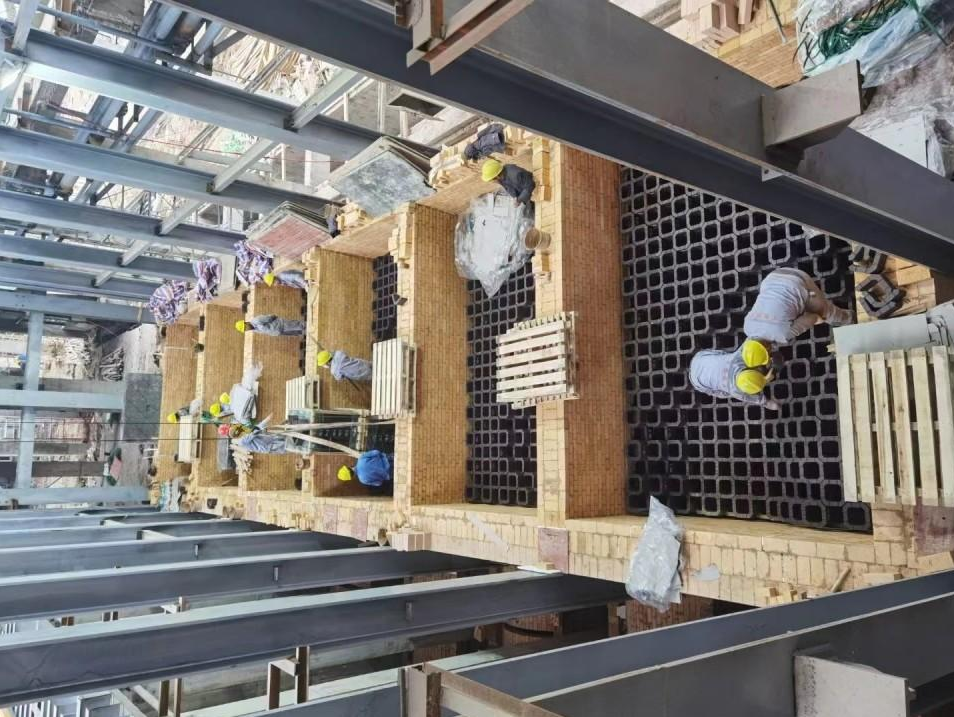
What Refractory Materials Are Used for Checker Bricks in Glass Furnace Regenerators?During the long-term continuous operation of a glass furnace, the regenerator plays an important role in heat recovery. The checker bricks inside the regenerator are continuously exposed to high-temperature flue gas and may also be affected by temperature fluctuations, dust deposition, and chemical components in the flue gas.If the refractory material is improperly selected, or if the checker bricks suffer from corrosion, blockage, cracking, or spalling during long-term operation, the heat-exchange performance of the regenerator may be affected. Therefore, material selection should not be based only on refractoriness. Actual operating conditions must also be considered.1. Why Do Checker Bricks Need Refractory Materials?The temperature inside a glass furnace regenerator can be very high, and the checker bricks must withstand continuous thermal loads. At the same time, combustion flue gas continuously passes through the checker passages, exposing the refractory material to gas flow and different atmospheres.The main factors that should be considered include:Long-term exposure to high temperatures;Continuous flue-gas flow and erosion;Periodic temperature fluctuations;Dust and volatile deposition;Chemical attack from components in the flue gas;Structural stability of the checker system.Therefore, checker bricks need not only good high-temperature resistance but also suitable resistance to corrosion, thermal shock, and structural damage.2. What Refractory Materials Are Commonly Used?Glass furnaces differ in design, production capacity, glass composition, and operating conditions. Therefore, the refractory material used for the checker system should be selected according to the actual application.Common refractory materials may include:1. Silica RefractoriesSilica refractories can be used in certain high-temperature areas of glass furnace structures. For regenerator applications, their suitability should be evaluated according to operating temperature, flue-gas conditions, and furnace design.2. High-Alumina RefractoriesHigh-alumina refractories offer good high-temperature performance and can be used in certain industrial furnace areas where higher refractory performance is required.3. Application-Specific Refractory MaterialsFor special glass production processes or regenerators exposed to complex flue-gas conditions, refractory materials should be selected according to operating temperature, flue-gas composition, dust conditions, and expected service life.3. Why Is Refractoriness Not the Only Factor?When purchasing refractory materials, many users initially focus on the maximum service temperature.However, for checker bricks in regenerators, operating performance is not simply determined by whether the material can withstand a higher temperature.Different flue-gas compositions, dust concentrations, and temperature fluctuations can have significantly different effects on refractory materials even at similar operating temperatures.Therefore, material selection should consider:Operating temperature + flue-gas composition + thermal shock conditions + dust conditions + checker structure + service life.A comprehensive evaluation can help ensure that the refractory material matches the actual operating environment.4. Common Causes of Checker Brick DamageWhen checker bricks show significant damage after long-term operation, the actual cause should be determined based on the site conditions.Temperature FluctuationsFurnace start-up, shutdown, and changes in operating conditions can cause thermal expansion and contraction. Significant temperature changes may increase the risk of cracking and spalling.Flue-Gas CorrosionContinuous exposure to high-temperature flue gas may gradually affect the checker bricks. If corrosive components are present in the flue gas, long-term exposure may reduce refractory performance.Dust DepositionDust accumulation inside checker passages can restrict gas flow and reduce heat-transfer efficiency. It can also increase the difficulty of cleaning and maintenance.Improper Material SelectionSelecting refractory materials based only on price or a single performance parameter, without considering the actual regenerator operating conditions, may result in unsatisfactory service performance.5. How Should Refractory Materials for Checker Bricks Be Selected?Several factors should be evaluated in an actual project:First, determine the operating temperature.Select suitable refractory materials according to the actual temperature of different areas within the regenerator.Second, analyze the flue-gas environment.Consider flue-gas composition, dust concentration, and potential chemical attack.Third, consider temperature fluctuations.If the equipment experiences frequent heating and cooling cycles, thermal-shock resistance should receive particular attention.Fourth, consider the checker structure.Different checker designs and dimensions may impose different requirements on strength, wear resistance, and long-term stability.Fifth, consider the maintenance cycle.Material selection should not be based solely on purchase price. Replacement difficulty, maintenance time, and production losses caused by furnace shutdown should also be considered.6. Proper Maintenance of Refractory Checker BricksIn addition to proper material selection, regular inspection and maintenance are important for long-term regenerator operation.If localized cracking, spalling, blockage, or significant corrosion is found, the cause should be investigated promptly and an appropriate repair plan should be developed according to the actual damage.For newly constructed or repaired regenerators, the installation, drying, and heat-up procedures should also follow the requirements of the selected refractory materials. Improper installation or heating may negatively affect subsequent service performance.ConclusionChecker bricks in glass furnace regenerators operate for long periods under high-temperature flue-gas conditions. Their refractory materials should therefore be selected by considering operating temperature, flue-gas composition, thermal shock, dust deposition, checker structure, and expected service life.There is no single refractory material suitable for every regenerator application. A more appropriate approach is to select materials according to the specific furnace design and operating conditions of each area, balancing refractory performance, service life, maintenance requirements, and overall operating cost.TIANYI REFRACTORY MATERIALS CO., LTD. supplies silica bricks, high-alumina bricks, lightweight insulating bricks, ceramic fiber products, refractory castables, and related thermal insulation materials. Materials can be configured according to different sections and operating conditions of glass furnaces. The company's glass-industry applications include float glass furnaces, container glass furnaces, regenerators, furnace roofs and sidewalls, forehearths, and related areas.
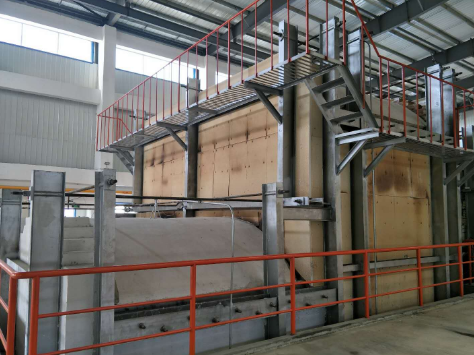
Causes and Prevention of Refractory Spray Coating Detachment in Glass FurnacesGlass furnaces operate continuously at high temperatures. The furnace lining is exposed not only to constant thermal loads but also to temperature fluctuations, flame impact, hot gases, and other harsh operating conditions. When refractory spray coatings are used for furnace lining repair or protection, local detachment, cracking, or powdering after installation can affect the integrity of the lining and increase the frequency of maintenance.The detachment of refractory spray coatings is usually not caused by the material alone. Inadequate substrate preparation, dust or loose particles on the surface, improper coating thickness, incorrect water addition, and insufficient curing or improper heating procedures can all affect the bonding between the spray coating and the existing furnace lining.1. Inadequate Substrate PreparationBefore applying refractory spray material, the surface of the existing furnace lining should be properly cleaned.Dust, loose particles, powdery refractory layers, or oil contamination can reduce the bonding strength between the spray coating and the existing lining.Severely damaged areas should be thoroughly removed and cleaned before spraying. Applying new material directly onto an unstable or loose refractory surface may result in premature detachment.2. Improper Material SelectionDifferent areas of a glass furnace are exposed to different temperatures, thermal shocks, flame conditions, and corrosive environments.Therefore, the refractory spray material should be selected according to the specific operating conditions.If the refractory temperature, thermal shock resistance, corrosion resistance, or bonding performance of the material does not meet the requirements of the application, cracking, powdering, and detachment may occur during long-term operation.3. Improper Spray Coating ThicknessA thicker refractory spray coating does not necessarily provide better performance.If the coating is applied too thickly in a single operation, moisture inside the material may be difficult to remove during drying and heating. This can generate internal stress and increase the risk of cracking or spalling.On the other hand, a coating that is too thin may not provide sufficient protection or repair the damaged area effectively.Therefore, the coating thickness should be controlled according to the material specifications and construction requirements. For thicker repairs, multi-layer application may be more appropriate.4. Improper Water Addition and Construction ControlSome refractory spray materials require water addition or specific mixing procedures before application.Excessive water can reduce the strength and bonding performance of the material, while insufficient water may affect workability and material distribution.Therefore, water addition, mixing time, spraying equipment, and other construction parameters should be controlled according to the technical requirements of the refractory material.5. Improper Curing and HeatingAfter spraying, refractory materials may still contain a certain amount of moisture.If the repaired area is heated too quickly without sufficient curing and drying, the rapid evaporation of water can generate internal vapor pressure. This may result in cracking, blistering, or local detachment of the spray coating.Therefore, an appropriate curing period and controlled heating schedule should be applied according to the material type and actual furnace conditions.6. Thermal Shock and Mechanical Erosion During OperationDuring long-term furnace operation, refractory spray coatings are exposed to repeated thermal cycles.Certain areas may also experience continuous flame impact, hot gas flow, and dust erosion.If the bonding strength of the spray coating is insufficient, repeated thermal cycling may gradually enlarge existing microcracks and eventually cause local spalling or detachment.How to Prevent Refractory Spray Coating DetachmentTo improve the service life of refractory spray coatings in glass furnaces, the following measures should be considered:Thoroughly remove dust and loose materials from the substrate before spraying.Select refractory spray materials according to the specific furnace area and operating conditions.Strictly control water addition and mixing parameters.Maintain an appropriate spray thickness.Use multi-layer application for thicker repair areas when required.Allow sufficient curing and drying after installation.Follow a controlled heating schedule during furnace start-up.Regularly inspect the coating for cracks, powdering, blistering, and local detachment.ConclusionThe detachment of refractory spray coatings in glass furnaces is often caused by a combination of material selection, substrate condition, construction quality, curing, heating procedures, and operating conditions.Therefore, simply changing the refractory material may not completely solve the problem.For glass furnace maintenance and repair, the damaged area, existing lining structure, operating temperature, thermal conditions, and service environment should be evaluated together. Selecting the appropriate refractory spray material and applying the correct construction procedure can help improve bonding strength, extend lining service life, and reduce furnace maintenance frequency.
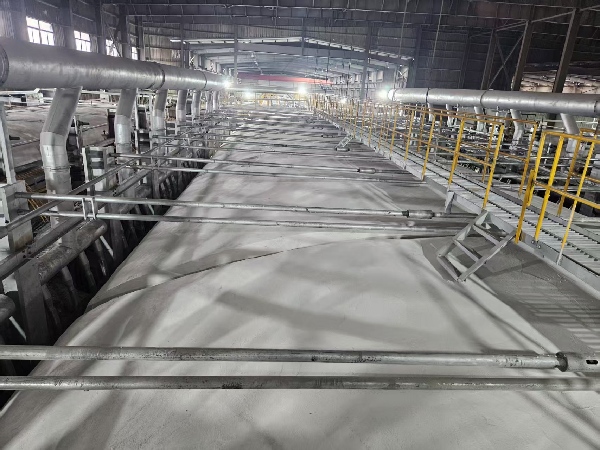
During refractory construction in cement plants, surface pores, honeycombs, rough areas and local looseness may sometimes appear after refractory castables are installed.A small number of fine surface pores do not necessarily indicate a material quality problem. However, when large or numerous pores appear together with cracking, powdering or local looseness, the causes should be investigated from several aspects, including materials, water addition, mixing, vibration, formwork, construction and curing.1. Raw Material and Mix Design ProblemsThe quality and proportion of raw materials directly affect the density of refractory castables.Poor-quality aggregates, powders or binders, or an inappropriate mix proportion, may increase the porosity of the finished castable.Unstable impurities or reactive components in raw materials may also cause abnormal reactions after water is added, affecting surface quality.Before construction, the following should be checked:Aggregate and powder quality;Moisture content;Mix proportions;Storage conditions;Whether the material has absorbed moisture or formed lumps.2. Incorrect Water AdditionWater addition is one of the most important factors affecting castable quality.Excessive water increases the amount of free water in the castable. As the water evaporates, additional pores may form and the density and strength of the castable may decrease.On the other hand, insufficient water can reduce workability and make it difficult for the material to fill gaps completely.Therefore, water should be controlled according to the manufacturer's technical instructions rather than being increased simply to improve flowability.3. Insufficient MixingRefractory castables should be mixed thoroughly so that aggregates, fine powders, binders and water are evenly distributed.Insufficient mixing may result in:Dry spots;Uneven moisture distribution;Material agglomeration;Uneven workability;Localized large pores.The appropriate mixing time should be determined according to the type of castable and the construction requirements.4. Insufficient or Improper VibrationProper vibration is critical for achieving a dense refractory castable structure.If vibration is insufficient, or if certain areas are not properly vibrated, trapped air cannot escape effectively, resulting in pores or honeycombs.However, excessive vibration is also undesirable.Over-vibration can cause aggregate segregation and paste migration, which may negatively affect the overall performance of the castable.Therefore, vibration time and method should be adjusted according to the castable's workability, lining thickness and installation location.5. Formwork and Release Agent ProblemsFormwork conditions can directly affect the surface quality of refractory castables.Problems such as:Leakage from formwork joints;Excessive gaps;Uneven surfaces;Uneven release-agent application;Excessive water absorption by the formwork;may result in surface pores, roughness or other defects.Before installation, the formwork should be checked for proper sealing and surface condition.6. Poor Structure Design and Air VentingComplex structures, narrow sections, corners and areas with dense reinforcement can make air removal difficult.When the flow of castable is obstructed, air can become trapped inside the material and eventually appear as surface pores.For complex structures, attention should be paid to:Castable flow direction;Air-release locations;Vibration positions;Pouring sequence;Formwork design.7. Improper Curing and Dry-OutAfter installation, refractory castables require proper curing and controlled dry-out.Insufficient curing may cause excessive surface moisture loss, powdering and inadequate strength development.During dry-out, heating too quickly can cause rapid vaporization of internal moisture. Excessive vapor pressure may lead to surface pores, cracks or even explosive spalling.Therefore, the dry-out process should strictly follow the temperature schedule recommended by the refractory castable manufacturer.How to Prevent Surface Pores in Refractory Castables?1. Control Raw Material QualityUse qualified aggregates, powders and binders and keep materials protected from moisture.2. Control Water AdditionDo not add excessive water simply to improve workability.3. Mix ThoroughlyEnsure that all components and water are uniformly distributed.4. Apply Proper VibrationEnsure sufficient vibration while avoiding excessive vibration.5. Check FormworkMake sure the formwork is sealed, stable and smooth, and apply release agents properly.6. Optimize the Construction SequenceFor complex structures, plan the pouring and vibration positions to minimize trapped air.7. Follow Proper Curing and Dry-Out ProceduresCure the castable properly and follow the recommended heating curve during dry-out.ConclusionSurface pores in refractory castables used in cement plants are usually not caused by a single factor. Raw materials, mix design, water addition, mixing, vibration, formwork, construction conditions, curing and dry-out can all affect the final surface quality.A small number of fine surface pores may be acceptable depending on the application. However, extensive pores, honeycombing, powdering, cracking or obvious looseness should be investigated promptly because these defects can affect the strength, abrasion resistance, thermal performance and service life of the refractory lining.
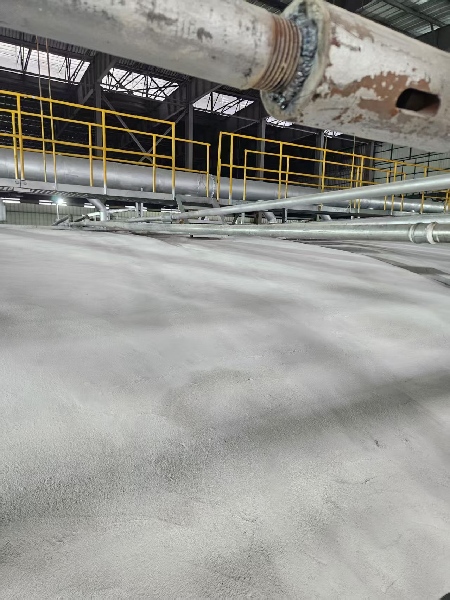
Castable or Refractory Bricks for Fluidized Bed Furnaces?Fluidized bed furnaces are widely used in industrial heating, calcination, roasting and material processing applications. Their refractory linings are exposed to high temperatures, continuous material impact, mechanical abrasion and repeated temperature changes.Therefore, when selecting refractory materials for a fluidized bed furnace, one common question is:Should a fluidized bed furnace use refractory castables or refractory bricks?In fact, both solutions can be used. The appropriate choice depends on the furnace structure, operating temperature, material characteristics, abrasion conditions, construction requirements, maintenance conditions and overall cost.1. Why Does a Fluidized Bed Furnace Need a Refractory Lining?During operation, the refractory lining of a fluidized bed furnace may be exposed to several demanding conditions:High operating temperaturesContinuous material impactMechanical abrasion from solid particlesRepeated heating and coolingChemical attack from process materials or slagHigh local thermal loadsIf the refractory lining is not properly selected, problems such as cracking, spalling, accelerated wear or local failure may occur, resulting in more frequent shutdowns and maintenance.Therefore, refractory materials for fluidized bed furnaces need not only good refractoriness, but also appropriate abrasion resistance, thermal shock resistance and chemical resistance according to the specific operating conditions.2. Using Refractory Castables in Fluidized Bed FurnacesRefractory castables are made from refractory aggregates, fine powders, binders and other additives. They are installed on site by mixing, casting or other suitable construction methods to form an integral refractory lining.Main Advantages of Refractory Castables① Good Structural IntegrityOnce properly installed and cured, castables can form an integral lining structure, reducing the weak points associated with brick joints.② Suitable for Complex StructuresCastables are particularly suitable for irregular structures, arches, ducts and areas requiring customized shapes.③ Flexible ConstructionCastables can be installed according to the actual dimensions and geometry of the furnace, making them convenient for maintenance and local repairs.④ Refractory Properties Can Be Designed for Specific ConditionsFor areas subject to severe material impact and abrasion, suitable abrasion-resistant high-alumina castables, corundum castables or other specially formulated products can be selected.What Should Be Considered When Using Castables?Although castables offer flexible construction, installation quality has a significant impact on their service life.Important factors include:Strict control of the amount of mixing waterProper mixing timeSufficient curing after castingCorrect dry-out and heating proceduresProper lining thicknessAppropriate anchoring and structural designFor large fluidized bed furnaces, proper installation and controlled dry-out are especially important.3. Using Refractory Bricks in Fluidized Bed FurnacesRefractory bricks are prefabricated refractory products that are shaped and fired at high temperatures before being installed.Common types include:High alumina refractory bricksFireclay bricksMullite bricksCorundum bricksOther specialized refractory bricksHigh alumina bricks, in particular, contain a relatively high level of Al₂O₃ and provide good refractory performance for a variety of high-temperature industrial applications.Main Advantages of Refractory Bricks① Good Dimensional StabilityRefractory bricks are fired at high temperatures and generally have good structural stability during service.② Good Abrasion ResistanceFor areas exposed to significant material impact and mechanical wear, high-strength refractory bricks can be selected according to the operating conditions.③ Mature Installation TechnologyBricklaying is a well-established installation method and is suitable for regular furnace walls and certain furnace-bottom structures.④ Convenient Local ReplacementIf individual bricks become damaged, the affected area can be removed and replaced without necessarily rebuilding the entire lining.4. How to Choose Between Castables and Refractory Bricks?There is no absolute winner between refractory castables and refractory bricks. The selection should be based on the actual operating conditions.ComparisonRefractory CastableRefractory BrickInstallation methodOn-site castingBricklayingStructural integrityGenerally goodBrick joints presentAdaptability to complex structuresExcellentRelatively limitedConstruction flexibilityHighRelatively lowerAbrasion resistanceCan be designed according to requirementsDepends on brick typeLocal repairSuitable for patching and repairIndividual bricks can be replacedDry-out requirementsRelatively importantGenerally lowerTypical applicationsFurnace walls, bottoms, irregular areas, etc.Regular furnace walls and high-wear areas, etc.5. Can a Fluidized Bed Furnace Use a Combination of Bricks and Castables?In many practical projects, it is not necessary to use only one type of refractory material throughout the entire furnace.A combination of refractory bricks and castables can be designed according to the operating conditions of different furnace sections.Furnace BottomThe furnace bottom may be exposed to high temperatures and continuous material impact. Depending on the operating conditions, high-strength abrasion-resistant castables or refractory bricks may be selected.Furnace WallsFor regular structures requiring long-term dimensional stability, refractory bricks can be used. Integral castable linings are also possible depending on the furnace design.High-Wear AreasFor areas exposed to continuous particle impact, special attention should be given to abrasion-resistant castables, high-alumina castables or high-strength refractory bricks.Irregular and Maintenance AreasFor complex structures or areas requiring rapid repair, castables generally provide greater construction flexibility.Therefore, a combined refractory lining system can often provide a more practical solution for large fluidized bed furnaces.6. What Factors Should Be Considered When Selecting Refractory Materials?Before selecting the refractory material, it is recommended to evaluate the following parameters:① Operating TemperatureDetermine the normal operating temperature and maximum service temperature.② Material CharacteristicsConsider particle size, hardness, chemical composition and material flow conditions.③ Abrasion ConditionsDetermine whether the refractory lining will be continuously exposed to high-speed particles or severe mechanical abrasion.④ Chemical AttackAnalyze whether the process materials, slag or gases may cause acidic, alkaline or other forms of chemical attack.⑤ Furnace StructureConsider the specific requirements of the furnace bottom, walls, roof, ducts and irregular sections.⑥ Construction ConditionsEvaluate available installation space, construction equipment, installation time and dry-out conditions.⑦ Maintenance Cycle and Overall CostDo not compare refractory materials based only on their purchase price. Installation costs, downtime, maintenance frequency and service life should also be considered.7. TIANYI REFRACTORY Provides Refractory Solutions for Fluidized Bed FurnacesTIANYI REFRACTORY MATERIALS CO., LTD. provides refractory bricks, refractory castables and thermal insulation materials for high-temperature industrial equipment.Depending on the operating temperature, abrasion level and construction requirements of different furnace sections, various refractory materials can be selected, including:High Alumina Refractory BricksHigh Alumina Dense CastableLightweight Insulating Refractory CastableMullite BricksMagnesia-Alumina Spinel CastableThermal Insulation MaterialsFor high-temperature and high-abrasion applications, refractory materials can be selected according to actual operating conditions, including Al₂O₃ content, bulk density, abrasion resistance, refractoriness and thermal shock resistance.8. ConclusionSelecting refractory materials for a fluidized bed furnace is not simply a choice between castables and refractory bricks. The material should be selected according to the actual operating conditions.If the furnace has a complex structure and requires good structural integrity and flexible on-site construction, refractory castables can provide excellent adaptability.For areas requiring high dimensional stability, abrasion resistance and long-term service performance, high alumina bricks, mullite bricks and other refractory bricks may be more appropriate.For large fluidized bed furnaces, a combination of refractory bricks + refractory castables + thermal insulation materials can also be used according to the operating conditions of different areas.This approach can help achieve a better balance between refractory performance, construction efficiency, service life and overall operating cost.