咨询热线:18906399575

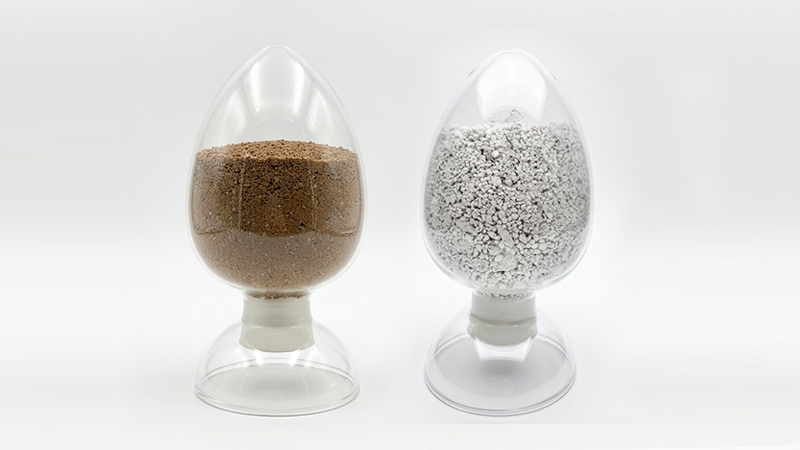
In high-temperature industrial production, refractory materials form the core foundation for ensuring stable equipment operation and extended service life. They play an irreplaceable role especially in high-temperature sectors such as glass, metallurgy and chemical engineering.With outstanding high-temperature resistance, wear resistance and corrosion resistance, refractory materials adapt to various high-temperature working conditions, effectively resist erosion from harsh thermal environments, reduce equipment wear, and guarantee continuous and stable production. Whether in glass melting furnaces, non-ferrous metal smelting furnaces or waste incineration furnaces, refractory materials precisely match the operational requirements of different equipment and provide reliable protection for high-temperature operations.Refractory materials not only withstand extreme high temperatures but also minimize heat loss, helping enterprises achieve energy conservation and consumption reduction. Their stable performance constitutes a core advantage, meeting the high-temperature protection needs of different industries, building a strong safety line for various high-temperature equipment, and supporting the orderly development of industrial production as an indispensable pillar in the field of high-temperature protection.
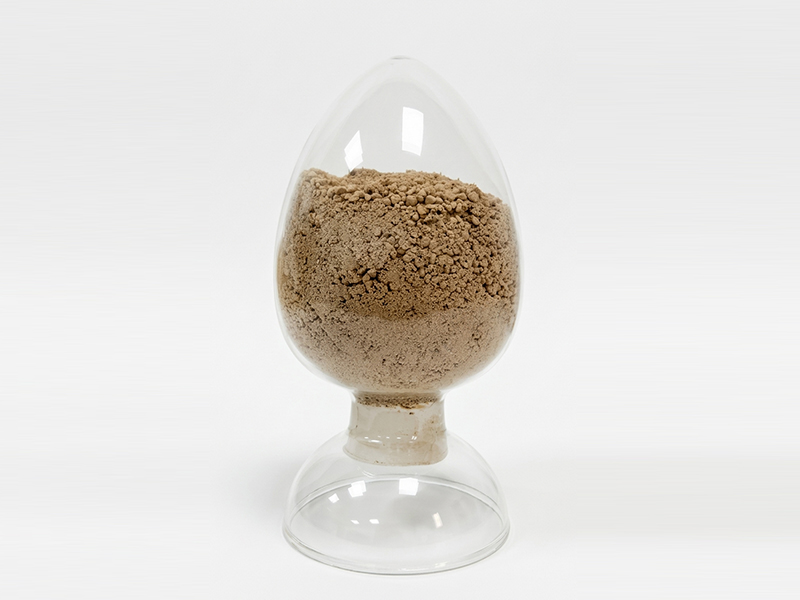
Performance requirements for refractory materials vary across different high-temperature operating scenarios. Selecting properly matched refractory materials is key to ensuring the long-term stable operation of high-temperature equipment.In high-temperature applications such as glass production and non-ferrous metal smelting, refractory materials must demonstrate excellent high-temperature resistance and erosion resistance to withstand sustained extreme heat. According to the working conditions of different equipment, refractory materials are categorized into working linings, insulation layers, safety linings and other types, each applied to corresponding parts of the furnace body for full-range high-temperature protection.From the working lining construction of glass melting furnaces to the thermal insulation protection of non-ferrous metal smelting furnaces, refractory materials consistently hold the line for high-temperature safety. With stable quality, they adapt to a wide range of high-temperature operating environments. Whether in high-temperature smelting, waste incineration or other demanding conditions, suitable refractory materials effectively resist high-temperature corrosion, reduce equipment maintenance costs, and provide solid support for the safe and smooth operation of industrial production.
During the operation of high-temperature furnaces and kilns, heat loss is one of the main causes of energy waste and increased production costs.Our advanced refractory insulation materials are specially designed for furnace body insulation, helping to minimize heat loss and maximize thermal efficiency.By effectively reducing the outer wall temperature of furnaces, our solutions ensure:Lower energy consumptionReduced fuel costsImproved furnace operation efficiencyEnhanced operational safetyWhether applied in glass melting furnaces, steelmaking furnaces, or various industrial kilns, our insulation systems deliver stable and reliable performance under extreme high-temperature conditions.Upgrade your furnace insulation system today and turn energy loss into tangible cost savings!