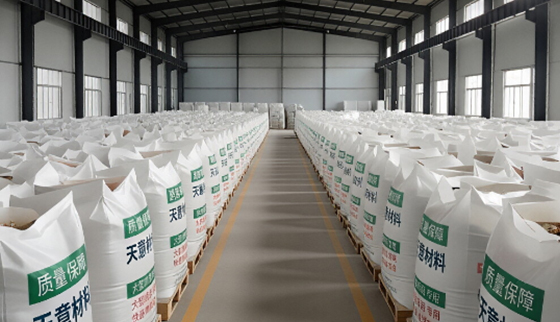
Chrome corundum is a high-performance raw material commonly used in refractory materials. It is mainly composed of alumina (Al₂O₃) and chromium oxide (Cr₂O₃).
Adding chrome corundum to refractory castables can improve their high-temperature performance, wear resistance and corrosion resistance, making them suitable for high-temperature environments involving severe abrasion, erosion and chemical attack.
Chrome corundum refractory castables are generally green. However, the actual color may vary depending on the chromium oxide content and sintering process, ranging from light red and purplish red to dark green.
1. Why Does Chrome Corundum Have Different Colors?
Effect of Chromium Oxide Content
Chrome corundum mainly consists of alumina and chromium oxide. Changes in the Cr₂O₃ content can affect the color of the material.
During high-temperature sintering, chromium oxide can form a solid solution with alumina, which affects the microstructure and appearance of the refractory material.
Therefore, chrome corundum produced with different chromium oxide contents and manufacturing processes may have different colors.
2. What Are the Benefits of Adding Chrome Corundum?
1. Improved Wear Resistance
Chrome corundum has high hardness and excellent high-temperature stability. When incorporated into refractory castables, it improves resistance to mechanical wear and material abrasion.
This makes chrome corundum castables suitable for furnace bottoms, furnace walls, chutes and other areas exposed to severe abrasion.
2. Improved Corrosion Resistance
Under the action of high-temperature molten materials, slag and corrosive media, conventional refractory materials may suffer from erosion and structural damage.
Chrome corundum has good chemical stability and can improve the resistance of refractory castables to molten materials and corrosive environments, helping extend lining service life.
3. Better High-Temperature Performance
Both Al₂O₃ and Cr₂O₃ have high refractoriness. Properly formulated chrome corundum can improve the high-temperature stability of refractory castables and make them suitable for demanding thermal equipment.
4. Extended Service Life
Improved wear resistance, corrosion resistance and high-temperature stability can reduce refractory lining damage and maintenance frequency, helping extend the continuous operating period of industrial equipment.
5. Lower Overall Operating Costs
Although chrome corundum castables may have a higher initial material cost than conventional castables, longer service life, fewer repairs and reduced downtime can lower overall maintenance costs in long-term operation.
3. Applications of Chrome Corundum Refractory Castables
Steel Industry
Chrome corundum castables can be used in blast furnaces, converters, electric furnaces and other high-temperature metallurgical equipment, particularly in furnace bottoms, furnace walls and wear-resistant lining areas.
Non-Ferrous Metal Industry
They can be used in aluminum, copper and other non-ferrous metal processing equipment to protect refractory linings exposed to high-temperature molten materials.
Petrochemical Industry
Chrome corundum castables can be applied to high-temperature equipment such as sulfur recovery units and coal-water slurry gasifiers, where resistance to heat, abrasion and corrosion is required.
Glass Industry
They can be used in glass furnace bottoms, sidewalls, protective layers, cold repairs and hot repairs, helping improve local resistance to erosion and wear and maintain stable furnace operation.
Ceramic Industry
They can be used in high-temperature ceramic kilns and related thermal equipment to improve refractory lining performance and service life.
4. Conclusion
Properly adding chrome corundum to refractory castables can provide several important performance improvements:
Higher wear resistance
Better corrosion resistance
Improved high-temperature stability
Longer refractory lining service life
Reduced maintenance and downtime
Lower long-term operating costs
However, a higher chrome corundum content does not necessarily mean better performance. The formulation should be optimized according to the operating temperature, molten material, abrasion level, corrosion conditions and installation method to achieve the best overall performance.