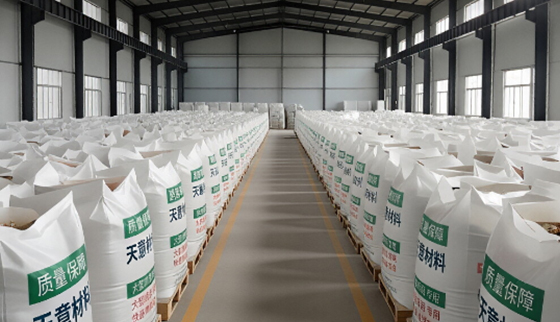
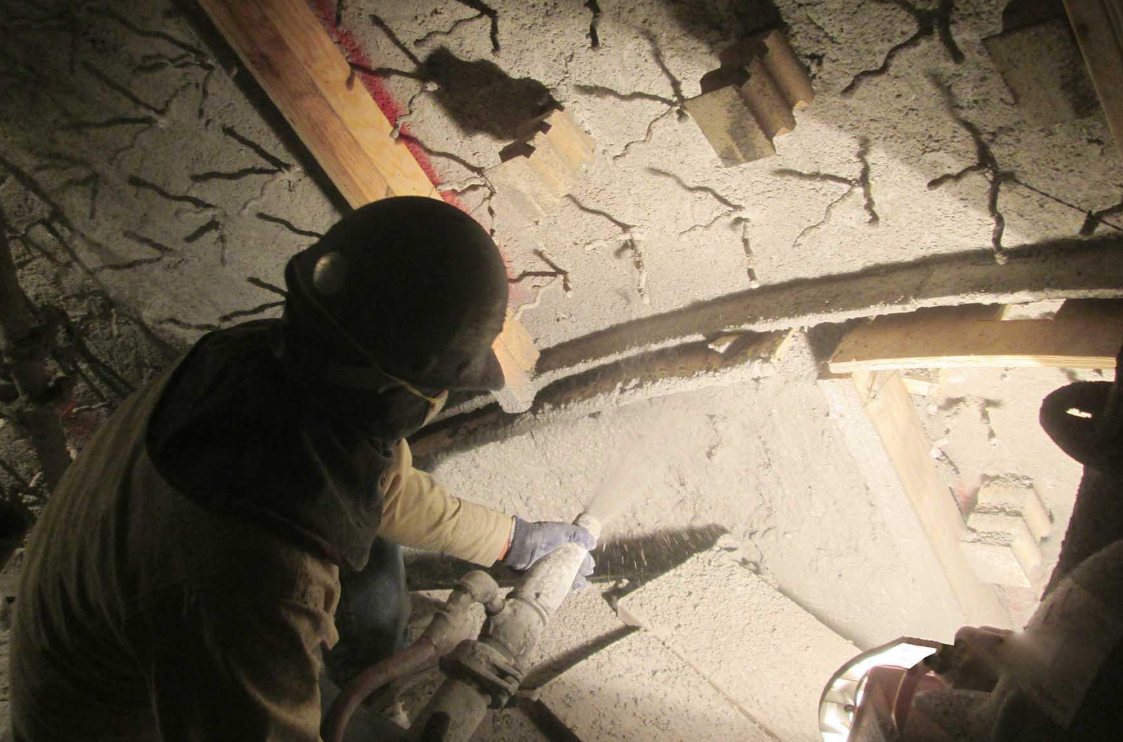
When people think about modern industry, they often focus on steel mills, cement plants, glass factories, or power stations. However, few realize that behind every high-temperature production process lies an essential material that makes these industries possible: refractory materials.
Without refractory materials, industrial furnaces would be unable to withstand extreme temperatures, and many manufacturing processes would simply stop.
What Are Refractory Materials?
Refractory materials are specially engineered materials capable of maintaining their strength, structure, and stability under extremely high temperatures.
Unlike ordinary construction materials, refractories can operate continuously in environments ranging from 1000°C to over 1800°C while resisting thermal shock, chemical attack, abrasion, and mechanical stress.
Their primary role is to protect industrial equipment and maintain process efficiency.
Why High Temperatures Matter
Many industrial products require heat-intensive manufacturing processes:
Steel requires melting and refining at temperatures above 1600°C.
Cement clinker is produced at around 1450°C.
Glass melting furnaces operate continuously for years at temperatures exceeding 1500°C.
Petrochemical facilities rely on high-temperature reactors and heaters.
At these temperatures, conventional materials would rapidly fail, making refractory technology indispensable.
The Hidden Infrastructure of Industry
Refractory materials are often called the "invisible foundation" of industrial production.
While they are rarely seen by end users, they line the interior of:
Blast furnaces
Rotary kilns
Glass furnaces
Incinerators
Boilers
Ladles
Heat treatment furnaces
These systems cannot function safely or efficiently without reliable refractory linings.
How Refractory Technology Has Evolved
Historically, refractory materials were relatively simple clay-based products.
Today, advances in material science have transformed the industry through:
High-purity raw materials
Advanced manufacturing processes
Computer-aided furnace design
Improved thermal efficiency technologies
Environmentally sustainable production methods
Modern refractory solutions now contribute not only to equipment protection but also to energy conservation and carbon reduction.
The Connection Between Refractories and Sustainability
Industrial sectors worldwide face increasing pressure to reduce emissions and improve energy efficiency.
A well-designed refractory system can:
Reduce heat loss
Lower fuel consumption
Improve production efficiency
Extend equipment lifespan
Minimize maintenance shutdowns
As global industries pursue carbon neutrality goals, refractory engineering has become a key component of sustainable manufacturing.
Future Trends in the Refractory Industry
Several trends are shaping the future of refractory technology:
1. Energy-Efficient Furnace Design
Manufacturers are demanding materials that help reduce thermal losses and improve heat utilization.
2. Longer Service Life
Plants seek refractory solutions that minimize downtime and maintenance costs.
3. Smart Manufacturing
Digital monitoring and predictive maintenance are becoming increasingly important in furnace operations.
4. Green Manufacturing
The development of low-carbon raw materials and environmentally friendly production processes is accelerating worldwide.
Conclusion
Although rarely noticed outside industrial circles, refractory materials play a fundamental role in modern manufacturing. From steel production to glass making, these high-temperature materials enable industries to operate safely, efficiently, and sustainably.
As industrial technology continues to evolve, refractory materials will remain one of the most important foundations supporting global manufacturing and infrastructure development.