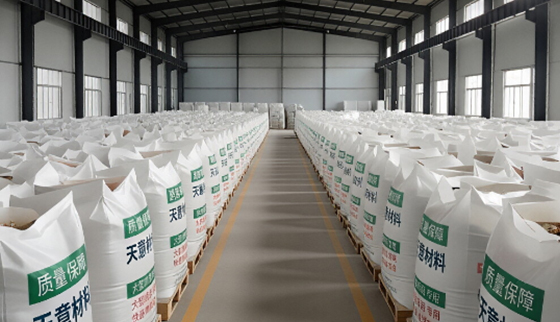
Steel Fiber Castable – A Scientific Overview
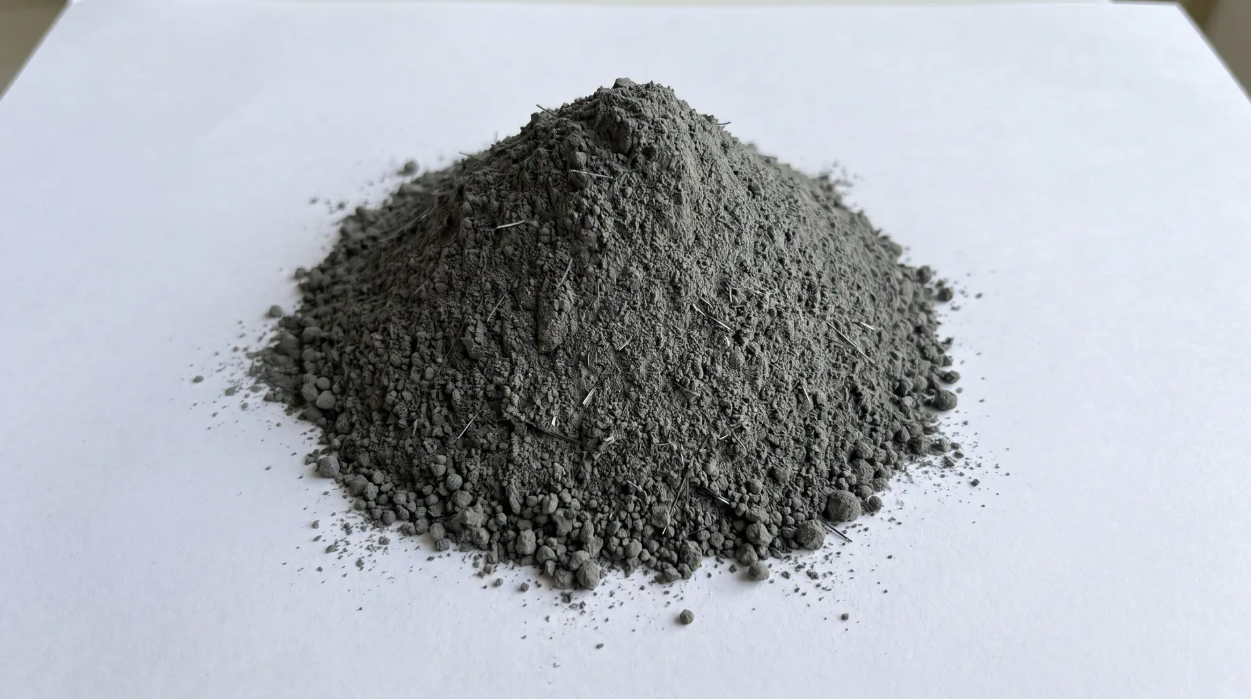
Steel Fiber Castable, fully named Steel Fiber Reinforced Refractory Castable, is a high-performance monolithic (unshaped) refractory material. It is manufactured using high‑grade bauxite clinker as the aggregate, high‑quality bauxite clinker and corundum fine powder as the matrix, ultra‑fine powders and various composite materials as binders and additives, plus the addition of heat‑resistant stainless steel fibers. Depending on the raw material composition, it can be classified into high‑alumina, corundum‑based, mullite‑based, and other types.
In simple terms, it is like adding “micro‑reinforcing bars” – heat‑resistant stainless steel fibers – into a traditional refractory castable. These fibers are uniformly dispersed throughout the material, forming a three‑dimensional network structure.
Why add steel fibers?
Refractory castables are essentially engineering ceramic materials. Ceramics are well known for their high‑temperature resistance and corrosion resistance, but they have a fatal weakness: brittleness. Under severe temperature fluctuations or mechanical impact, micro‑cracks are easily generated and propagate, eventually leading to spalling or even fracture of the material, which severely shortens equipment service life and compromises operational safety.
So, what was the solution? Scientists came up with an ingenious approach: introducing the “strength of steel” into the “ceramic” matrix. This is the core philosophy behind steel fiber reinforced castables.
The addition of steel fibers brings three major improvements:
First, enhanced strength and toughness. The steel fibers form a uniformly distributed three‑dimensional network that bridges cracks within the castable, improving overall tensile strength and impact resistance. Studies have shown that the strength of steel fiber reinforced castables can be 30% to 60% higher than that of identical materials without steel fibers.
Second, crack propagation inhibition. This is the most critical effect. When micro‑cracks appear in the matrix, the steel fibers act as a “bridging” mechanism – like small bridges spanning across the crack faces – preventing the cracks from further extending under thermal and mechanical stresses. At the same time, the fibers can deflect the crack propagation path, making the cracks more tortuous and consuming more energy.
Third, improved thermal shock resistance. The steel fibers absorb and dissipate the stress energy generated by sudden temperature changes, effectively resisting thermal shock. This prevents damage caused by differential expansion between aggregates and matrix at high temperatures, as well as stress from temperature gradients during furnace start‑up and shut‑down.
Main application areas
Thanks to its high strength, high toughness, excellent thermal shock resistance, and good wear resistance, Steel Fiber Castable is widely used in various high‑temperature industrial sectors:
Cement industry – Rotary kiln outlets, coolers, coal injection pipes, decomposing furnaces, preheaters, etc. These areas are subjected to both high temperatures and material abrasion, making steel fiber castable the ideal choice.
CFB (Circulating Fluidized Bed) boilers – Furnace outlets, side walls, roofs, cyclone separators (straight sections and tops), return feeders, etc. CFB boilers experience high‑velocity material flow and frequent temperature fluctuations, which demand extremely high performance from refractory materials.
Metallurgical industry – Reheating furnace roofs and side walls, soaking pit covers and walls, heat treatment furnace linings, etc.
Other fields – Chemical reactors, waste incinerators, lime kilns, and other high‑temperature equipment.