咨询热线:18906399575
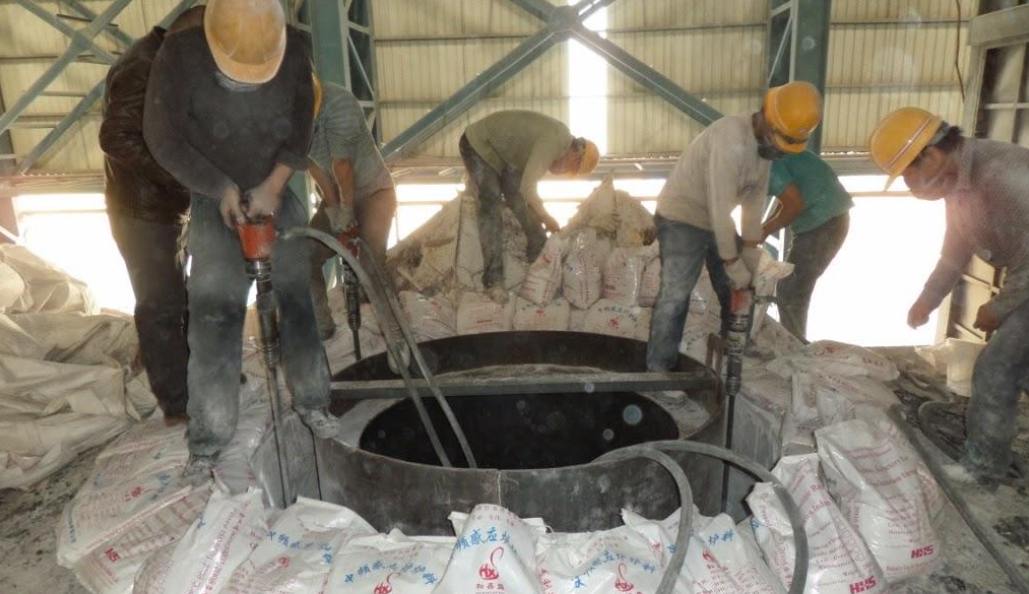
During the operation of industrial furnaces, heating furnaces, heat-treatment equipment and other high-temperature systems, refractory linings may gradually deteriorate due to temperature fluctuations, mechanical impact, gas erosion and chemical attack. Selecting a suitable repair material is particularly important when damaged areas have irregular shapes or are difficult to repair using conventional brickwork.Refractory plastic is a type of monolithic refractory material with plasticity under specified conditions. Depending on the product and its installation requirements, it may be shaped by ramming, troweling or other approved methods.Compared with refractory bricks, castables and other repair materials, refractory plastic offers different installation characteristics for certain localized repairs and irregular areas.Where can refractory plastic be used? What should be checked before selecting it? And can it replace other refractory repair materials?1. What Is Refractory Plastic?Refractory plastic is a monolithic refractory material generally composed of refractory aggregates, fine powders, bonding components and other necessary ingredients. Under specified conditions, it has sufficient plasticity to be shaped or applied to designated areas.Different refractory plastic products can vary considerably in composition, refractoriness, installation method, hardening or sintering behavior and suitable service conditions.For example, silica-based refractory plastic and high-alumina refractory plastic have different chemical compositions and may be suitable for different operating environments. Selection should therefore consider the existing lining, operating temperature, contacting materials and specific repair location.TIANYI's website lists product categories including silica-based refractory plastic and high-alumina plastic insulation material. The technical parameters and application limits should be confirmed using the relevant product documentation.2. Where Is Refractory Plastic Suitable for Furnace Lining Repairs?2.1 Localized Damage and Irregular Areas in Furnace WallsDuring long-term operation, furnace walls may develop localized damage caused by thermal stress, mechanical impact or chemical attack. For irregular areas that are difficult to repair using standard refractory brick shapes, refractory plastic may be considered as a material that can be formed to fit the repair area.Before installation, loose and deteriorated material should be removed, and the condition of the remaining lining should be assessed. The repair material and installation method can then be selected according to the service conditions.Refractory plastic should not simply be applied over every damaged area. Extensive spalling, unstable structures or severe lining deterioration may require removal, reconstruction or another engineered repair solution.2.2 Local Repairs to Furnace Roofs, Corners and Irregular StructuresSome industrial furnaces contain curved surfaces, corners, recesses and other irregular geometries. These features may make repair work more difficult because of limited access or complex shapes.Where the product and installation method are suitable, refractory plastic may be used for localized repairs or filling in selected irregular areas. Its plasticity can help it conform to the target shape, but the final result also depends on surface preparation, compaction, compatibility with the existing lining and subsequent thermal conditions.For furnace roofs and other load-bearing or safety-critical locations, ease of installation alone is not sufficient to justify material selection. Design requirements, anchoring conditions and relevant high-temperature properties must also be considered.2.3 Localized Repairs in Heating and Heat-Treatment FurnacesHeating furnaces, heat-treatment furnaces and other thermal processing equipment may experience temperature fluctuations, localized wear and prolonged high-temperature exposure.For damaged areas where plastic refractory installation is appropriate, refractory plastic can be one possible repair option. Suitability should be evaluated according to the structural function of the lining, operating temperature, mechanical loading and existing refractory materials.The repair plan should also consider shutdown scheduling, access for installation, curing or drying requirements, and any product-specific heating procedures before the equipment returns to service.2.4 Local Damage in Insulation Layers and Filling ApplicationsSome plastic refractory products are intended for filling insulation layers or repairing selected areas. These applications require careful consideration of insulation performance, dimensional stability, service temperature and compatibility with surrounding structures.Refractoriness and thermal insulation performance are not the same property. A material capable of withstanding high temperatures does not necessarily have the low thermal conductivity required for a particular insulation project. If the main objective is to reduce heat loss or lower external surface temperatures, thermal conductivity, installation thickness and the overall insulation structure should also be evaluated.Where significant thermal bridges, extensive missing insulation or structural defects exist, filling surface gaps alone may not address the underlying problem.2.5 Irregular Areas in Selected High-Temperature Pipes and Thermal EquipmentSome high-temperature pipes, elbow connections and complex thermal equipment contain areas requiring localized filling or repair.Whether refractory plastic is appropriate depends on the specific product's approved service conditions. If the repair area must also provide sealing, load-bearing capacity, erosion resistance or thermal insulation, the main service requirements should be clearly identified before selecting the material.Areas exposed to substantial flow erosion, mechanical vibration or severe chemical attack may require a more specialized assessment. General-purpose refractory plastic should not automatically be assumed to meet every requirement.3. How Does Refractory Plastic Differ from Other Repair Materials?Common refractory repair materials include refractory plastic, refractory castables, refractory coating or troweling materials, and hot-repair materials. Their applications may overlap, but they are not automatically interchangeable.ComparisonRefractory PlasticRefractory CastableRefractory Coating or Troweling MaterialHot-Repair MaterialGeneral characteristicsPlastic material that can be shaped as requiredGenerally installed through specified mixing and forming proceduresCommonly used for surface coating, troweling or localized repairDesigned for specific repair conditions according to the productTypical installationRamming, troweling or other specified methodsCasting, vibration or other approved methodsTroweling, spraying or specified application methodsDepends on product design and site conditionsPotential applicationsSelected localized damage, irregular areas and filling applicationsMonolithic linings, complex structures and suitable repair areasSurface protection, localized coating and similar applicationsRepair areas that meet the product's service requirementsKey selection factorsPlasticity, refractory properties, dimensional stability and installation compatibilityStrength, installation, curing and dry-out requirementsBonding to the substrate, service environment and coating performanceHot- or cold-repair conditions, composition and repair requirementsThis table presents general distinctions. Actual product performance and installation requirements vary, so selection should be based on technical documentation and site conditions.For example, a designed castable system may be more appropriate for a large monolithic lining. A coating or troweling material may be suitable for selected surface applications, while refractory plastic may be considered for certain irregular areas. The repair objective and operating conditions should determine the final choice.4. What Should Be Checked Before Selecting Refractory Plastic?4.1 Confirm Operating Temperature and Temperature FluctuationsIdentify the normal operating temperature, potential peak temperature, start-up and shutdown frequency, and the extent of temperature fluctuations.The assessment should also consider rapid heating and cooling, localized overheating and uneven temperature distribution. The selected material must match the actual service environment; refractoriness alone is not enough to establish suitability.4.2 Identify the Existing Lining MaterialCompatibility between the repair material and the existing lining is important.If the original lining is silica-based, high-alumina or another refractory system, the proposed repair material should be evaluated against its composition and service environment. Differences in thermal expansion, sintering behavior and chemical compatibility may affect the long-term stability of the repaired area.Before selection, confirm the existing lining material, damage location and available maintenance history whenever possible.4.3 Identify the Cause of DamageLining damage may result from several factors, including:Thermal stress and temperature cycling.Mechanical impact or abrasion.Slag, dust or corrosive media.Original installation defects.Insufficient expansion allowance or unsuitable structural design.Changes in material performance during long-term operation.Without identifying the underlying cause, even a new repair material may experience similar damage again.4.4 Check Installation and Return-to-Service RequirementsDifferent refractory plastic products may have different installation states, ramming requirements, curing procedures and drying conditions. Before work begins, review the product instructions and confirm the required tools, surface preparation, installation environment and subsequent heating requirements.For critical lining areas, prepare a repair plan and define the inspection and acceptance requirements before returning the equipment to service.5. Key Installation ConsiderationsTo reduce the risk of detachment, cracking or poor bonding, pay attention to the following steps.First, inspect and prepare the substrate. Remove loose, powdery and deteriorated material, and confirm that the remaining lining is stable. If ongoing erosion or structural damage is present, determine the appropriate corrective action first.Second, follow the product-specific installation procedure. Refractory plastic products may differ in their required consistency and installation methods. Follow the manufacturer's instructions rather than changing the material condition or mixing procedure without technical justification.Third, achieve uniform and adequate compaction. Where ramming is required, follow the specified procedure and avoid obvious voids or weak areas.Fourth, pay attention to interfaces and structural transitions. New-to-existing material interfaces, corners, edges and connections between different structures may require particular care to avoid localized stress concentrations.Fifth, follow the required curing, drying or heating procedure. Requirements depend on the product system and installation conditions. Materials that require drying or controlled dry-out should not be heated rapidly without an appropriate technical basis.Sixth, keep maintenance records. Record the material used, repair location, installation date, observed damage and post-repair operating conditions. These records can help evaluate repair performance and improve future maintenance planning.6. TIANYI Refractory Plastic and Repair SolutionsXinxiang Tianyi Thermal Insulation Materials Co., Ltd. supplies refractory and industrial insulation products, including refractory bricks, plastic refractories, refractory mortars, special spray insulation materials and high-temperature insulation coatings. TIANYI's current website information identifies lining repair and insulation-layer filling among the application areas for its plastic refractory product categories.For a specific repair project, the following information can help determine which material category should be evaluated:Equipment type: Heating furnace, heat-treatment furnace, industrial kiln or high-temperature pipe.Repair location: Furnace wall, roof, corner, insulation layer or another area.Service conditions: Normal operating temperature, temperature fluctuations and contacting media.Existing lining: Material type, thickness and structural arrangement.Damage condition: Missing material, cracks, spalling, erosion or other defects.Installation conditions: Whether a shutdown is possible, available working space and the planned return-to-service schedule.This information can help narrow down suitable material categories before confirming the relevant product data. Load-bearing, sealing or severely corrosive applications may require additional technical assessment.7. ConclusionRefractory plastic may be suitable for selected localized furnace lining repairs, irregular areas and specific filling applications. However, it is not the right solution for every type of lining damage.A reliable repair plan should be based on identifying the cause of damage, understanding the existing lining structure, confirming actual operating conditions and checking the relevant product documentation. Suitable material selection, proper surface preparation, controlled installation and compliance with curing and heating requirements can help improve the reliability of the repaired area.If you are looking for refractory materials for industrial furnace lining repairs or insulation-layer maintenance, contact Xinxiang Tianyi Thermal Insulation Materials Co., Ltd. with details of your equipment and site conditions to discuss material selection and application requirements.Xinxiang Tianyi Thermal Insulation Materials Co., Ltd.TIANYI REFRACTORY MATERIALS CO., LTD.Website: https://www.tyjncn.com/Email: xinxiangtianyi@yeah.net
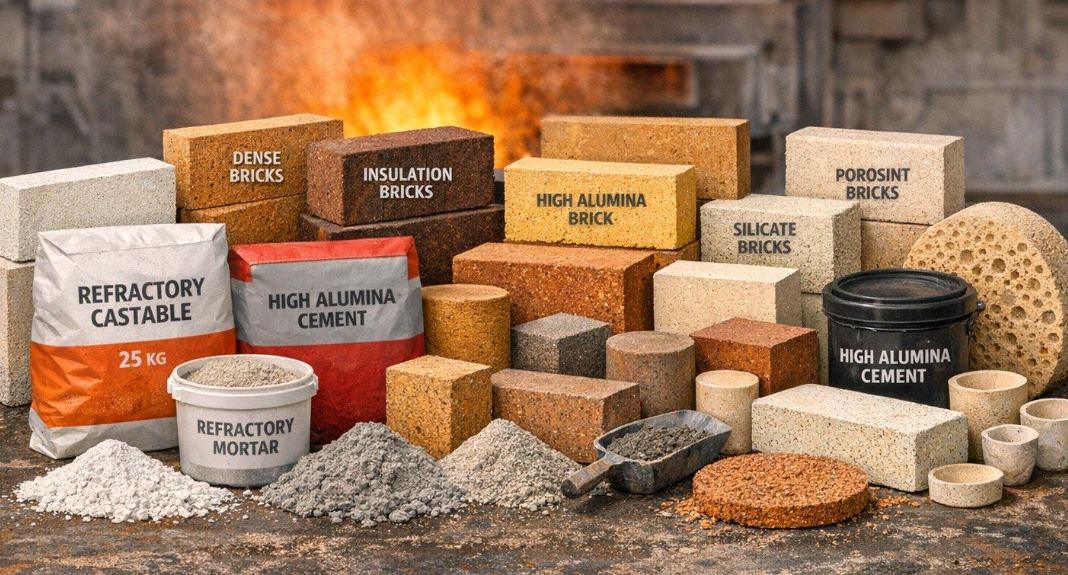
When selecting refractory materials for industrial furnaces, refractoriness is often one of the first properties buyers examine. However, a high refractoriness value does not automatically mean that a material can operate reliably at the same temperature over an extended period.Even materials with similar refractoriness may behave differently under mechanical loads, repeated heating and cooling, gas erosion, or chemical attack. Selecting a material based on a single temperature value may result in deformation, wear, cracking, or premature lining failure.What does refractoriness actually measure? How does it differ from maximum service temperature and refractoriness under load? This article explains the key factors that should be considered when selecting refractory materials for industrial applications.1. What Is Refractoriness?Refractoriness is an important property used to evaluate a refractory material's ability to resist high-temperature effects under specified test conditions. Traditionally, it is assessed through the softening behavior of a test specimen during heating, for example by comparing its behavior with standard pyrometric cones.Refractoriness is not simply the melting point of a material, nor should it automatically be treated as its long-term service temperature.Industrial refractories are generally composed of multiple raw materials, mineral phases, and bonding systems. Their high-temperature behavior depends not only on the main chemical constituents but also on impurities, microstructure, and liquid phases that may form during heating. A refractory can soften, deform, or lose strength before it completely melts.Refractoriness is therefore useful for evaluating a material's basic high-temperature capability, but it cannot serve as the sole criterion for every application.2. What Does Maximum Service Temperature Mean?Maximum service temperature generally refers to an upper temperature limit associated with a particular product and its specified conditions of use. Its precise meaning should be confirmed from the manufacturer's technical documentation, test methods, and recommended application conditions.The actual service temperature is not independent of operating conditions. The same material may face different performance requirements in different equipment, under different loads, or in different atmospheres.For example:A material may meet a specified high-temperature requirement without significant mechanical loading but deform when subjected to sustained loads.A material may withstand high temperatures yet be unsuitable for equipment exposed to frequent, rapid temperature changes.A material may have good refractoriness but suffer accelerated chemical attack when exposed to certain slags, alkaline compounds, or corrosive gases.For these reasons, buyers should confirm what a product's temperature rating represents instead of relying solely on the number displayed in a product description.3. Why Does Higher Refractoriness Not Always Mean Better Performance?Refractory materials in industrial equipment are often exposed to combined thermal, mechanical, and chemical stresses. The following factors can significantly affect their actual performance.3.1 Refractoriness Under LoadSome refractory linings must support their own weight as well as loads from upper structures, materials, or other mechanical forces.Refractoriness under load evaluates how a material deforms when heated under a specified load. Relevant tests examine dimensional changes under combined compressive stress and rising temperature.Refractoriness Under Load Testing for RefractoryFor load-bearing masonry, furnace roof structures, and other mechanically stressed areas, material selection should therefore consider refractoriness under load, structural design, and actual stress conditions—not refractoriness alone.3.2 Thermal Shock ResistanceDuring startup, shutdown, production adjustments, or process changes, furnace linings may experience repeated heating and cooling.Materials differ in thermal expansion, elasticity, microstructure, and resistance to crack formation. If a material cannot accommodate the actual temperature changes, it may develop cracks, spall, or suffer other forms of damage.Thermal shock resistance is particularly important for batch-operated equipment, frequently cycled furnaces, and areas exposed to significant temperature fluctuations.3.3 Resistance to Chemical AttackRefractory materials may come into contact with slag, dust, alkaline compounds, acidic substances, or high-temperature gases.These media may react with the refractory, alter its microstructure, and cause corrosion, penetration, or deterioration.Selection should therefore take account of the materials being processed, slag characteristics, furnace atmosphere, and actual contact conditions. Refractoriness alone cannot establish whether a material is chemically suitable for a particular application.3.4 Abrasion and Mechanical ImpactIn material channels, furnace floors, gas-flow zones, and other high-wear locations, refractory materials may also need to withstand abrasion and mechanical impact.A product with high refractoriness may still have a short service life if it cannot tolerate the wear or impact experienced in the actual installation.Material selection should therefore be based on the main failure risks at the specific installation location rather than on temperature ratings alone.4. Which Properties Matter for Castables, Refractory Bricks, and Insulation Materials?Different material categories serve different functions, so the key selection criteria also differ.Material typeKey propertiesMain selection considerationsRefractory castablesRefractoriness, ambient and hot strength, dimensional stability, abrasion and thermal shock resistanceInstallation method, curing and dry-out, mechanical loads, contact mediaRefractory bricksRefractoriness, refractoriness under load, thermal expansion, chemical resistanceMasonry design, mortar and expansion joints, loading, repair methodCeramic fiber materialsClassification temperature, recommended service temperature, thermal conductivity, shrinkage and installation stabilityHot-face temperature, thickness, fixing system, atmosphere and safety requirementsRefractory plasticRefractory performance, plasticity, workability, fired properties and dimensional stabilityInstallation location, ramming or application method, compatibility with the existing liningThese properties should be evaluated using product-specific technical documentation. Parameters from different manufacturers, formulations, or product grades should not be assumed to be interchangeable.For insulation materials, it is also important to distinguish refractoriness from insulation performance. A material that withstands high temperatures does not necessarily have low thermal conductivity or provide the required insulation effect.5. How Should Refractory Materials Be Selected for Actual Service Conditions?A suitable selection process begins with the equipment's operating conditions and considers temperature, mechanical loading, chemical exposure, and installation requirements.Step 1: Confirm the Actual Temperature ConditionsDetermine the normal operating temperature, peak temperature, rate of temperature change, and startup frequency.It is also important to distinguish between furnace gas temperature, hot-face temperature, and temperatures at different positions within the lining. These values are not necessarily the same.Step 2: Identify the Function of the Installation LocationRefractory materials may serve several purposes, including:A working layer directly exposed to hot materials or slag.Masonry designed to support structural loads.An insulating layer intended to reduce heat transfer.Specialized materials used to fill joints or repair localized damage.Each location has different requirements for strength, abrasion resistance, chemical resistance, and thermal conductivity. A single selection criterion cannot adequately cover every application.Step 3: Review the Product Technical DataReview the product's refractoriness, recommended service temperature, strength, dimensional stability, thermal shock resistance, and environmental suitability.For load-bearing locations, confirm refractoriness-under-load or other relevant high-temperature properties. For areas exposed to aggressive chemical media, prioritize compatibility with the actual materials and atmosphere.If a technical document does not specify a required property, request the relevant test report or technical clarification from the supplier instead of making assumptions.Step 4: Consider Installation and Operating PracticesThe performance achieved in service also depends on installation quality and operating conditions.Refractory castables must be mixed, installed, cured, and dried according to the applicable product requirements. Refractory brickwork requires appropriate control of masonry quality, mortar joints, and expansion joints. Ceramic fiber systems require suitable fixing methods, joint treatment, and operating conditions.Even when a material meets its technical specifications, improper installation or operation outside its intended service conditions can reduce lining life.6. Common Material Selection MistakesMistake 1: Higher refractoriness always means a better material.Refractoriness is only one part of performance evaluation. Depending on the application, strength, thermal shock resistance, abrasion resistance, chemical resistance, and insulation performance may be equally or more important.Mistake 2: The temperature shown on a product label is always its continuous service temperature.Temperature values may represent different test properties or application conditions. Buyers should confirm the meaning of each rating and check the manufacturer's recommended operating range.Mistake 3: Selecting materials based only on peak temperature.Mechanical loads, thermal cycling, contact media, gas erosion, and equipment structure must also be considered.Mistake 4: Using the same refractory material for every high-temperature application.Operating conditions can vary significantly between equipment types and even between different areas of the same furnace. Materials should be matched to their intended functions, and composite linings may be appropriate where the design requires separate working and insulating layers.7. Selecting Tianyi Refractory and Insulation MaterialsXinxiang Tianyi Thermal Insulation Materials Co., Ltd. offers product categories including refractory materials, refractory bricks, refractory plastic, refractory mortar, specialized spray insulation materials, and high-temperature insulation coatings. The suitability of a specific product should be confirmed against its technical documentation and the requirements of the project.If you are selecting materials for an industrial furnace or other high-temperature equipment, prepare the following information:Equipment type and installation location.Normal operating temperature and peak temperature.Mechanical loads, abrasion, or chemical exposure.Existing lining materials and observed damage.Main project priorities, such as service life, insulation performance, ease of installation, or overall cost.This information can help narrow down the appropriate material category and identify the technical parameters that require further verification.8. ConclusionRefractoriness and maximum service temperature are related, but they are not automatically equivalent. Refractoriness evaluates a material's resistance to high-temperature effects under specified test conditions, while actual service performance also depends on mechanical loading, thermal shock, chemical attack, abrasion, installation quality, and equipment operating conditions.For industrial furnaces and other high-temperature equipment, the right approach is not simply to choose the material with the highest refractoriness. Instead, evaluate the key properties according to the material's function and actual service environment.For more information about refractory castables, refractory bricks, refractory plastic, and insulation materials, visit the Xinxiang Tianyi website at https://www.tyjncn.com/ or contact xinxiangtianyi@yeah.net to discuss your project requirements.
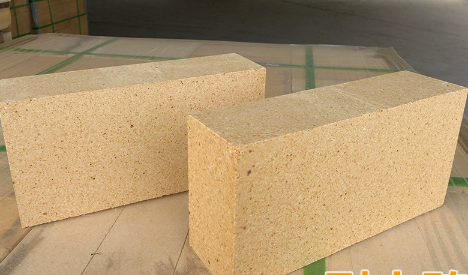
Refractory Castables vs. Firebricks vs. Ceramic Fiber: A Guide to Industrial Kiln MaterialsIn industrial kilns, heat-treatment furnaces, boilers, and other high-temperature equipment, refractory materials must do more than withstand heat. They may also need to resist mechanical loads, gas erosion, chemical attack, abrasion, and repeated heating and cooling.Refractory castables, refractory bricks, and ceramic fiber materials are three common material categories used in industrial thermal equipment. Although all are associated with high-temperature applications, they differ in structure, installation methods, mechanical properties, and insulation performance. They should not be treated as interchangeable products.Understanding their characteristics and limitations helps engineers, maintenance teams, and procurement professionals develop material solutions that balance service reliability, installation requirements, and long-term operating costs.1. What Are Refractory Castables?Refractory castables are unshaped refractory materials generally made from refractory aggregates, fine powders, binders, and selected additives. Depending on the product and installation requirements, they may be placed by casting, vibration, pumping, or other specified methods to form a continuous refractory lining.Compared with preformed refractory bricks, castables offer greater flexibility for complex shapes, irregular structures, and applications where a monolithic lining or localized repair is required.1.1 Key CharacteristicsFlexible installation: Castables can be adapted to complex equipment geometries through appropriate formwork and installation methods.Monolithic construction: When properly installed, they can form a continuous lining with fewer traditional masonry joints.Multiple formulations: Available types include high-strength wear-resistant castables, high-temperature castables, low-cement castables, steel-fiber-reinforced castables, and other specialized formulations.Performance depends on formulation: Refractoriness, strength, abrasion resistance, thermal shock resistance, and chemical resistance vary by product.1.2 Typical ApplicationsRefractory castables are used in cement kilns, industrial boilers, reheating furnaces, incineration equipment, heat-treatment systems, and other high-temperature installations.They can be suitable for complex shapes, areas where bricklaying is difficult, and selected repair locations where the operating conditions permit castable installation.However, a high refractoriness rating alone does not guarantee suitability. Selection should also consider operating temperature, mechanical loads, abrasion, furnace atmosphere, and contact media. The specified mixing procedure, water addition, curing, and dry-out requirements must be followed.2. What Are Refractory Bricks?Refractory bricks are shaped refractory products manufactured from refractory raw materials through forming and appropriate heat-treatment processes. They have defined shapes and dimensions that allow them to be assembled into a designed lining.Common categories include fireclay bricks, high-alumina bricks, silica bricks, magnesia bricks, and other specialized refractory products. Their chemical compositions, mineral structures, and high-temperature properties differ, making each type suitable for particular service conditions.2.1 Key CharacteristicsStructural stability: Suitable for masonry linings that require a stable structure and appropriate load-bearing capacity.Defined dimensions: Facilitate installation according to drawings and replacement plans.Sectional maintenance: Individual damaged bricks may be replaced according to the lining design.Grade-dependent performance: Slag resistance, abrasion resistance, thermal shock behavior, and insulation performance vary considerably among brick types.Not all refractory bricks are dense products. Insulating firebricks are specifically designed to reduce heat transfer, while dense refractory bricks may be selected for working linings exposed to demanding service conditions. Buyers should therefore confirm the intended function rather than relying on the general term “refractory brick.”2.2 Typical ApplicationsRefractory bricks are commonly used in furnace working linings, structural masonry, and high-temperature equipment that requires defined shapes and stable brickwork.For areas exposed to high temperatures, abrasion, or mechanical loads, selection should consider chemical composition, load-bearing behavior at elevated temperatures, resistance to chemical attack, and the overall masonry design.Mortar joints, expansion joints, and connections between different materials must also be properly designed to accommodate thermal expansion and reduce excessive stress.3. What Are Ceramic Fiber Materials?Ceramic fiber materials are lightweight, high-temperature fibrous products commonly supplied as blankets, boards, and modules. Their primary purpose is generally thermal insulation, reducing heat loss through equipment walls and helping lower lining weight.Compared with dense refractory bricks and many dense castables, ceramic fiber products typically have lower bulk density and lower thermal conductivity. This can help reduce heat transfer through a furnace wall. Actual performance depends on product type, density, installed thickness, joint treatment, and operating temperature.3.1 Key CharacteristicsLow weight: Helps reduce the overall weight of a furnace lining.Effective insulation: Suitable for insulation systems designed to reduce heat loss and manage shell temperatures.Flexible product forms: Blankets, boards, and modules can be selected according to the equipment structure.Relatively low thermal mass: In batch or frequently cycled equipment, this may reduce the energy needed to heat the lining during startup.Limited mechanical strength: Conventional ceramic fiber products are generally unsuitable as exposed working surfaces under severe erosion, abrasion, slag attack, or mechanical impact unless a suitable system has been specifically designed for those conditions.3.2 Typical ApplicationsCeramic fiber materials may be used in furnace walls, roofs, the inside of equipment shells, and other locations where lightweight insulation is appropriate.Some composite lining systems use dense refractory materials at the hot face to withstand temperature, wear, and chemical exposure, with suitable insulation installed behind them to reduce heat transfer.Ceramic fiber is not a universal solution for every kiln. Before selecting a product, users should verify its classification temperature, recommended service temperature, atmosphere compatibility, fiber type, installation method, and applicable safety requirements. Classification temperature should not automatically be treated as the recommended continuous operating temperature.4. Main Differences Between the Three MaterialsThe following table summarizes their general characteristics. Actual performance depends on raw materials, formulation, manufacturing processes, and service conditions. Product-specific technical data should be used for project decisions.ComparisonRefractory CastableRefractory BrickCeramic FiberProduct formDry or premixed material, formed during installationPreformed shaped productBlanket, board, module, etc.InstallationCasting, vibration, or other specified methodsMasonry installationLaying, fixing, or module installationShape flexibilityHigh for complex geometriesLimited by brick shapes and masonry designSuitable for many lightweight insulation configurationsMechanical strengthDepends on formulation and installationGenerally suitable for stable masonry structuresGenerally lowInsulation performanceVaries between dense and lightweight typesDense and insulating bricks differ significantlyGenerally a key strengthMaintenanceLocal repair or replacement, depending on conditionsIndividual bricks may be replacedDamaged or degraded sections may be replacedMain considerationsInstallation quality, curing, dry-out, service conditionsGrade selection, masonry quality, joints, expansion designTemperature suitability, fixing, joints, erosion protection5. How to Select Materials for Actual Operating ConditionsRefractory and insulation selection should begin with the equipment's operating conditions rather than product names or a single refractoriness value.5.1 Confirm Operating Temperature and Thermal CyclingFirst, establish the normal operating temperature, peak temperature, rate of temperature change, and startup frequency.Continuous high-temperature service and frequent thermal cycling place different demands on refractory materials. A product may meet the peak temperature requirement but still fail prematurely if its thermal shock resistance, dimensional stability, or installation design is unsuitable.The product's technical data should therefore be evaluated against the actual operating profile.5.2 Evaluate Contact Media and Chemical ConditionsRefractory materials may be exposed to slag, dust, acidic or alkaline compounds, corrosive gases, and other high-temperature media.Different materials have different levels of resistance to these conditions. For example, ceramic fiber should not be selected solely for its insulation performance where the exposed surface faces severe abrasion or slag attack. Likewise, castables should not be selected only because they are convenient to install when the location requires specific structural or wear-resistant properties.Material selection should account for the chemical nature of the contact media, flow velocity, erosion intensity, and observed damage patterns.5.3 Consider Mechanical Loads and AbrasionFurnace floors, material channels, erosion zones, and other mechanically stressed areas require careful assessment of wear resistance, impact resistance, and structural strength.Where the primary function is insulation, a suitable lightweight insulating material may be considered if the temperature and structural conditions allow. Where the lining directly contacts moving materials, slag, or mechanical impacts, the working lining must be designed to withstand those conditions.The key is to assign each material a function that matches its capabilities.5.4 Assess Installation and Maintenance CostsPurchase price is only one part of the total cost. Installation labor, equipment downtime, formwork or anchoring requirements, repair frequency, and service life can all affect the overall economics of a project.For example, castables may simplify the construction of complex shapes, but curing, dry-out, and quality control must be considered. Refractory bricks may allow sectional replacement, but require appropriate masonry design and installation quality. Ceramic fiber can reduce lining weight and heat loss, but its fixing system and service environment must be suitable.A sound evaluation should consider initial material cost together with long-term operating, maintenance, and downtime costs.6. Why Are Composite Linings Common in Industrial Furnaces?Many industrial thermal systems use more than one refractory material because different parts of a lining have different functional requirements.For example, where the equipment design and operating conditions permit:Working layer: Dense refractory bricks or castables may be used to withstand high temperatures, abrasion, or chemical attack.Insulating layer: Insulating firebricks, lightweight castables, or other suitable insulation materials may be selected according to temperature and structural requirements.Backup insulation layer: Ceramic fiber or another lightweight insulating material may be used where permitted by the design and service conditions to reduce heat transfer toward the outer shell.Composite linings allow different materials to perform different functions. However, the same layer arrangement and thickness are not suitable for every furnace.Designers must consider thermal expansion differences, connections between layers, anchoring, joint locations, furnace atmosphere, and possible chemical attack. The material combination should be based on the equipment design and actual service conditions rather than simply stacking products together.7. What Information Is Needed Before Selecting Refractory Materials?To make a more accurate recommendation, customers and project engineers should prepare the following information:Equipment type: Industrial kiln, heat-treatment furnace, boiler, or other high-temperature equipment.Operating temperature: Normal temperature, peak temperature, and startup or shutdown conditions.Installation location: Roof, wall, floor, pipeline, or localized repair area.Contact media: Dust erosion, slag, corrosive gases, or other special media.Existing lining condition: Material type, thickness, damaged locations, and observed failure patterns.Installation conditions: Whether casting, bricklaying, spraying, or ceramic fiber module installation is feasible.Project priorities: Service life, heat-loss reduction, weight reduction, shorter downtime, or overall cost.Equipment drawings, site photographs, and existing material data sheets can also help narrow down the options and prevent decisions based on a single parameter.8. ConclusionRefractory castables, refractory bricks, and ceramic fiber materials each serve different functions in industrial furnaces. Castables offer flexibility for monolithic construction and complex geometries. Refractory bricks provide shaped units for stable masonry linings. Ceramic fiber materials are primarily used for lightweight insulation where temperature and structural conditions are suitable.There is no single material that is best for every application. A reliable solution requires consideration of temperature, chemical environment, mechanical loads, insulation requirements, installation conditions, and maintenance costs.Xinxiang Tianyi Thermal Insulation Materials Co., Ltd. offers a range of refractory and insulation materials.Customers can discuss suitable material options based on their equipment type, operating environment, and project requirements.For more information, visit https://www.tyjncn.com/ or contact xinxiangtianyi@yeah.net.
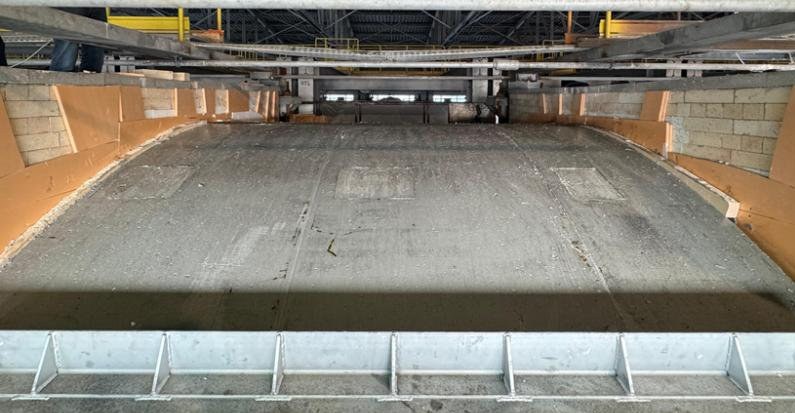
1. IntroductionGlass furnaces operate under demanding high-temperature conditions. Their refractory linings must withstand thermal stress, chemical attack, and temperature fluctuations throughout their service life. Refractory castables are widely used in selected furnace structures, repair areas, and other locations where a monolithic refractory lining is required.However, selecting a suitable refractory castable is only part of the process. Improper water addition, inadequate mixing, poor placement, insufficient curing, or an unsuitable dry-out schedule can compromise the integrity and service life of the lining.For this reason, successful refractory castable installation requires coordinated control of material properties, installation procedures, site conditions, and quality inspections.2. Common Installation Problems and Preventive Measures2.1 Incorrect Water AdditionThe amount of mixing water directly affects the workability and hardened properties of refractory castables.Excessive water may increase porosity, reduce strength, and adversely affect performance at elevated temperatures. Insufficient water, on the other hand, may make the material difficult to place and prevent it from adequately filling formwork and complex geometries.Preventive measures:Follow the mixing-water range specified in the product technical documentation.Use calibrated measuring equipment to control water addition.Consider site conditions without making unauthorized changes to the mix design.Never add extra water indiscriminately to improve workability.Low-cement and ultra-low-cement castables may require specific mixing and installation procedures. The manufacturer's instructions should always take precedence.2.2 Inadequate MixingInsufficient mixing or an unsuitable mixing duration can result in uneven distribution of aggregates, fine particles, and binders. This may affect material consistency and the properties of the hardened lining.Preventive measures:Use a suitable forced-action mixer designed for refractory castables.Follow the specified mixing sequence and duration.Maintain consistent batch sizes and mixing procedures.Do not retemper material that has exceeded its permitted working time by adding water.A controlled mixing process helps maintain consistent material quality and reduces variations between batches.2.3 Poor Compaction and Internal VoidsIf refractory castable does not adequately fill the formwork, corners, or spaces around embedded components, honeycombing, voids, or locally weak areas may develop.These defects can reduce lining integrity and become potential points of failure during high-temperature operation and thermal cycling.Preventive measures:Inspect formwork rigidity, sealing, and dimensions before placement.Ensure adequate access for placing and compacting the material.Select the appropriate vibration method according to the castable's properties.Avoid excessive vibration that could cause segregation.Pay particular attention to corners, narrow spaces, and areas around embedded components.Self-flowing castables and other specially formulated products may require different installation methods. Conventional vibration procedures should not be applied automatically to every castable type.2.4 Insufficient CuringAfter placement, refractory castables need suitable conditions to develop their initial hardened structure. Temperature, humidity, curing duration, and binder chemistry all influence this process.Insufficient curing may mean that the material has not reached the required condition for demolding or subsequent work. This can increase the risk of edge damage, surface deterioration, and other defects.Preventive measures:Follow the curing conditions specified in the product documentation.Protect the castable against premature moisture loss and unsuitable environmental conditions.Adjust site arrangements to account for ambient temperature without arbitrarily shortening the required curing period.Confirm that the material meets the applicable requirements before demolding or proceeding with subsequent operations.Curing requirements can vary considerably between different binder systems. The procedure should therefore be based on the specific product being installed.2.5 Cracking or Spalling Caused by Improper Dry-OutRefractory castables may contain mixing water and moisture associated with the hardening process. During heating, restricted moisture release or a heating rate that exceeds the lining's capabilities can generate excessive internal vapor pressure and temperature gradients.These conditions may lead to cracking, localized spalling, or more serious lining damage.Preventive measures:Confirm that the required curing and other preparatory conditions have been completed before dry-out.Develop a heating schedule based on castable type, lining thickness, furnace geometry, and moisture-release conditions.Control the heating rate appropriately in critical temperature ranges and incorporate holding periods where required.Monitor the process using suitable temperature measurements and project-specific procedures.Avoid applying a generic heating schedule without evaluating the actual installation.Thick linings, complex structures, and large glass furnaces may require a dedicated dry-out plan developed for the specific project.3. A Practical Quality Control Process for Glass Furnace Refractory CastablesA structured quality control process helps reduce installation risks and improve consistency.Step 1: Pre-installation inspectionVerify the material grade, batch information, storage conditions, and technical documentation. Inspect the installation area, formwork, anchors, and other relevant structural conditions.Step 2: Mixing controlFollow the specified water addition, mixing sequence, and working time. Record critical parameters for each batch.Step 3: Placement and forming inspectionCheck material filling, formwork stability, compaction quality, and construction joints. Correct identifiable installation defects before the material hardens whenever possible.Step 4: Curing and demolding inspectionComplete curing according to the product requirements. Inspect accessible surfaces and edges, and confirm that the lining is suitable for the next operation.Step 5: Dry-out and pre-operation acceptanceFollow the dry-out procedure appropriate to the material and furnace structure. Inspect for visible cracks, localized spalling, and other abnormalities, and evaluate the findings against the project's acceptance criteria.When defects are identified, their causes should be assessed before selecting a repair method. Covering a defect without evaluating its severity may leave the underlying problem unresolved.4. How to Select a Suitable Refractory Castable for a Glass FurnaceRefractory castable selection should be based on the intended application and operating conditions rather than maximum service temperature alone.Important considerations include:Operating temperature: Confirm that the material meets the actual thermal requirements of the application.Chemical exposure: Evaluate compatibility with molten glass, furnace gases, dust, and other relevant media.Thermal shock: Consider temperature fluctuations, furnace start-ups, shutdowns, and localized thermal stresses.Structural and installation requirements: Account for lining thickness, available working space, anchoring arrangements, and placement methods.Application area: Different furnace zones have different operating conditions and may require different refractory solutions.Refractory castables should not be treated as universal materials for every area of a glass furnace. Critical locations, particularly those in direct contact with molten glass or performing specialized functions, require specific evaluation against the design and operating conditions.5. How Proper Installation Supports Longer Furnace Service LifeProper refractory castable installation helps maintain lining integrity, reduce damage associated with installation defects, and provide a more reliable foundation for long-term furnace operation.Material selection, installation quality, and dry-out procedures are closely interconnected. Selecting a higher-grade material alone does not guarantee improved service life if installation practices and quality management are inadequate.By maintaining installation records, inspecting critical operations, and analyzing damage observed during service, glass manufacturers and furnace maintenance teams can continuously improve refractory selection and reduce the risk of unplanned repairs.6. ConclusionThe performance of refractory castables in glass furnaces depends on both material properties and the quality of installation.From mixing and placement to curing and dry-out, a well-controlled installation process helps minimize defects, improve lining reliability, and support stable long-term furnace operation.If you are planning a new glass furnace, a furnace maintenance project, or a refractory lining upgrade, selecting the appropriate materials requires consideration of the operating environment, structural design, and installation conditions.Tianyi Insulation Materials focuses on refractory materials and industrial furnace insulation solutions. We welcome inquiries from glass manufacturers, furnace maintenance companies, refractory contractors, and engineering partners interested in material supply and technical cooperation for glass furnace projects.Contact our team to discuss your project requirements and explore suitable refractory material solutions.
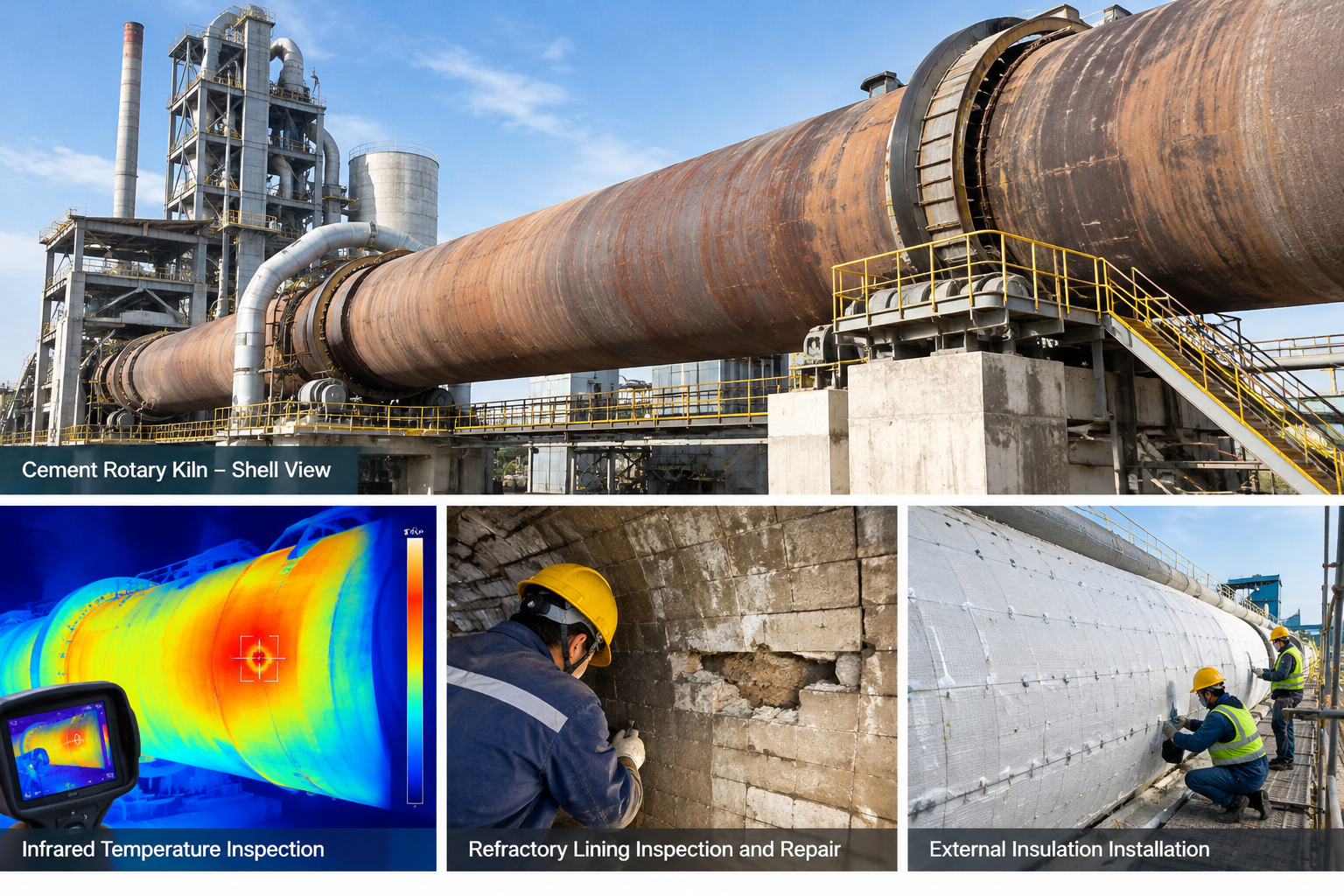
The cement rotary kiln is a key thermal processing unit in cement clinker production. During operation, the refractory lining separates the steel shell from the high-temperature internal environment and helps protect the shell.Changes in lining thickness, integrity, or thermal performance can alter heat transfer through the kiln structure. When operators observe a localized shell temperature that differs noticeably from surrounding areas, the condition should be assessed in the context of actual operating conditions.However, a high shell temperature does not automatically mean that the insulation is inadequate or that refractory bricks have failed. Measurement location, kiln load, rotation speed, combustion conditions, and measurement equipment can all influence the results.A reliable investigation begins by identifying the affected area and then reviewing temperature trends, operating records, and inspection findings.1. Changes in the Refractory Lining May Affect Heat TransferThe refractory lining inside a rotary kiln is exposed to high temperatures, material abrasion, thermal cycling, and chemical attack. The service conditions vary between kiln zones, so the types of lining wear may also differ.If refractory bricks become worn, detached, cracked, or locally missing, the lining may provide less protection and heat transfer through the affected area may change.During an investigation, consider:Whether the affected area corresponds to previously identified hot spots.Whether the temperature change is persistent or temporary.Whether refractory damage or repairs have previously been recorded in that location.Whether operating changes occurred at the same time.Whether maintenance records show recurring problems in the same area.If lining damage is suspected, the condition should be verified through appropriate technical assessment rather than judged solely from the external shell temperature.2. Why Should Temperature Trends Be Reviewed Instead of One Reading?Shell temperature monitoring can support maintenance planning, but measurement consistency is essential.Changes in measurement location, surface conditions, kiln load, or operating procedures may affect the readings.To improve the usefulness of monitoring:Use consistent measurement locations. Where practical, keep measurement positions and methods consistent so that readings can be compared over time.Review trends. Determine whether the temperature anomaly is persistent, increasing, or associated with changes in operating conditions.Compare production parameters. Review temperature records alongside kiln speed, feed rate, combustion conditions, and other relevant operating information.Check the measurement equipment. Confirm that instruments are being used under appropriate conditions.The purpose of temperature monitoring is not simply to identify hot spots. It is also to help maintenance teams recognize changes and determine where further investigation is needed.3. What Should Be Done When a Localized Hot Spot Is Detected?The response should depend on the severity and trend of the anomaly, as well as the kiln's operating conditions.First, verify the measurements and identify the affected area. This helps avoid incorrect conclusions caused by measurement errors.Next, review operating records to determine whether changes in production load, combustion adjustment, or other factors may have influenced the temperature distribution.Qualified technical personnel should then assess the condition and determine whether further inspection or operational action is required.If the anomaly persists, increases rapidly, or is accompanied by other warning signs, follow the plant's established equipment-safety procedures. Decisions involving shutdown, load reduction, or other operational changes should be made by responsible operating and safety personnel, not on the basis of a single temperature reading.Where shutdown inspection is required, the repair or replacement scope should be determined from the actual condition of the refractory lining.4. What Matters When Repairing the Refractory Lining?When inspection confirms refractory damage, the repair plan should reflect the damaged location, severity, operating conditions, and existing structure.Identify the damaged area. Record missing material, cracks, wear, and other visible defects. Determine whether the damage is localized or more extensive.Select materials for the service conditions. Different zones may experience different temperatures, material contact, mechanical loads, and chemical environments. Refractory bricks, castables, and repair materials should be selected according to the actual conditions and design requirements.Inspect adjacent structures. Check surrounding lining, joints, and related components rather than focusing exclusively on the visibly damaged area.Follow the specified installation and curing procedures. Preparation, installation, curing, drying, and subsequent heating should comply with the product documentation and project requirements.Keep repair records. Photographs, material information, installation records, and subsequent operating observations can help improve future maintenance planning.5. Can External Insulation Alone Solve a Localized High-Temperature Problem?This distinction is important in rotary kiln maintenance.External insulation is primarily intended to reduce heat loss from equipment to the surrounding environment. If a localized high temperature is caused by refractory damage, structural abnormalities, or changes in operating conditions, adding external insulation cannot replace investigation of the underlying cause.Covering an abnormal area before identifying the cause may also make subsequent observation more difficult.External insulation should therefore be selected according to the equipment structure, actual surface temperature, material suitability, and project design. Where an external insulation upgrade is appropriate, materials should be chosen and installed in accordance with the specified requirements.For cement kilns, industrial furnaces, and high-temperature pipelines, insulation planning should also consider the surrounding environment, inspection access, and future monitoring needs.6. Integrating Temperature Monitoring, Refractory Maintenance, and Insulation ManagementReliable cement rotary kiln operation depends on routine monitoring, refractory maintenance, and well-planned inspections.Consistent records of shell temperature changes help identify areas requiring attention. When combined with lining inspections and operating data, these records provide a stronger basis for selecting materials and defining the repair scope.Xinxiang Tianyi Refractory Materials Co., Ltd. specializes in refractory and insulation materials, including refractory castables, refractory plastic, refractory bricks, and related high-temperature insulation products. Material selection and technical discussions can be arranged according to specific project requirements.If your cement rotary kiln requires refractory lining maintenance, localized repairs, or an external insulation upgrade, contact us to discuss the operating conditions, repair locations, and project requirements.
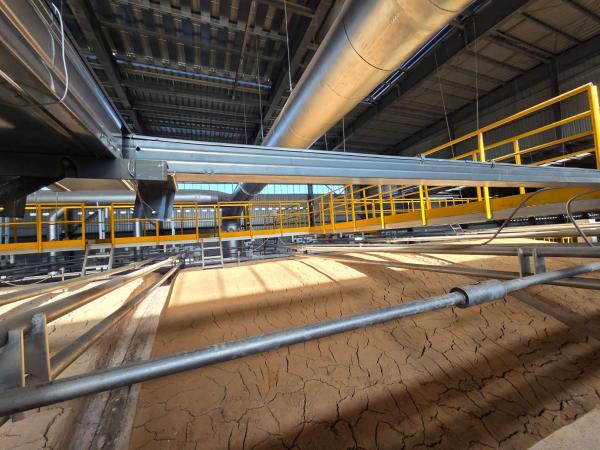
1. Why Do Refractory Materials Crack in Glass Furnaces?Glass furnaces operate under demanding high-temperature conditions. Refractory linings must withstand thermal loads, temperature fluctuations, mechanical stress and, in some areas, chemical attack.Over time, these conditions may contribute to cracking, spalling or localized refractory damage.A crack does not automatically indicate complete lining failure. Its location, depth, development and potential impact on furnace safety should be evaluated before selecting a repair method.2. Five Common Causes of Refractory CrackingThermal Stress: Temperature changes during furnace operation can cause expansion and contraction. Inadequate allowance for thermal movement may increase local stress.Unsuitable Material Selection: Different furnace zones require different combinations of refractoriness, thermal shock resistance, strength and corrosion resistance.Installation Problems: Substrate preparation, water control, compaction, curing and dry-out procedures can significantly affect the performance of castables and plastic refractories.Chemical Attack: Molten glass, volatile compounds and furnace dust may react with refractory materials, weakening their structure over time.Structural Movement: Deformation or uneven loading can concentrate stress in specific areas. Repairing the visible crack alone may not address the underlying problem.3. What Should Be Inspected Before Repair?Before planning repairs, examine the following:Crack location and affected furnace sectionCrack width, depth, length and associated spallingRecent temperature changes and abnormal operating conditionsOriginal refractory grade and installation historyPossible structural deformation or loose refractory componentsCracks that continue to grow, extensive spalling or damage affecting structural integrity require professional assessment before repair decisions are made.4. Repair Considerations for Different Refractory MaterialsRefractory Castables: Assess the damaged area, substrate condition and compatibility between existing and replacement materials before carrying out localized repairs.Plastic Refractories: Select materials according to the actual service temperature, installation requirements and compatibility with the existing lining.Refractory Brickwork: Inspect brick movement, damaged joints, spalling and possible structural deformation. Filling joints alone may not resolve damage caused by structural movement.The repair material should always be selected according to the specific operating environment and the condition of the existing lining.5. How to Reduce the Risk of Recurring DamageSelect refractory materials according to the operating conditions of each furnace zone.Follow the specified installation, curing and dry-out procedures.Provide appropriate expansion joints in accordance with the design.Monitor furnace temperatures and changes in critical areas.Investigate the root cause of damage during maintenance rather than relying solely on surface repairs.Refractory service life depends on material quality, furnace design, installation workmanship, operating conditions and maintenance practices.6. Tianyi Refractory Materials and Furnace Maintenance SolutionsTIANYI REFRACTORY MATERIALS CO., LTD. supplies refractory castables, plastic refractories, refractory bricks, ceramic fiber products and related industrial insulation materials.We are currently involved in a glass furnace refractory and insulation project in Lima, Peru. We welcome cooperation with glass manufacturers, furnace maintenance contractors, refractory distributors and industrial kiln engineering companies.If you are dealing with refractory cracking, localized spalling or material selection challenges, please share photos of the damaged area, operating temperature, existing refractory grade and repair requirements. Our team can discuss suitable material options for your project.
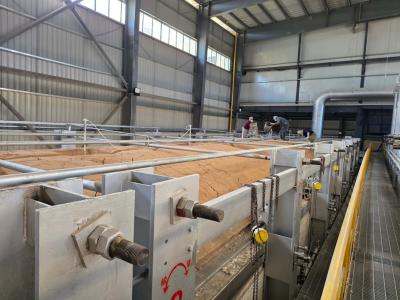
1. Why Are Regenerator Checker Bricks Important?The regenerator is an important component of many glass furnaces. Checker bricks absorb heat from exhaust gases and transfer the stored heat to incoming combustion air after the flow direction is reversed, improving thermal energy utilization.During long-term operation, checker bricks may be affected by dust, condensed volatile compounds, alkaline deposits, and other materials carried by the exhaust gas. These deposits can gradually reduce the effective flow area and, in severe cases, obstruct the gas passages.Reduced regenerator performance can affect furnace thermal conditions, complicate combustion control, and potentially increase energy consumption.2. Common Causes of Checker Brick BlockageDust and particulate depositionDust and other particles carried by exhaust gases may accumulate on checker brick surfaces, reducing the available flow area.Alkaline vapor and condensate depositsUnder certain temperature conditions, volatile compounds in exhaust gases may condense or react to form deposits. The actual mechanism depends on the glass batch composition, fuel, gas temperature, and checker brick material.Local checker brick damageLong-term thermal cycling, chemical attack, and mechanical stress may cause cracking, spalling, or partial collapse. Detached fragments can further obstruct gas passages.Uneven gas distributionDifferences in temperature, gas flow, and deposit accumulation may cause certain sections of the regenerator to become blocked more readily than others.3. Potential Effects of Checker Brick BlockageRestricted passages may lead to:Increased resistance to exhaust gas or combustion air flow.Reduced heat recovery performance.Changes in combustion air preheat temperature or flue gas temperature distribution.More difficult furnace combustion adjustment.Potential increases in fan load and energy consumption.These symptoms are not exclusive to checker brick blockage. Abnormal temperatures, pressure changes, or increased fuel consumption may also result from combustion system issues, reversing equipment problems, air leakage, or measurement errors.4. How to Inspect and Maintain Regenerator Checker BricksStep 1: Monitor operating parameters.Track inlet and outlet temperatures, pressure or differential pressure, combustion air preheat temperature, and changes before and after reversal. Trend analysis is generally more informative than relying on a single temperature reading.Step 2: Inspect the checker passages.During a planned furnace shutdown, inspect accessible areas for significant deposits, blocked passages, cracking, deformation, or other visible damage, subject to site safety requirements.Step 3: Select a suitable cleaning method.Cleaning methods should be selected according to deposit composition, checker brick material, blockage severity, and equipment conditions. Aggressive mechanical or chemical cleaning should not be used without technical assessment, as it may damage the refractory structure.Step 4: Evaluate repair or replacement needs.Where checker bricks show severe damage, chemical attack, or insufficient structural integrity, evaluate localized repair or replacement based on the remaining service life and shutdown schedule.5. Refractory Selection and Maintenance PlanningRegenerator checker bricks operate under high temperatures, repeated thermal cycling, and complex flue gas conditions. Material selection should consider service temperature, thermal shock resistance, chemical corrosion resistance, load-bearing performance, and the actual gas composition.Glass manufacturers and furnace maintenance contractors should develop maintenance plans based on operating records, observed refractory damage, and planned shutdown intervals rather than waiting for major operational problems to occur.6. Tianyi Refractory MaterialsTIANYI REFRACTORY MATERIALS CO., LTD. specializes in the development, production, and sales of refractory and insulation materials. Our product range includes refractory castables, plastic refractories, refractory bricks, ceramic fiber products, and other high-temperature materials.We welcome technical discussions with glass manufacturers, furnace maintenance contractors, and refractory engineering companies regarding regenerator maintenance, refractory material selection, and furnace insulation projects.Planning a glass furnace maintenance or refractory renovation project? Contact us to discuss your requirements and potential cooperation.
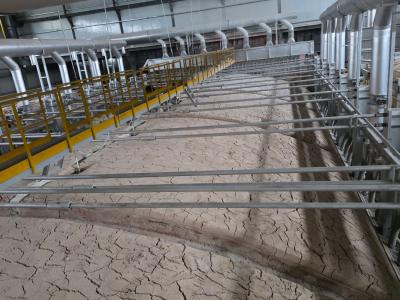
Multilayer Insulation Work Progresses on a Glass Furnace Project in PeruGlass furnaces operate under sustained high-temperature conditions. The main crown and regenerator crown are important areas to consider when planning refractory maintenance and insulation work.The performance of an insulation system depends not only on material selection but also on the coordination of individual layers, structural interfaces, and construction quality.At a glass furnace project in Peru involving Xinxiang Tianyi Refractory Materials Co., Ltd., multilayer insulation work on the main crown and regenerator crown is progressing according to the construction plan. The silica refractory plastic layer and high-temperature material layer have been completed, while installation of the intermediate-temperature layer continues.Current construction progress:First layer: 30 mm silica refractory plastic — completed.Second layer: 100 mm high-temperature material — completed.Third layer: 100 mm intermediate-temperature material — approximately 50% completed.The project is progressing from the initial refractory layer toward the completion of the multilayer insulation structure. As work continues, attention remains on material coverage, specified thickness, continuity, and the interfaces between completed and unfinished areas.1. Why Does a Glass Furnace Crown Require a Properly Designed Multilayer Insulation System?The main crown of a glass furnace operates under demanding thermal conditions. Its insulation system must be designed according to the structure and the actual service requirements.Simply increasing the thickness of one material does not necessarily guarantee the performance of the complete system. Different materials have different temperature capabilities, thermal conductivity characteristics, expansion behavior, and installation requirements.A multilayer system should therefore be designed so that each material performs its intended function while maintaining appropriate interfaces with adjacent layers.Important considerations include:Material compatibility: Each layer should suit its intended location and be consistent with the overall design.Structural continuity: Avoid uncovered areas, unintended gaps, and discontinuities in the insulation system.Thickness control: Install each layer according to the project drawings and technical requirements.Construction access: Consider the curved surfaces, edges, and transitions of the furnace crown when planning installation.2. First Layer Completed: 30 mm Silica Refractory PlasticThe first layer of 30 mm silica refractory plastic has been completed.The precise function of silica refractory plastic depends on its formulation, specified application, and the design of the furnace structure. In glass furnace projects, installation quality is closely related to substrate conditions, uniform application, and compliance with the specified construction method.After this stage, the installed surface should be inspected for visible defects and continuity. The next layer should proceed in accordance with the project requirements and the relevant technical instructions.On curved structures such as furnace crowns and regenerator crowns, particular attention should be given to edges, connection areas, and irregular sections where installation access may be limited.3. Second Layer Completed: 100 mm High-Temperature MaterialThe second layer, with a specified thickness of 100 mm, has been completed.The selection of high-temperature materials should reflect the operating conditions of the intended area and the engineering requirements of the project.After installation, inspection should cover more than the material type and nominal thickness. The continuity of coverage and the condition of the completed surface should also be reviewed.Key inspection points include:Continuous coverage of the completed area.Thickness consistent with the design requirements.Proper treatment of edges, corners, and structural transitions.Protection of completed sections during subsequent work.Appropriate construction records and photographs.Stage-by-stage inspection helps identify visible defects before they are covered by subsequent layers and can reduce the risk of unnecessary rework.4. Third Layer in Progress: 100 mm Intermediate-Temperature MaterialApproximately half of the third layer, specified at 100 mm, has been completed, and installation is continuing.As this layer progresses, the construction team should maintain continuity between work sections and carefully coordinate completed areas with those still under installation.At crown edges, connections around the regenerator crown, and changes in structural geometry, the installation thickness and material distribution should follow the approved design. Localized gaps, uneven thickness, and insufficient joint treatment should be avoided.Construction sequence and inspection are equally important in a multilayer insulation system. Each completed section should be checked and documented before the work advances.Actual installation procedures must follow the project drawings, product technical documentation, and site instructions. The specific function or suitability of a material should not be inferred from its name alone.5. Why Is Construction Documentation Important for Glass Furnace Insulation?Glass furnace maintenance often involves several coordinated construction stages. Reliable records help project stakeholders track progress and verify material use and workmanship.Useful records include:Material names, specified thicknesses, and completion status for each layer.Construction progress in different areas of the main crown and regenerator crown.Treatment of edges, joints, and structural transitions.Photographs taken after each major stage.Issues identified during construction and the corresponding corrective actions.Final acceptance should be based on the project specifications and actual site conditions. Layer count and thickness are important, but continuity, structural compatibility, and installation quality also need to be considered.6. Supporting Glass Furnace Insulation Projects Through Material and Technical CoordinationGlass furnace insulation projects require coordination between refractory materials, insulation materials, and on-site construction management. The appropriate material combination and construction method should be determined according to operating conditions, structural design, and project requirements.Xinxiang Tianyi Refractory Materials Co., Ltd. specializes in refractory and insulation materials, including refractory plastic, refractory castables, refractory bricks, and related high-temperature insulation products. Material selection and technical discussions can be arranged according to specific project needs.Multilayer insulation work on the main crown and regenerator crown of the glass furnace project in Peru is continuing. Through project documentation, we aim to share practical insights into material applications, construction progress, and quality management for glass furnace insulation projects.If your glass furnace is preparing for maintenance, refractory replacement, or an insulation upgrade, please contact us to discuss your project requirements and suitable material solutions.
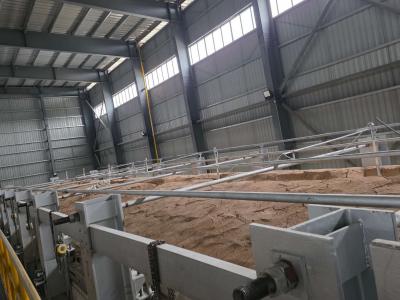
Why Should Expansion Joint Treatment Never Be Overlooked?Glass melting furnaces operate under sustained high-temperature conditions. During service, furnace structures experience thermal expansion and temperature changes. The design and installation of furnace crowns, regenerator crowns, and surrounding structures must account for the movement characteristics of different sections.During furnace maintenance and insulation upgrades, expansion joints and other interfaces therefore require careful attention.Insulation affects heat loss, but the integrity of the overall construction also matters. Improper joint treatment or localized gaps in the insulation system may create weak points even when the surrounding areas have been installed correctly.Expansion joint treatment and second-layer insulation are not merely finishing operations. They are important parts of overall construction quality control.1. Why Do Glass Furnaces Need Proper Expansion Joint Treatment?Expansion joints accommodate structural movement associated with temperature changes. Their locations, dimensions, and treatment methods depend on the structural design, operating conditions, and materials used in each section.If the original joint design is changed without proper assessment, or if an unsuitable rigid material is used to fill a joint, normal structural movement may be restricted. This can increase local stress and affect the stability of adjacent refractory structures.On the other hand, inadequate joint treatment may leave gaps or interrupt the continuity of the insulation system.Before construction begins, the function and design requirements of each joint should be confirmed. Not every gap should be filled in the same way, and designated movement spaces should not be blocked without an appropriate engineering basis.2. What Should Be Considered When Filling Expansion Joints?Confirm the joint function. Some joints must accommodate movement, while others require sealing or filling according to the design. The construction team should identify the purpose of each joint before selecting a treatment method.Select suitable materials. Material selection should consider the local temperature, adjacent materials, expected movement, and project specifications. Temperature resistance alone is not sufficient; flexibility, thermal stability, installation method, and compatibility with surrounding materials also matter.Avoid creating new weak points. Joint filling should follow the specified method to minimize unintended voids, missing material, or discontinuities. Care should also be taken not to damage previously completed refractory or insulation layers.Document concealed work. Once the next insulation layer is installed, joints may no longer be visible. Photographs and records of joint locations, treatment methods, and materials can support future inspection and maintenance.3. Why Does the Second Insulation Layer Require Careful Inspection?In a multilayer glass furnace insulation system, each layer must perform its intended function as part of the overall design.After the first insulation layer is completed, the construction team should inspect continuity, joint conditions, and visible defects before proceeding with subsequent work.The second layer is not simply an opportunity to add thickness. It should contribute to a continuous insulation structure and address interfaces between adjacent areas according to the approved construction plan.Several issues require attention:Localized gaps: Areas that have not been covered as specified may become weak points in the insulation system.Misaligned joints: Poorly arranged joints between layers may create continuous paths of reduced insulation performance.Uneven thickness: Structural irregularities or inconsistent installation may result in thicknesses that differ from the design.Missed interfaces: Corners, edges, supports, and transition areas may be overlooked during installation.Construction damage: Subsequent work may compress, displace, or damage previously installed material.Before installing the second layer, the first layer and expansion joint treatment should be checked against the project requirements.4. Why Should Furnace Crown and Regenerator Crown Areas Be Inspected Separately?Although both are important parts of a glass furnace, the main crown and regenerator crown may differ in geometry, surrounding connections, and operating conditions.A uniform surface treatment should not replace an inspection based on the characteristics of each area.Main crown: Check structural continuity, edge transitions, joint treatment, and localized gaps in the insulation.Regenerator crown: Review connections to surrounding structures, joint locations, irregular sections, and insulation interfaces.Transition areas: Confirm compatibility between adjacent materials, required reserved spaces, and protection of completed work during subsequent construction.Inspection requirements should be based on the project drawings and actual site conditions. Structural details and material combinations should not be copied from one furnace to another without verification.5. How Can Construction Quality Be Tracked More Effectively?Site documentation helps construction teams identify problems and supports technical communication among the owner, contractor, and material supplier.A practical record should include:Before construction: Document the original condition of the main crown, regenerator crown, and relevant joints.After joint treatment: Photograph the joints before and after filling and record the materials and locations.After the first insulation layer: Inspect continuity, visible defects, and joint conditions.After the second insulation layer: Check coverage, thickness, interfaces, and reserved areas against the design.At final inspection: Review the completed work against drawings, material requirements, and site records. Complete any further inspection required by the project.If an abnormal area is identified, its location and structural condition should be verified before a corrective measure is selected.6. Coordinating Material Selection with On-Site ConstructionGlass furnace insulation projects require coordination between refractory structures, joint treatment, and multilayer insulation materials. Improving the performance of a single product does not automatically guarantee the performance of the complete system.A suitable solution should consider operating temperature, structural geometry, joint design, material compatibility, installation access, and future maintenance requirements.Xinxiang Tianyi Refractory Materials Co., Ltd. specializes in refractory and insulation materials. The company can discuss material selection and project requirements for glass furnace crowns, regenerators, and other high-temperature sections.If your glass furnace is undergoing crown insulation work, regenerator maintenance, or an energy-saving upgrade, contact us to discuss your structure, installation area, and existing materials.
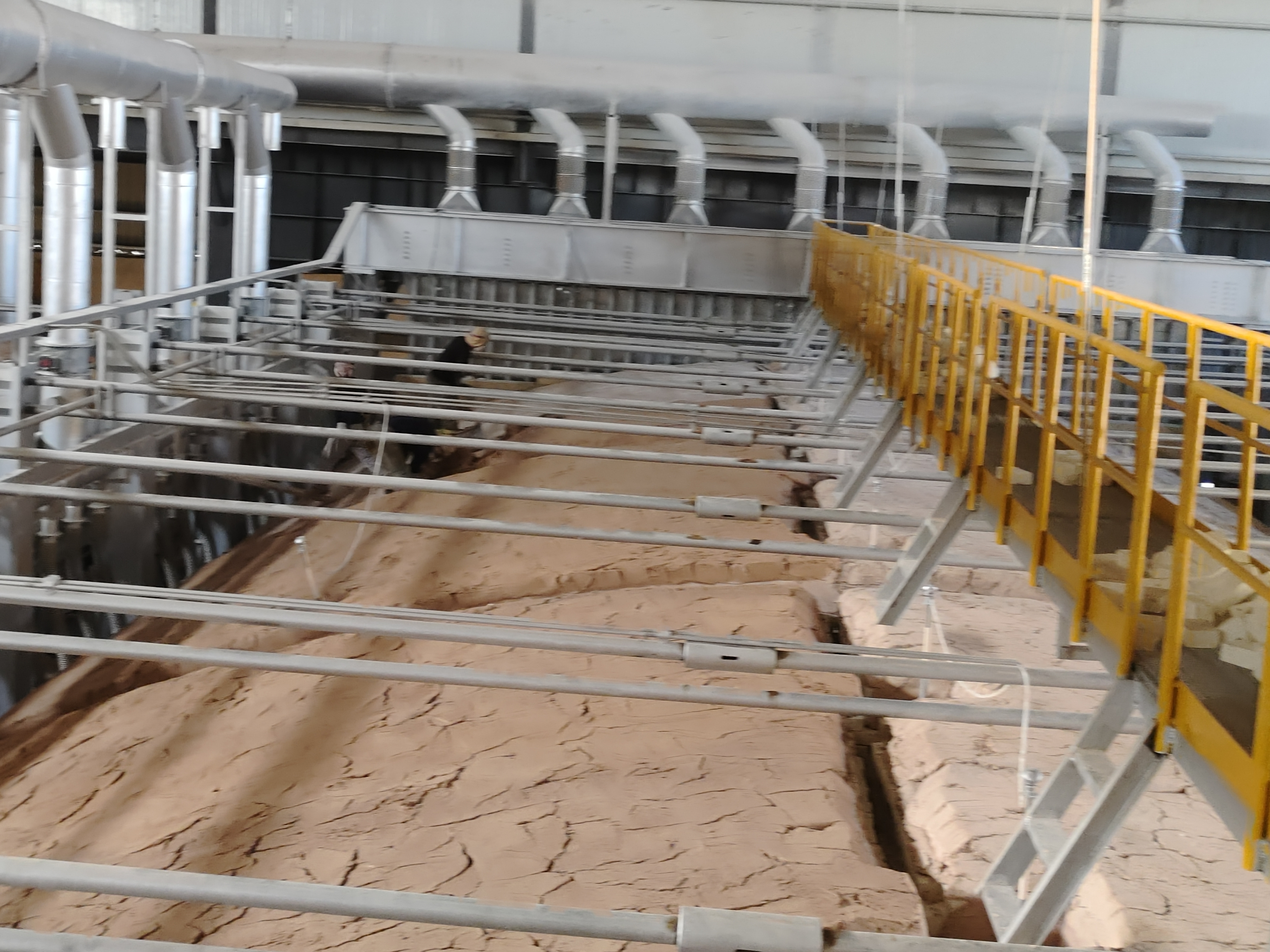
Why Is Material Thickness Not the Only Factor in Glass Furnace Crown Insulation?A glass melting furnace operates under sustained high-temperature conditions. The furnace crown is an important structural area exposed to thermal radiation and repeated temperature changes. During long-term operation, the furnace may experience material aging, localized damage, and changes in insulation performance.During furnace maintenance and energy-saving upgrades, adding insulation may be part of the solution, but the overall result also depends on construction quality. Inadequate surface preparation, poor interface treatment, or improper integration between material layers can compromise the performance of the completed structure.For this reason, crown insulation work should begin with a proper assessment of the existing surface and continue through refractory installation, insulation-layer integration, and final inspection.1. Why Is Proper Surface Preparation Essential?After the removal of old insulation, the substrate should be inspected and cleaned. Loose residues, dust, and other contaminants that may interfere with subsequent construction should be removed.Residual old material or surface contamination can weaken the interface between the existing structure and newly installed materials. It may also make future inspection and repair more difficult.Key considerations include:Removing loose material: Eliminate unstable residues that could become weak points beneath the new installation.Inspecting damaged areas: Identify cracks, missing sections, loose material, and other visible defects before deciding on repairs.Confirming site conditions: Ensure the substrate meets the requirements specified for the selected material.Recording the work: Take photographs before and after cleaning to support quality tracking and project documentation.Surface preparation is not simply a cleaning task. It provides the foundation for reliable installation and subsequent quality control.2. How Should Silica Mortar and Other Interface Materials Be Used?Some glass furnace insulation systems may include silica mortar or other interface materials. Their suitability and application locations should be determined by the project design, substrate material, and technical instructions for the selected products.Interface materials cannot replace proper surface preparation or compensate for every structural defect. Loose areas, voids, or significant damage should be inspected and addressed before the new material is applied.Construction teams should consider material compatibility, uniform application, installation timing, and the relationship between adjacent layers. At transitions between different materials, thermal expansion behavior and structural requirements should also be reviewed.The operating temperature and service conditions can vary between different furnace sections. Material selection should therefore be based on the actual application rather than the product name alone.3. Key Considerations for Refractory Plastic Installation on the Furnace CrownThe furnace crown is an important high-temperature section of a glass furnace. Repair and installation procedures must be determined according to the existing structure, engineering requirements, and site conditions.When installing refractory plastic, attention should be given not only to construction speed and surface appearance but also to material condition, installation thickness, joint locations, and continuity.Material condition: Store, handle, and install the material according to the relevant product requirements. Improper handling or installation may affect forming and bonding.Uniform application: Follow the specified thickness and installation method. Avoid obvious thin areas, excessive local buildup, and discontinuities.Joint treatment: Connect adjacent installation areas using the method specified for the selected material and construction plan.Process inspection: Check for visible defects and inconsistent installation during construction. Address problems at the appropriate stage instead of covering them with subsequent layers.4. Why Must the Refractory Lining and Insulation Layers Be Properly Integrated?Glass furnace insulation systems often contain multiple layers with different functions. The refractory lining must meet the high-temperature requirements of its designated area, while the insulation layers help reduce heat transfer toward the exterior.These layers should not be treated as independent materials that can simply be stacked without considering their interaction.Improper interfaces, fixing methods, or reserved spaces may affect structural stability and make future inspection or maintenance more difficult.During installation, teams should verify:Whether the materials match the approved design.Whether adjacent layers are compatible with one another.Whether structural connections and reserved spaces meet the construction requirements.Whether corners, edges, and transition areas have been properly addressed.Whether subsequent work may damage previously completed sections.Cold-insulation arrangements and reserved areas should follow the overall project plan. Layer configurations or filling methods should not be changed without an appropriate technical basis.5. How Can the Quality of a Completed Crown Insulation Project Be Inspected?Quality control should take place throughout construction rather than only after all layers have been covered.Depending on the project design and product requirements, inspection should include the following stages.Substrate preparation: Confirm that loose residues have been removed and that identified defects have been recorded and addressed according to the agreed plan.Refractory installation: Check material condition, installation uniformity, joints, and visible surface defects.Insulation installation: Verify layer arrangement, thickness, interfaces, and reserved areas against the design.Final inspection: Review the completed work against drawings, technical requirements, and site records. Complete drying, heating, and pre-operation checks according to the project-specific procedures.If abnormal surface temperatures, cracks, or other issues appear after the furnace returns to service, the cause should be evaluated using operating conditions, structural details, and on-site inspection. A single temperature reading is not sufficient to determine whether a material or installation is acceptable.6. Better Construction Practices Help Protect the Value of Furnace InsulationFor glass manufacturers, furnace maintenance involves more than material purchasing costs. Construction quality, shutdown scheduling, future maintenance, and long-term operating stability also matter.A suitable insulation solution requires coordinated material selection, surface preparation, installation management, and quality inspection. Problems in any one of these stages may affect the overall result.Xinxiang Tianyi Refractory Materials Co., Ltd. specializes in the development, production, and sales of refractory and insulation materials. Depending on project requirements, the company can discuss material selection and coordinated solutions involving refractory castables, refractory plastic, refractory bricks, and related high-temperature insulation materials.For glass furnace crowns, regenerators, and other high-temperature sections, it is advisable to confirm the existing structure, operating conditions, repair scope, and acceptance requirements before determining the appropriate material and construction plan.If your glass furnace is undergoing maintenance, insulation upgrades, or refractory lining repairs, please contact us to discuss your project requirements and material solutions.
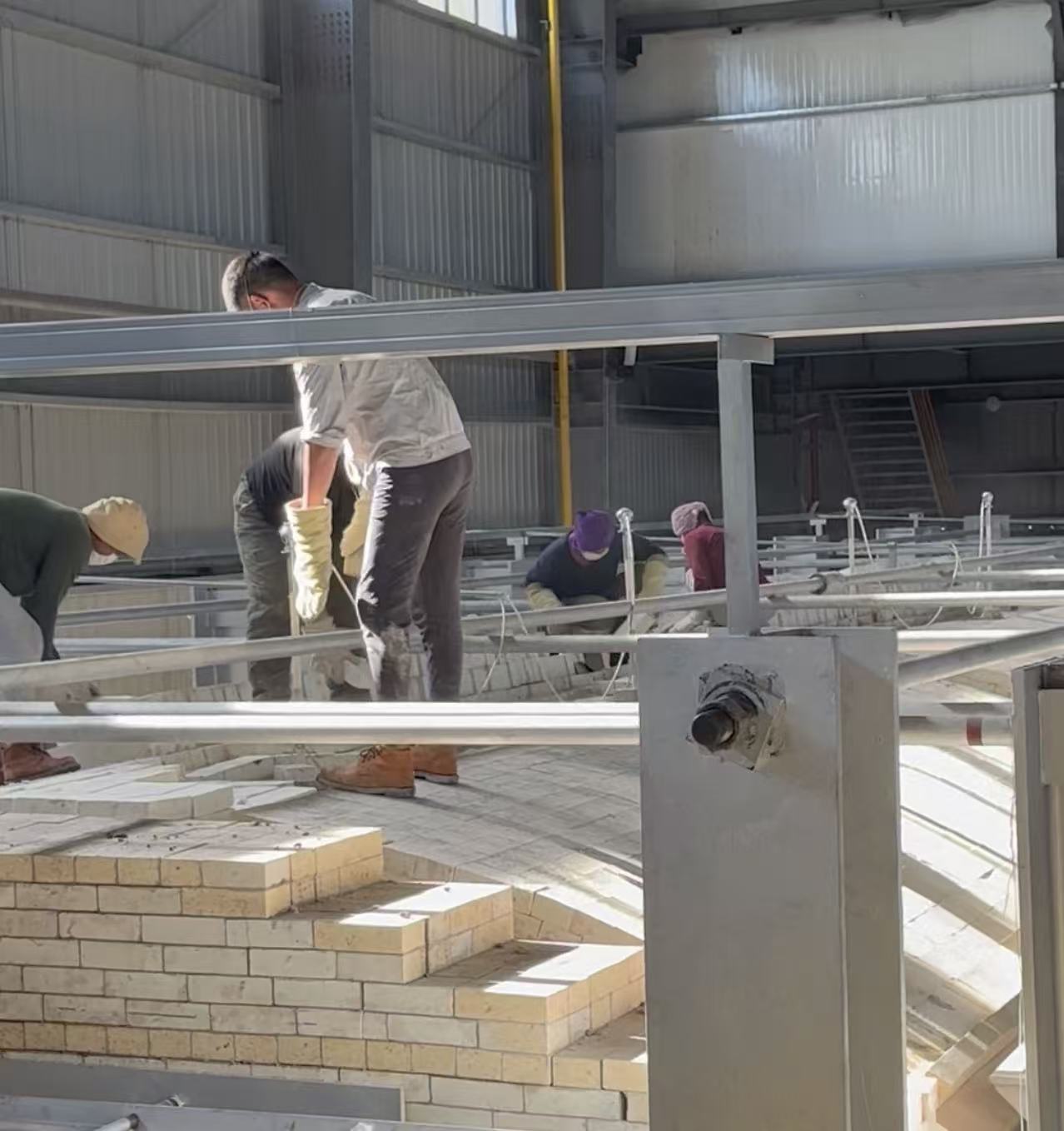
In glass, metallurgy, building materials and other high-temperature industries, heat storage tanks are important thermal equipment. Their top structures are continuously exposed to high temperatures, thermal radiation and heat transfer.During furnace insulation projects, more attention is often paid to furnace walls and bottoms, while the top insulation structure may receive less attention. In practice, however, the insulation performance of the heat storage tank cover can also affect overall heat loss and the external surface temperature of the equipment.Therefore, when installing insulation on the top of a heat storage tank, refractory and insulation materials should be selected according to the operating temperature, structural design and site conditions.1. Why Is Good Insulation Important for the Top of a Heat Storage Tank?A heat storage tank contains and transfers a large amount of thermal energy. If the top insulation layer is insufficient, the material has unsuitable thermal conductivity, or there are significant gaps between insulation components, heat may continuously transfer to the outside.Typical problems may include:High external surface temperature;Excessive heat loss;Uneven temperature distribution;Damage caused by long-term thermal cycling;Frequent maintenance of local insulation areas.Therefore, insulation design should consider not only the material itself, but also the material combination, thickness, structural stability and installation quality.2. What Properties Should Insulating Bricks Have?The selection of insulating bricks should be based on the actual operating conditions rather than density alone.Temperature resistance:The material should meet the actual operating temperature requirements with an appropriate safety margin.Bulk density:Lower density can help reduce structural weight and may provide better thermal insulation performance.Thermal conductivity:Low thermal conductivity is beneficial for reducing heat transfer through the insulation system.Thermal stability:Heat storage tanks may experience repeated heating and cooling cycles, so insulation materials should have good resistance to thermal cycling.Dimensional stability:Excessive shrinkage or deformation during long-term heating can affect joints and create local thermal bridges.3. A Heat Storage Tank Cover Should Be Considered as a Complete Insulation SystemIn practical applications, insulation performance normally comes from a combination of several layers rather than a single material.Depending on the equipment design and temperature conditions, a system may include a refractory layer, insulation layer and protective structure.The refractory layer mainly provides high-temperature resistance and structural protection.The insulation layer reduces heat transfer to the external environment.The protective structure helps improve overall stability and protects the insulation system during installation and operation.The specific material combination and thickness should be determined according to the actual operating conditions of each project.4. Key Points During Insulating Brick InstallationConstruction quality is just as important as material selection.Before installation, the substrate should be inspected and cleaned to remove loose materials and debris.During installation, the arrangement of insulating bricks and the size of joints should be properly controlled. Excessive gaps may create local thermal bridges and increase heat transfer.Special attention should also be paid to connections between different materials to reduce local stress caused by structural changes.Typical construction procedures include:Substrate cleaning;Layout and dimensional inspection;Insulating brick installation;Joint control;Local cutting and adjustment;Connection with other insulation materials;Final inspection.Material performance + proper insulation structure + correct installation are all important for achieving reliable insulation performance.5. Why Does On-Site Experience Matter?Industrial furnace insulation is not simply a matter of installing insulation materials.Different heat storage tanks have different structures, temperatures, dimensions and operating conditions. Even when the same material is used, different designs and installation methods may result in different performance.For this reason, insulation solutions should be developed according to actual site conditions.For operating furnaces, temperature measurements, structural inspections and operating-condition analysis can also be used to identify weaknesses in an existing insulation system and develop targeted improvements.ConclusionThe insulation of a heat storage tank cover is an important part of the overall thermal insulation system of high-temperature equipment.Proper selection of insulating bricks and other refractory insulation materials, combined with a suitable insulation structure, can help reduce heat transfer to the outside and improve thermal stability during operation.If your heat storage tank, industrial furnace or other high-temperature equipment has high external surface temperatures, damaged insulation or requires an energy-saving upgrade, you are welcome to contact us with your operating temperature, equipment dimensions and site photos. We can discuss suitable refractory and insulation materials and technical solutions according to the actual working conditions.
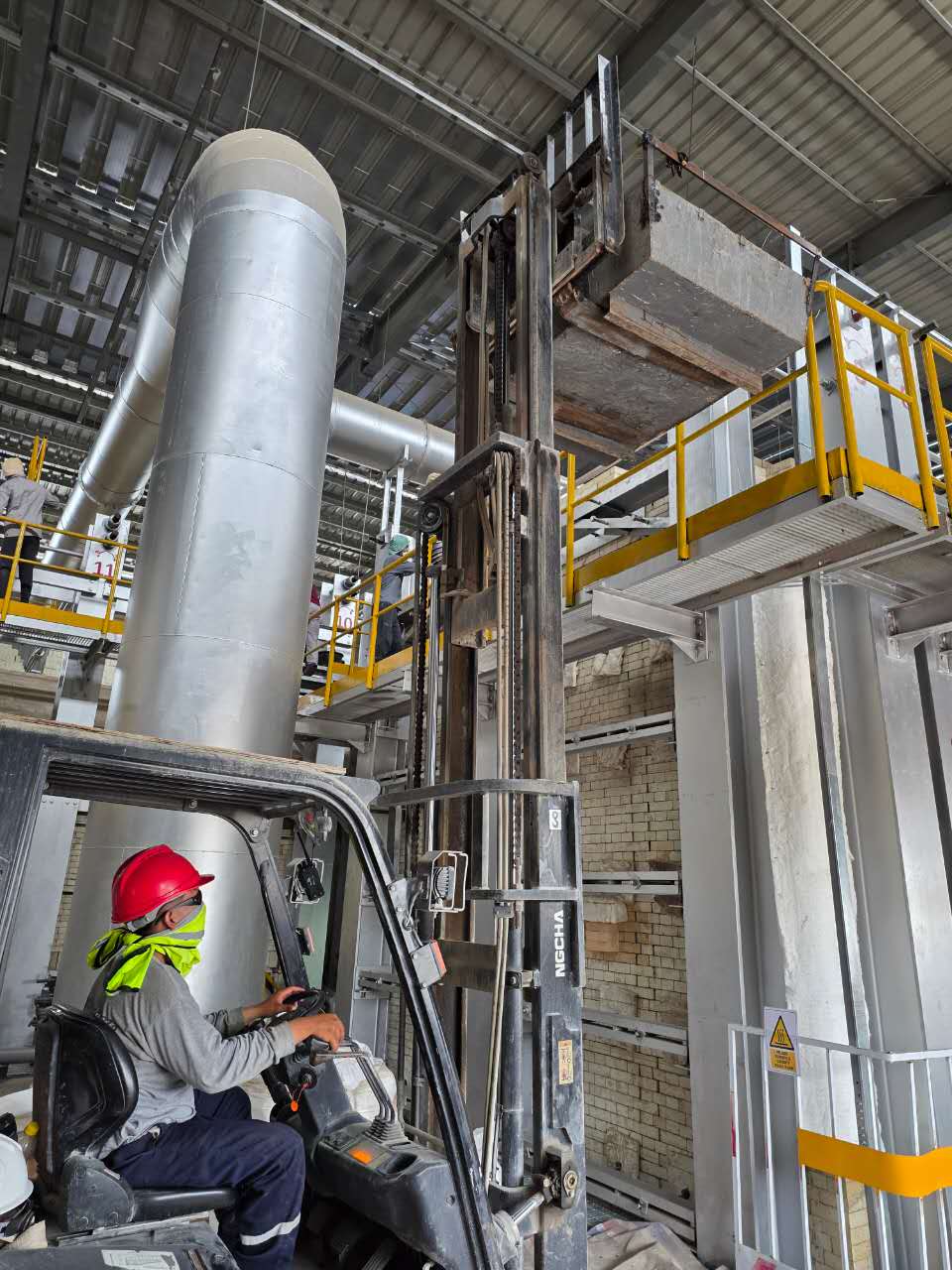
Industrial furnaces operate continuously under high-temperature conditions. The insulation system is designed not only to reduce heat loss but also to withstand temperature changes, mechanical vibration and maintenance requirements during long-term operation.In practical projects, furnace insulation is not simply a matter of covering the equipment with insulation materials. Removal of the existing insulation, surface preparation, material installation and connection between different insulation structures can all affect the final performance of the system.Recently, we carried out insulation construction work at an industrial furnace project in Peru. As shown in the site photos, the existing insulation has been completely removed and the working area has been cleaned. The project has now moved into the substrate treatment and preparation stage for subsequent cold insulation work.1. Removal of Existing InsulationBefore installing a new insulation system, the existing insulation structure should be inspected.Old insulation may need to be removed depending on its actual condition, especially when it has become aged, damaged, wet or structurally unstable.At the Peru project site, the existing insulation layer has been completely removed.Removing the old insulation not only creates space for the new system, but also provides an opportunity to inspect the condition of the underlying surface.During this stage, attention should be paid to:Aging of the existing insulation;Moisture or powdering;Cracks or local damage;Differences between insulation areas;Connections around pipes, supports and other equipment.For large industrial equipment, inspection of the substrate after insulation removal is an important basis for determining the subsequent construction method.2. Why Is Surface Cleaning Important?After removing the old insulation, the next construction stage should not begin immediately.The working area should first be thoroughly cleaned.As shown in the project photos, the construction area has been cleaned after removing the existing insulation materials, providing a more suitable surface for subsequent construction.Surface preparation may include:Removing residual insulation fibers;Removing loose materials and dust;Cleaning remaining debris;Checking surface flatness;Inspecting cracks and damaged areas;Repairing areas that require treatment.If excessive loose materials or dust remain on the surface, they may affect the bonding or stability of subsequent materials.Therefore, although surface preparation is a basic construction step, it should not be overlooked in industrial furnace insulation projects.3. Slurry Application and Substrate TreatmentAfter surface cleaning, the substrate can be treated according to the project design and construction requirements.At this project site, slurry application is being carried out as part of the substrate preparation process.Depending on the specific design, slurry-type materials may be used for surface leveling, filling local irregularities or providing an auxiliary layer for subsequent construction.During installation, construction quality should be controlled according to the substrate condition, material type, application thickness and project requirements.Different furnace types and different furnace areas have different requirements.Therefore, when selecting slurry, refractory materials or insulation materials, the following factors should be considered:Operating temperature;Furnace atmosphere;Thermal cycling;Substrate material;Equipment structure;Installation thickness;Overall insulation system.4. Why Should Cold Insulation Areas Be Reserved?Industrial furnace insulation systems are normally composed of several layers rather than a single material.Depending on the furnace structure, the system may include refractory linings, insulating layers, thermal insulation layers and external structures.Therefore, the connection between different construction stages needs to be considered in advance.At the Peru project site, while the substrate preparation work is being carried out, areas for the subsequent cold insulation work are also being reserved.Cold insulation generally refers to insulation installed on relatively lower-temperature external areas of equipment.Although these areas do not directly experience furnace temperatures, poor insulation design can still result in unnecessary heat loss.Proper preparation and reserved areas can help prevent problems such as:Improper insulation joints;Insufficient space for the required insulation thickness;Interference between pipes and insulation;Obstruction of maintenance walkways;Poor connections between different insulation structures.For large industrial furnaces, considering the connection between different construction stages is just as important as selecting the insulation material itself.5. Furnace Insulation Is More Than Simply Increasing ThicknessWhen the external surface temperature of an industrial furnace is too high, increasing insulation thickness may seem like the most direct solution.However, actual heat loss is affected by multiple factors.A typical heat-transfer path can be considered as:Hot-face structure → refractory lining → insulating layer → thermal insulation → surrounding environmentA problem in any part of this system may affect the overall thermal performance.Common problems include:Aging insulation;Moisture absorption;Gaps inside the insulation layer;Uneven insulation thickness;Poor treatment of joints;Thermal bridges caused by metal structures;Improper treatment around pipes and equipment connections.Therefore, furnace insulation upgrades should be considered as a complete system rather than simply adding more material.6. Construction Quality Affects Long-Term PerformanceThe final performance of an insulation system depends not only on the material itself but also on construction quality.Even when the same insulation material is used, significant gaps, uneven compression, local detachment or poor structural connections may result in localized heat concentration.After installation, inspections can be carried out according to the project requirements.Typical inspection items include:Insulation thickness;Surface integrity;Joint conditions;Local surface temperature;External wall temperature distribution;Fixing conditions;Pipe and equipment interfaces;Reserved maintenance areas.For large industrial furnaces, thermal imaging or temperature measurements can also be used during operation to identify areas with abnormal heat loss.7. From Site Construction to a Complete Energy-Saving SolutionIndustrial furnace insulation is not simply a matter of supplying materials.In a real project, the complete process may involve removal of the existing insulation, surface preparation, material selection, installation, joint treatment and final inspection.Different areas of glass furnaces, cement kilns, steel heating furnaces, lime kilns, industrial boilers and other high-temperature equipment have different operating conditions.Therefore, different products may be required, including:Refractory bricks;Refractory castables;Ceramic fiber;Aluminosilicate fiber materials;Thermal insulation materials;High-temperature insulation coatings;Sealing materials;Complete energy-saving insulation systems.Materials are only one part of the solution. Proper system design and construction are equally important.8. Ongoing Insulation Construction at the Peru ProjectAt the current project site in Peru, the existing insulation has been completely removed and the working area has been cleaned. Slurry application and preparation for the subsequent cold insulation work are now underway.The site includes a relatively large working area with complex equipment structures, pipes, support components and maintenance walkways.Therefore, the construction team needs to consider not only material performance but also:construction space, equipment structure, personnel access, maintenance requirements and the installation of the subsequent insulation layers.For large industrial furnace projects, combining materials, system design and site construction is essential for developing a complete insulation solution.ConclusionIndustrial furnace insulation is a systematic engineering process.From removing the existing insulation → surface cleaning → substrate preparation → slurry application → cold insulation preparation → insulation installation → joint treatment → final inspection, every stage can affect the final thermal performance.For companies planning furnace maintenance, insulation replacement or energy-saving upgrades, it is recommended to first evaluate the operating conditions, equipment structure and existing insulation system before selecting materials and developing the construction plan.If your industrial furnace, glass furnace, cement kiln, steel furnace or other high-temperature equipment has excessive external wall temperatures, aging insulation or localized heat loss, you can send us photos, operating temperature, existing insulation structure and dimensions. We can discuss a suitable refractory and insulation solution based on the actual site conditions.