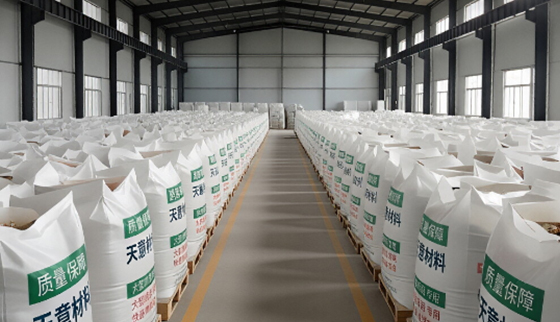
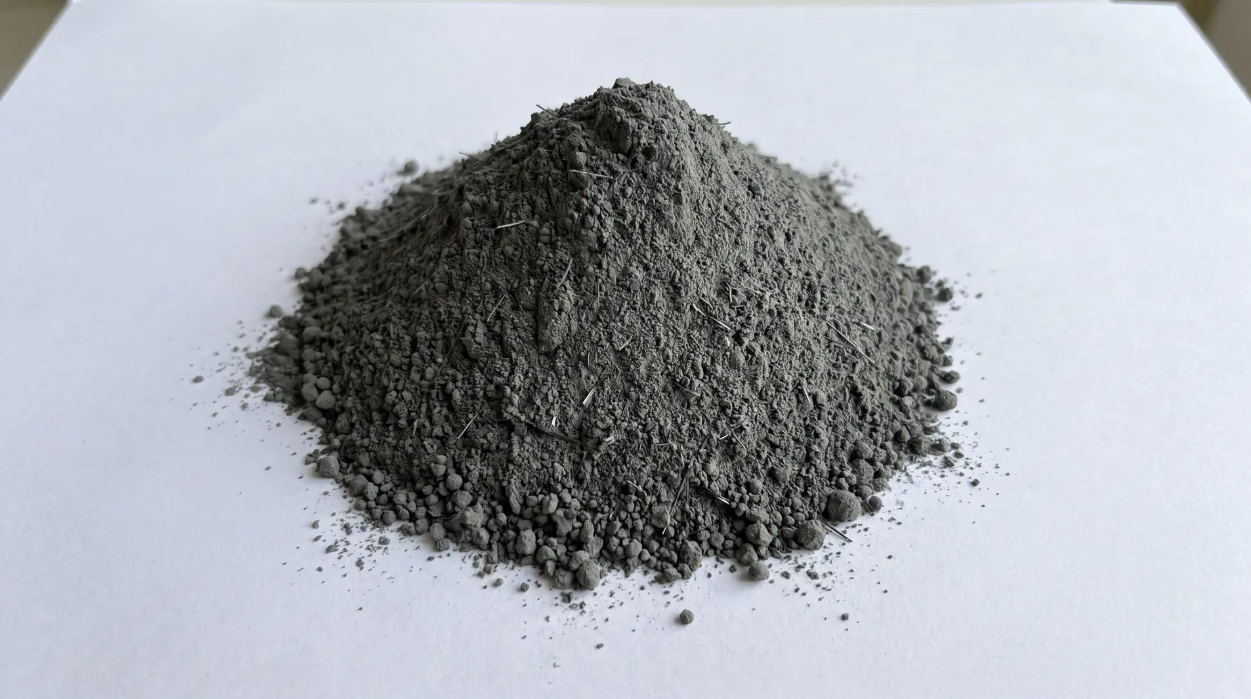
Steel fiber refractory castable is a refractory castable material made primarily from high-alumina clinker, brown fused alumina and other aggregates and powders, combined with binders, heat-resistant stainless steel fibers and appropriate additives.
Due to the addition of steel fibers, steel fiber castable has high mechanical strength, as well as excellent high-temperature resistance, impact resistance, thermal shock resistance and wear resistance. It is therefore suitable for areas of industrial furnaces and high-temperature equipment exposed to mechanical impact and significant temperature fluctuations.
What Is the Oxidation Resistance of Steel Fiber Castable?
The oxidation resistance of steel fiber castable refers to the material’s ability to resist oxidation under high-temperature oxidizing atmospheres.
Some steel fiber castables contain a certain amount of carbonaceous materials. These materials offer good thermal conductivity and toughness and are not easily eroded by molten slag. As a result, they can improve the castable’s slag resistance and thermal shock resistance.
However, carbonaceous materials also have a significant disadvantage: they are prone to oxidation under high-temperature oxidizing atmospheres.
As the carbon materials continue to oxidize, a decarburized layer may form inside the material, causing the structure and properties of the castable to gradually deteriorate. Therefore, carbon oxidation is also one of the important factors affecting the service life of carbon-containing steel fiber castables.
How Can the Oxidation Resistance of Steel Fiber Castable Be Improved?
Oxidation resistance is an important indicator for evaluating the quality and service performance of carbon-containing steel fiber castables.
To reduce the oxidation rate of carbonaceous materials at high temperatures, an appropriate amount of oxidation-control additives, such as aluminum, silicon, magnesium and carbides, is usually added during formulation design.
These materials can provide a certain protective effect at high temperatures, reducing direct contact between oxygen and carbonaceous materials and thereby slowing the oxidation reaction.
By properly selecting aggregates, powders, binders, steel fibers and oxidation-control additives, it is possible to improve the oxidation resistance of the castable while maintaining its strength and thermal shock resistance.
How Is the Oxidation Resistance of Steel Fiber Castable Tested?
The oxidation resistance of steel fiber castable can be evaluated through oxidation resistance tests.
For carbon-containing steel fiber castables containing oxidation-control additives, testing can be conducted according to relevant test methods for the oxidation resistance of refractory materials. After the test, the oxidation resistance is evaluated by measuring the thickness of the decarburized layer on the specimen.
Under the same test conditions:
Therefore, the thickness of the decarburized layer can serve as an important reference indicator for evaluating the oxidation resistance of carbon-containing refractory castables.
Main Properties of Steel Fiber Castable
By adding heat-resistant steel fibers to refractory castable, steel fiber castable can achieve improved overall mechanical performance. Its main characteristics include:
1. High Strength
Steel fibers reinforce the overall structure of the castable and improve its ability to withstand mechanical stress and impact at high temperatures.
2. Good Thermal Shock Resistance
Steel fibers improve the toughness of the material and reduce the risk of cracking caused by rapid temperature changes.
3. Good Wear Resistance
Steel fiber castable is suitable for high-temperature equipment areas subject to material abrasion and severe mechanical wear.
4. Good Impact Resistance
Steel fibers enhance the impact resistance of the castable, making it suitable for industrial furnace areas exposed to mechanical vibration and impact.
5. Good High-Temperature Resistance
With refractory raw materials such as high-alumina clinker and brown fused alumina as its main components, steel fiber castable can meet the operating requirements of various high-temperature industrial equipment.
Applications of Steel Fiber Castable
Steel fiber castable is mainly used in industrial equipment requiring high strength, wear resistance, thermal shock resistance and impact resistance, including:
High-temperature equipment in the steel industry
Cement kilns and related equipment
Coke oven equipment
Nonferrous metal smelting equipment
Boilers and high-temperature sections in the power industry
Various industrial furnaces
High-temperature material conveying and abrasion areas
The operating temperature, material abrasion, mechanical load and furnace atmosphere vary among different types of equipment. Therefore, steel fiber castable should be selected according to the specific operating conditions, with suitable raw materials and formulations.
Conclusion
Steel fiber castable combines high strength, high-temperature resistance, thermal shock resistance, impact resistance and wear resistance, making it a commonly used monolithic refractory material in industrial furnaces.
For carbon-containing steel fiber castables, oxidation resistance has an important influence on long-term stability and service life. The oxidation resistance and overall performance of the material can be effectively improved through the proper use of oxidation-control additives, formulation optimization, and careful control of installation and drying procedures.
TIANYI REFRACTORY MATERIALS CO., LTD. provides customized solutions for refractory castables, steel fiber castables, high-alumina castables, low-cement castables, wear-resistant castables and insulating refractory materials. Based on the operating temperature, wear conditions, mechanical impact and service environment of different industrial furnaces, we serve customers in the steel, cement, glass, metallurgy and power industries.