Why Does Refractory Castable at the Cement Rotary Kiln Outlet Fail Easily? How to Extend Its Service Life
The outlet of a cement rotary kiln is a critical area where clinker leaves the kiln and enters the cooler. It is also one of the areas where refractory materials can experience relatively severe damage.
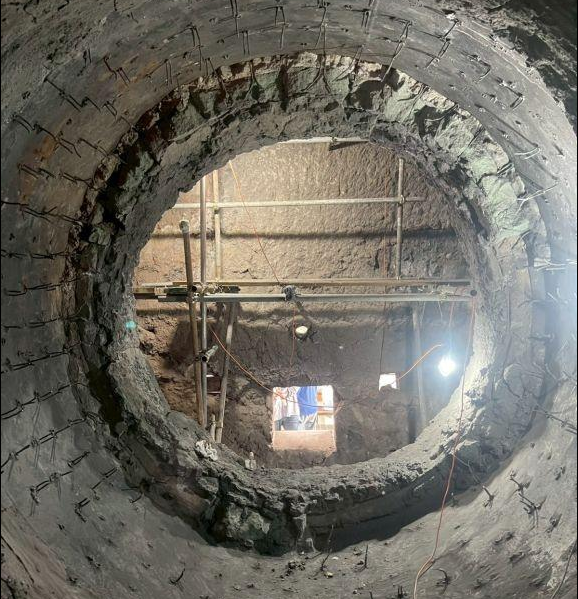
Compared with some more stable high-temperature zones inside the kiln, the kiln outlet is exposed to several combined stresses, including high temperature, thermal cycling, clinker impact, abrasion and mechanical vibration.
As a result, refractory castable at the kiln outlet may suffer from cracking, spalling, abrasion and local detachment during operation.
In practice, the service life of kiln-outlet refractory castable is not determined simply by its maximum refractoriness. Actual operating conditions, material selection, installation quality and maintenance practices all have an important influence.
1. Why Does Refractory Castable at the Kiln Outlet Fail Easily?
Thermal stress caused by temperature fluctuations
The kiln outlet can experience significant temperature changes during operation.
Temperature variations may occur during kiln start-up, shutdown, process adjustments and local cooling. The surface and interior of the castable may heat up and cool down at different rates, creating thermal stress inside the refractory lining.
Repeated thermal cycling can gradually enlarge small cracks and eventually lead to:
Surface cracking
Network cracking
Local cracking
Through-cracking
Block or layer spalling
Therefore, refractory castable used in this area needs not only high-temperature resistance, but also good thermal-shock and thermal-cycling resistance.
Continuous clinker impact and abrasion
Hot clinker continuously passes through the kiln outlet. The movement of high-temperature granular material can cause continuous mechanical abrasion of the refractory lining.
In areas directly exposed to clinker flow, insufficient wear resistance can gradually cause:
Surface abrasion → reduction in lining thickness → exposure of reinforcement or anchors → local structural damage.
Therefore, material selection should consider not only Al₂O₃ content and refractoriness, but also abrasion resistance, volume stability and mechanical strength.
Mechanical vibration
A rotary kiln is continuously rotating equipment and inevitably produces mechanical vibration during operation.
If the castable does not bond properly with the substrate, or if the anchoring system and installation are not properly designed, long-term vibration combined with thermal cycling can cause the refractory lining to loosen.
Once cracks have developed, mechanical vibration can accelerate crack propagation and eventually cause spalling.
Installation quality
Even a high-performance refractory castable can fail prematurely if installation is not properly controlled.
Common problems include:
Too much mixing water may increase porosity after hardening and affect the strength and wear resistance of the castable.
Therefore, the actual performance of kiln-outlet refractory lining depends on a combination of material quality, installation quality and heating/drying procedures.
2. Three Common Failure Modes
Cracking
Cracking is one of the most common problems.
Possible causes include thermal stress, temperature fluctuations, material shrinkage and improper installation.
Minor cracks should be monitored according to their condition. Deeper or through-cracks require further inspection because they may indicate a risk of spalling.
Spalling
When cracks continue to develop or the castable loses its bond with the substrate, pieces of refractory may detach from the lining.
Once spalling occurs, the local lining becomes thinner and the damaged area may expand rapidly under high temperature and mechanical abrasion.
Abrasion
Continuous contact with hot clinker and granular material can cause progressive wear.
Even when there are no obvious cracks, severe abrasion may gradually reduce the refractory thickness and compromise the protection of the kiln shell and other structures.
Therefore, inspection should include not only cracks but also lining thickness and local wear.
3. How Should Ordinary, High-Alumina and Low-Cement Castables Be Selected?
The highest refractoriness does not necessarily mean the best choice for a kiln outlet.
Material selection should be based on the actual operating conditions.
Ordinary refractory castable
Ordinary castables may be suitable for areas with relatively moderate temperature and abrasion requirements.
For stable operating conditions and areas with limited clinker impact, an appropriate grade can be selected according to the actual design.
For areas directly exposed to clinker flow, however, greater attention should be paid to abrasion resistance and thermal-shock resistance.
High-alumina castable
High-alumina castables generally provide good high-temperature performance and mechanical strength and can be used in selected high-temperature and wear-resistant areas of cement production equipment.
For kiln-outlet applications, the appropriate grade should be selected according to temperature, abrasion conditions and installation requirements.
Important factors include:
Low-cement castable
Low-cement castables generally have lower CaO content and can form a relatively dense refractory structure.
They may be considered for areas requiring higher strength, wear resistance and high-temperature stability.
However, low-cement castables usually require stricter installation control, especially regarding water addition, mixing, vibration, curing and heating.
4. How Can the Service Life Be Extended?
Select the material according to actual operating conditions
Before selecting a refractory material, it is important to understand:
Material selection should be based on these conditions rather than maximum refractoriness alone.
Control water addition
The amount of mixing water should be controlled according to the manufacturer's technical requirements.
Excessive water may increase porosity, while insufficient water may affect workability and forming quality.
Ensure proper vibration and forming
The castable should be properly compacted during installation while avoiding excessive vibration.
Voids, segregation and poorly compacted areas can become starting points for cracking and spalling during operation.
Pay attention to curing and dry-out
The newly installed castable should not immediately be exposed to full operating temperature.
Proper curing and a controlled heating schedule help remove internal moisture gradually and reduce the risk of cracking or explosive spalling caused by excessively rapid heating.
Inspect and repair damage at an early stage
When early cracking or local wear is detected, the condition should be evaluated promptly.
Localized damage can often be repaired with an appropriate repair material depending on the actual site conditions.
For extensive spalling or significant lining loss, timely repair during scheduled maintenance can help prevent a small refractory problem from developing into a larger shutdown issue.
5. What Should Be Considered During Kiln-Outlet Refractory Repair?
Refractory maintenance should not focus only on which material to replace. The root cause of the failure should also be identified.
If the original castable failed mainly because of thermal shock, simply replacing it with the same material may not solve the problem.
If clinker abrasion is the primary cause, wear resistance should receive greater attention.
If installation defects caused premature failure, changing the material without improving the installation process may lead to similar problems again.
A practical approach is:
Damage location → Failure pattern → Operating conditions → Material properties → Installation conditions → Repair solution
For cement rotary kilns operating continuously, appropriate refractory selection, proper installation and timely maintenance can help reduce the risk of unexpected refractory failure and unnecessary kiln shutdowns.
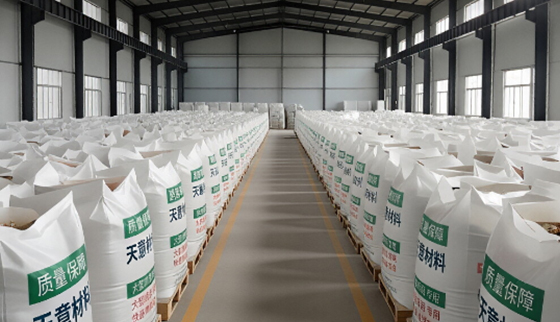
TIANYI REFRACTORY MATERIALS CO., LTD. provides refractory castables, refractory materials and insulation materials for industrial kiln applications. Material selection and technical recommendations can be adjusted according to equipment structure, operating temperature, abrasion conditions and installation requirements.