How to Select Wear-Resistant Refractory Materials for CFB Boiler Cyclone Separators?
Circulating fluidized bed (CFB) boiler cyclone separators continuously handle high-temperature flue gas containing large amounts of ash and circulating particles. The refractory lining must withstand high temperature, high-speed particle erosion, thermal shock and mechanical stress.
If the refractory material, construction method or maintenance plan is unsuitable, problems such as wear, cracking, spalling and local detachment may occur.
Therefore, refractory selection should not be based only on refractoriness. Wear resistance, thermal shock resistance, volume stability and construction conditions should also be considered.
1. Common Causes of Refractory Damage
High-Speed Particle Erosion
Circulating materials, ash and unburned particles continuously impact the refractory lining with the high-speed gas flow. The inlet, flow-turning areas, lower cylinder section, cone and return-material channel are usually more susceptible to wear.
Thermal Shock
Boiler start-up, shutdown, load changes and fuel adjustments can cause temperature fluctuations. Repeated expansion and contraction may lead to cracking and spalling when the refractory has insufficient thermal shock resistance.
Stress at Structural Connections
A cyclone separator contains different sections such as the cylinder, cone, inlet, return-material outlet and inspection openings. Differences in heating and thermal expansion can create stress concentrations, especially at material joints.
Improper Anchoring and Construction
The quality and arrangement of anchors, mixing water, compaction, curing and dry-out all affect refractory performance. Poor construction may result in low strength, cracks, voids and premature wear.
2. How to Select the Right Refractory Material?
Different areas of the cyclone separator should be considered separately.
Inlet area: Focus on wear resistance, erosion resistance and thermal shock resistance.
Cylinder wall: Consider wear resistance, strength and volume stability.
Cone section: Pay attention to particle erosion, flow changes and construction density.
Return-material channel: Select materials according to particle characteristics, circulation rate and actual wear conditions.
Inspection openings and connections: Consider workability, repair convenience and joint treatment.
Common options include high-alumina refractory castables, wear-resistant castables, plastic refractories, ramming materials and high-temperature sealing materials.
The specific grade should be selected according to operating temperature, wear intensity, flue gas composition, equipment structure and installation conditions.
3. Important Points During Installation
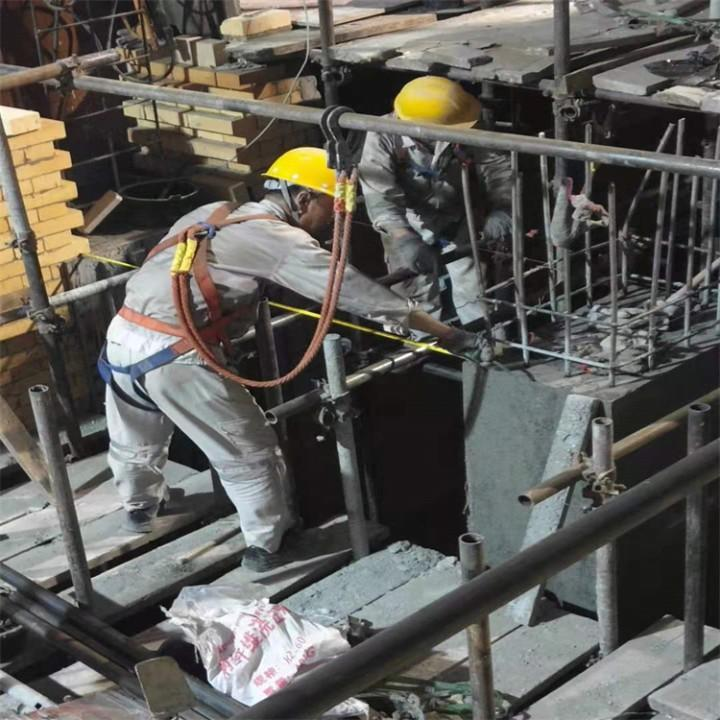
Before installation, the steel shell, anchors and substrate should be carefully inspected and cleaned.
During castable installation, the water addition must be strictly controlled to achieve adequate density and avoid voids, segregation and weak areas. Special attention should be paid to complicated sections such as inlet corners, cone transitions and return-material outlets.
After installation, proper curing and dry-out are essential. Excessively rapid heating can cause internal moisture to vaporize rapidly, resulting in cracks, bulging or even explosive spalling.
4. How to Reduce Maintenance Frequency?
During shutdown inspections, check the inlet, cylinder, cone, return-material channel and inspection openings for wear, cracks, hollow areas, spalling and abnormal hot spots.
If the same area repeatedly fails, simply replacing the refractory may not solve the problem. Particle flow, material circulation, particle characteristics, local erosion and anchor conditions should also be investigated.
For high-wear areas, local reinforcement and zoned refractory design can be considered while maintaining proper compatibility between new and surrounding materials.
Conclusion
The refractory lining of a CFB boiler cyclone separator operates under severe high-temperature and particle-erosion conditions. Material selection should consider wear resistance, thermal shock resistance, volume stability, construction method and actual operating conditions.
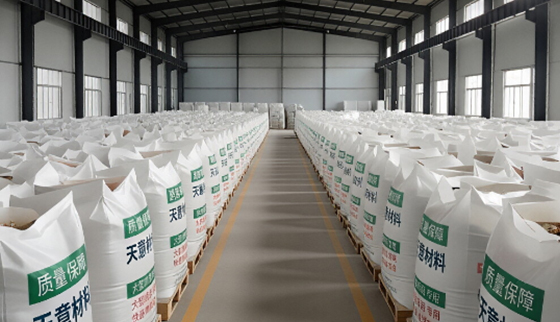
Xinxiang Tianyi Insulation Materials Co., Ltd. supplies high-alumina refractory castables, wear-resistant materials, plastic refractories, refractory mortar, high-temperature sealing materials and insulation products. We can also provide technical communication and material selection support according to different boiler sections and operating conditions.