What Is High-Alumina Refractory Castable? Main Characteristics, Types and Applications
1. What Is High-Alumina Refractory Castable?
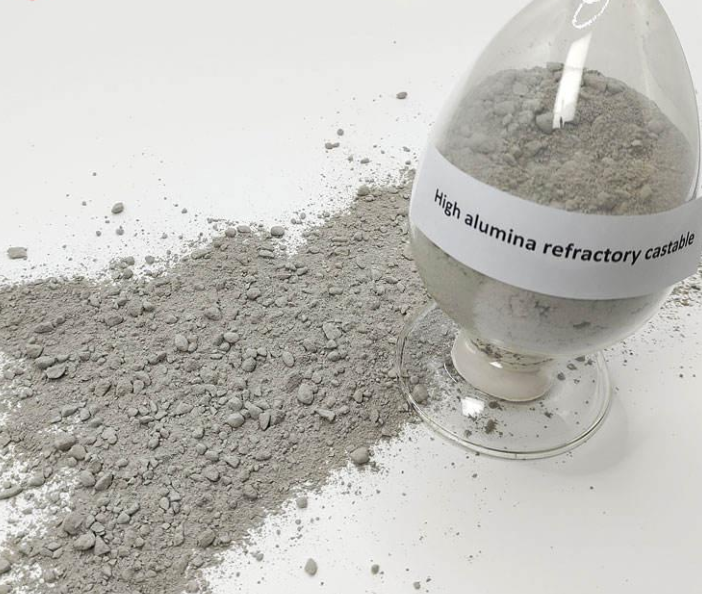
High-alumina refractory castable is an unshaped refractory material mainly made from high-alumina refractory raw materials. Its typical components include high-alumina clinker, corundum or other high-alumina aggregates, together with fine powders, binders and appropriate additives.
Unlike refractory bricks, castables can be installed directly at the jobsite and formed according to the shape of the equipment. This makes them suitable for complex structures, irregular sections and local repair work.
The performance of a high-alumina castable is not determined only by its alumina content. Raw material quality, particle size distribution, bonding system, installation method, curing and dry-out conditions can also have a significant influence on service performance.
2. Main Characteristics of High-Alumina Refractory Castable
High-alumina refractory castables generally offer good high-temperature performance and mechanical strength. Depending on operating conditions, they can be designed as conventional, low-cement, wear-resistant or reinforced castables.
Their main characteristics include:
1. Good High-Temperature Performance
High-alumina raw materials provide good refractory performance, making these castables suitable for various high-temperature industrial equipment and thermal systems.
2. Good Mechanical Strength
With proper formulation, installation and curing, high-alumina castables can form a relatively dense refractory structure with suitable compressive and flexural strength.
3. Flexible Performance Design
The aggregates, fine powders, binders and additives can be adjusted according to requirements such as wear resistance, thermal shock resistance, low cement content and high strength.
4. Suitable for Complex Structures
Castables can be installed using formwork according to the shape of the equipment. They are therefore suitable for complex sections such as furnace doors, ducts, pipes, cyclone separators and kiln hoods.
3. Common Types of High-Alumina Refractory Castables
High-alumina refractory castables can be classified into different types according to their bonding systems and performance requirements.
Conventional High-Alumina Castable
Conventional high-alumina castables provide good refractory performance and basic mechanical strength. They are suitable for general high-temperature equipment and areas without extremely high wear requirements.
Low-Cement High-Alumina Castable
Low-cement castables use a reduced amount of cement binder and optimized particle grading and bonding systems. They can provide relatively low porosity and good density and are often used where higher strength, wear resistance and overall performance are required.
Wear-Resistant High-Alumina Castable
Wear-resistant castables are designed for areas exposed to high-speed material flow, particle abrasion or mechanical impact. Typical applications include cement plants, boilers, industrial furnaces and material-handling systems.
Steel-Fiber-Reinforced Castable
A suitable amount of heat-resistant steel fiber can be added to improve crack resistance and resistance to mechanical impact. These castables are commonly used in areas exposed to mechanical impact or thermal shock.
4. How to Select High-Alumina Castable?
When selecting a high-alumina refractory castable, it is important not to consider only the product name or alumina content. The actual operating conditions of the equipment should be evaluated.
First, the operating temperature and temperature fluctuations should be considered. The degree of material abrasion, mechanical wear and chemical attack inside the equipment should also be assessed.
The installation method is another important factor. Large-area casting, local repair, pumping and manual installation may require different flowability, setting time and construction characteristics.
For equipment operating continuously, attention should also be given to dimensional stability, thermal shock resistance, wear resistance, curing and dry-out conditions.
Therefore, refractory selection should generally consider the equipment type, operating temperature, wear conditions, service environment, structural design and installation requirements.
5. Main Applications of High-Alumina Refractory Castables
Due to their good high-temperature and mechanical properties, high-alumina castables are widely used in various industries.
Cement Industry
They can be used in areas such as cement rotary kiln outlets, kiln hoods, tertiary air ducts, selected areas of preheaters and other sections requiring high-temperature and wear-resistant refractory linings.
Steel Industry
Applications include heating furnaces, steel ladles, hot-metal ladles and selected refractory lining or repair areas of high-temperature equipment.
Power Industry
They can be used in circulating fluidized bed boilers, coal-fired boilers, ducts, cyclone separators and other areas exposed to high temperatures and abrasion.
Petrochemical Industry
High-alumina castables may be used in selected industrial furnaces, heaters, flue gas systems and other high-temperature equipment, depending on the operating environment and chemical conditions.
Other Industrial Furnaces
Applications can also include lime kilns, incinerators, metallurgical furnaces, heat-treatment furnaces and other industrial high-temperature equipment.
It should be noted that operating conditions can vary significantly between different equipment and sections. The same high-alumina castable is not necessarily suitable for every application. Material selection should therefore be based on temperature, wear, chemical attack and installation conditions.
6. Conclusion
High-alumina refractory castable is a widely used type of unshaped refractory material. By adjusting raw materials, particle grading and bonding systems, different products can be developed, including conventional, low-cement, wear-resistant and steel-fiber-reinforced castables.
In practical applications, refractory selection should not be based only on alumina content or rated refractoriness. Equipment structure, operating temperature, wear conditions, chemical environment and installation requirements should all be considered.
For cement, steel, power, petrochemical and other industrial furnace applications, selecting a refractory castable that matches the actual operating conditions can help provide a more stable refractory lining.
TIANYI REFRACTORY MATERIALS CO., LTD.
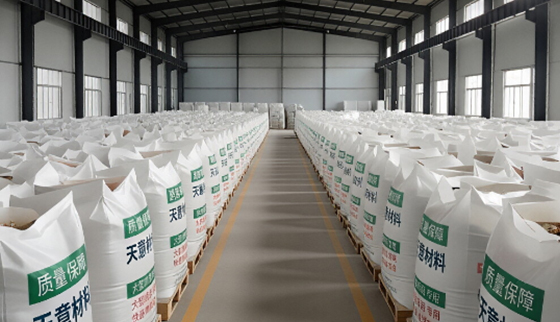
TIANYI REFRACTORY MATERIALS CO., LTD. provides high-alumina refractory castables, low-cement castables, wear-resistant castables, steel-fiber-reinforced castables, refractory bricks and thermal insulation materials for industrial furnace and high-temperature equipment applications.
Different refractory materials can be selected and customized according to equipment structure, operating temperature, wear conditions and installation requirements.