Industrial kilns operate under high-temperature conditions for long periods. The temperature of the kiln shell or equipment outer wall is an important indicator of insulation performance.
However, some plants find that the outer wall remains locally hot even after adding or replacing insulation materials.
This does not necessarily mean that the insulation material itself is defective. The final insulation performance can also be affected by structural design, material combination, installation quality, joints, and operating conditions.
1. Thicker Insulation Is Not Always Better
A typical industrial kiln thermal structure consists of refractory lining, insulation layer, and sealing layer.
The refractory lining withstands high temperature, gases, and material impact. The insulation layer reduces heat transfer to the outside. The sealing layer helps prevent hot gas leakage through cracks, gaps, and connections.
Therefore, each layer should be designed according to its specific function rather than simply increasing the insulation thickness.
2. Why Does Localized High Temperature Still Occur?
Insulation gaps or missing areas
Vibration, thermal cycling, and structural movement may cause insulation to loosen, collapse, or become locally damaged. These areas can become thermal bridges and create localized hot spots.
Poorly treated joints
Large or cracked joints between insulation bricks or fiber products can create paths for concentrated heat transfer. Special attention should be paid to kiln roofs, wall connections, flanges, elbows, and other complex areas.
Hot gas leakage
Sometimes high outer-wall temperature is caused by hot gas escaping through cracks, openings, or weak sealing points rather than simple heat conduction.
If there is smoke, flame leakage, discoloration, or abnormal temperature around sealing areas, the refractory and sealing structure should be inspected.
3. Refractory Damage Can Also Increase Outer-Wall Temperature
The refractory lining and insulation layer perform different functions but are closely related.
If the refractory lining becomes thinner, cracked, or locally detached, the thermal conditions of the insulation layer may change, resulting in higher outer-wall temperatures.
When investigating a hot spot, it is therefore important to check:
4. Different Areas Require Different Insulation Solutions
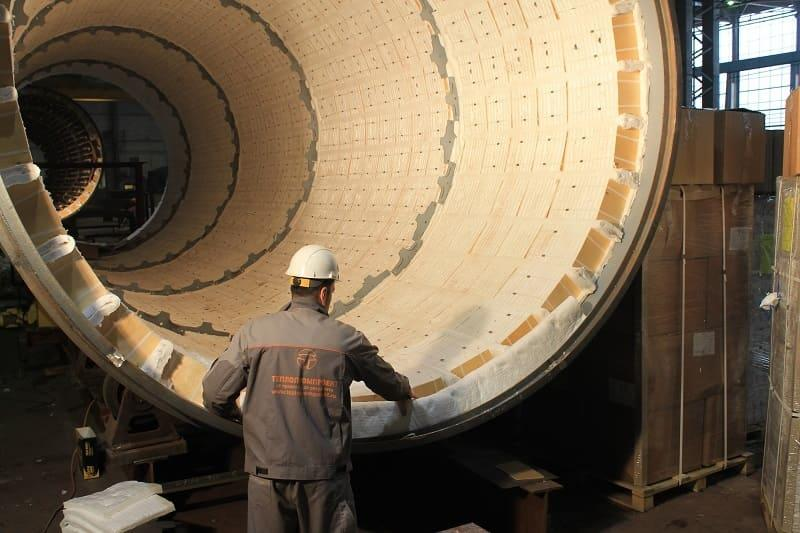
Large flat kiln walls can generally use insulation bricks, ceramic fiber products, or other suitable insulation materials.
For pipes, elbows, flanges, valves, and equipment connections, complex geometries can make conventional insulation installation more difficult and may create additional joints.
Depending on the operating temperature and surface condition, high-temperature insulation coatings or other suitable insulation materials can be considered for these areas.
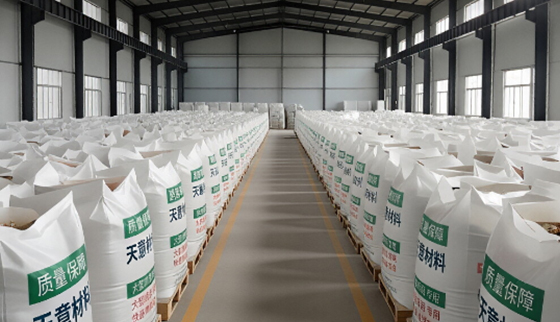
Xinxiang Tianyi supplies high-temperature insulation coatings, lightweight insulation bricks, ceramic fiber products, refractory materials, and sealing materials for different industrial applications.
5. Do Not Simply Add More Insulation When a Hot Spot Appears
When abnormal temperature is detected, the first step should be to identify the location, size, and trend of the hot area.
For example:
Hot spot + missing insulation: inspect the insulation structure.
Hot spot + cracks: inspect the refractory and sealing layers.
High temperature around flanges or elbows: check insulation continuity.
High temperature + smoke or gas leakage: investigate possible hot gas escape.
Identifying the actual heat-transfer path makes it possible to select a more appropriate repair solution.
Conclusion
A high outer-wall temperature after insulation does not necessarily mean that the insulation material is inadequate.
Material selection, thermal structure, installation quality, joints, refractory condition, and hot gas leakage can all affect the final insulation performance.
For operating industrial kilns, it is better to identify the cause of heat loss first and then select suitable refractory, insulation, or sealing materials according to the actual operating conditions.
Xinxiang Tianyi Insulation Materials Co., Ltd. provides refractory bricks, refractory castables, insulation materials, high-temperature insulation coatings, refractory mortars, sealing materials, and plastics for industrial applications in glass, steel, cement, petrochemical, lime, and other high-temperature industries.