咨询热线:18906399575
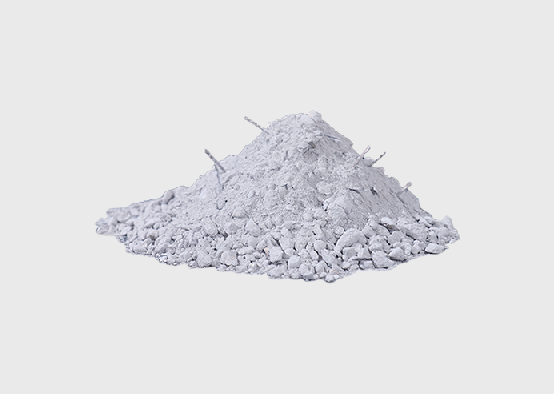
In industries such as cement, steel, power generation, metallurgy, and petrochemicals, high-temperature equipment must withstand not only extreme heat but also severe abrasion, material erosion, and high-velocity particle impact. Under these harsh working conditions, conventional refractory materials often fail prematurely. Wear-resistant refractory castable has therefore become one of the most widely used high-performance solutions for industrial linings.What is Wear-Resistant Refractory Castable?Wear-resistant refractory castable is a monolithic refractory material made from high-alumina aggregates, corundum, silicon carbide, and other high-hardness wear-resistant materials, combined with high-quality binders and additives. It is installed by mixing with water and casting on-site, forming a dense and seamless lining after curing and heating.Key Performance Features1. Excellent Wear ResistanceThe material is designed with high-hardness aggregates that effectively resist mechanical abrasion and material scouring, significantly extending service life.2. High RefractorinessIt can typically withstand working temperatures ranging from 1300°C to 1700°C, making it suitable for various high-temperature industrial furnaces.3. Strong Thermal Shock ResistanceThe structure can withstand frequent heating and cooling cycles, reducing cracking and spalling during operation.4. Superior Erosion ResistanceIt performs exceptionally well in environments with high gas flow velocity and heavy dust or particle impact.5. Monolithic StructureAs a castable material, it forms a seamless lining that minimizes heat loss and eliminates weak points caused by joints.Typical ApplicationsCement kiln preheater and tertiary air ductGrate cooler systemsCalciner and decomposition furnaceCirculating Fluidized Bed (CFB) boilersPower plant boilersSteel reheating furnacesWaste incineratorsChemical reaction furnacesWhy Choose High-Quality Wear-Resistant Castable?Equipment wear is not just a maintenance issue—it directly impacts production efficiency and operating costs. Using high-performance wear-resistant refractory castables can:✔ Extend lining service life✔ Reduce maintenance frequency✔ Minimize unplanned shutdowns✔ Improve operational efficiency✔ Lower total lifecycle costsTianyi Refractory Materials SolutionXinxiang Tianyi Insulation Materials Co., Ltd. specializes in the R&D and production of refractory and thermal insulation materials. We provide customized wear-resistant refractory castable solutions based on specific furnace conditions, widely used in cement, steel, glass, petrochemical, and power industries. Our solutions help customers achieve longer service life, lower energy consumption, and more stable operation.
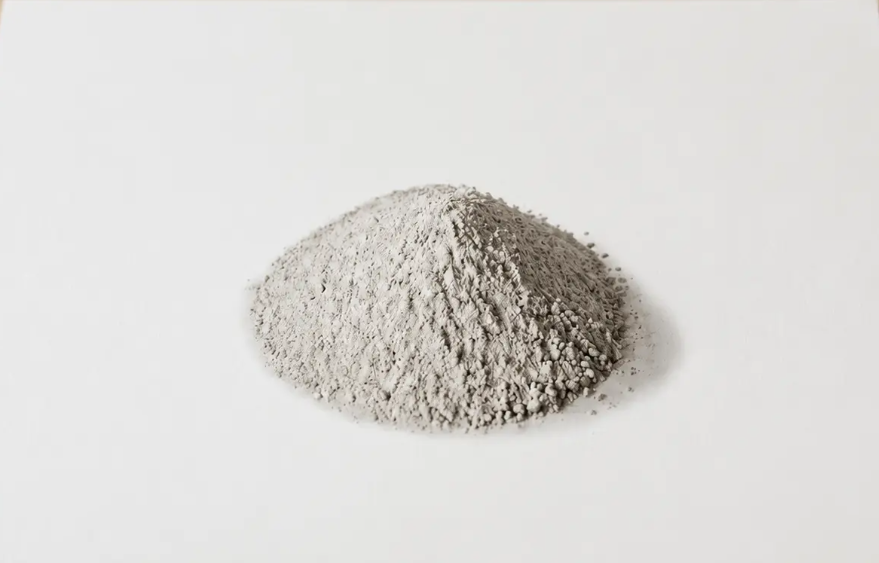
In modern industrial operations, energy efficiency has become a key factor in reducing production costs and improving competitiveness. However, a significant amount of heat is often lost through furnace walls, roofs, and equipment shells during operation. For industries such as steel, cement, glass, ceramics, and petrochemicals, improving thermal insulation performance is one of the most effective ways to reduce energy consumption. This is where lightweight insulating castables play a crucial role.Lightweight insulating castables are manufactured using high-quality lightweight aggregates, refractory powders, and advanced bonding agents. They feature low bulk density, low thermal conductivity, and excellent insulation properties. Compared with traditional dense refractory materials, they significantly reduce heat loss and improve the overall thermal efficiency of industrial furnaces.A well-designed insulation layer helps maintain stable operating temperatures while lowering the external surface temperature of the furnace. This not only creates a safer and more comfortable working environment but also minimizes thermal stress on the furnace structure, extending the service life of the equipment.For industrial plants operating continuously, the economic benefits of energy savings can be substantial. By upgrading to high-performance lightweight insulating castables, many furnaces can achieve energy savings of 5% to 15%. As fuel and electricity costs continue to rise, the return on investment from insulation upgrades becomes increasingly attractive.Tianyi Lightweight Insulating Castables are designed to provide excellent thermal insulation, good thermal shock resistance, and easy installation. They are widely used in rotary kilns, reheating furnaces, hot blast stoves, boilers, incinerators, and various other high-temperature industrial applications.As global industries continue to focus on energy conservation and carbon reduction, advanced insulating refractory materials will become even more important. Choosing the right lightweight insulating castable can help companies lower operating costs, improve equipment efficiency, and achieve both economic and environmental benefits.
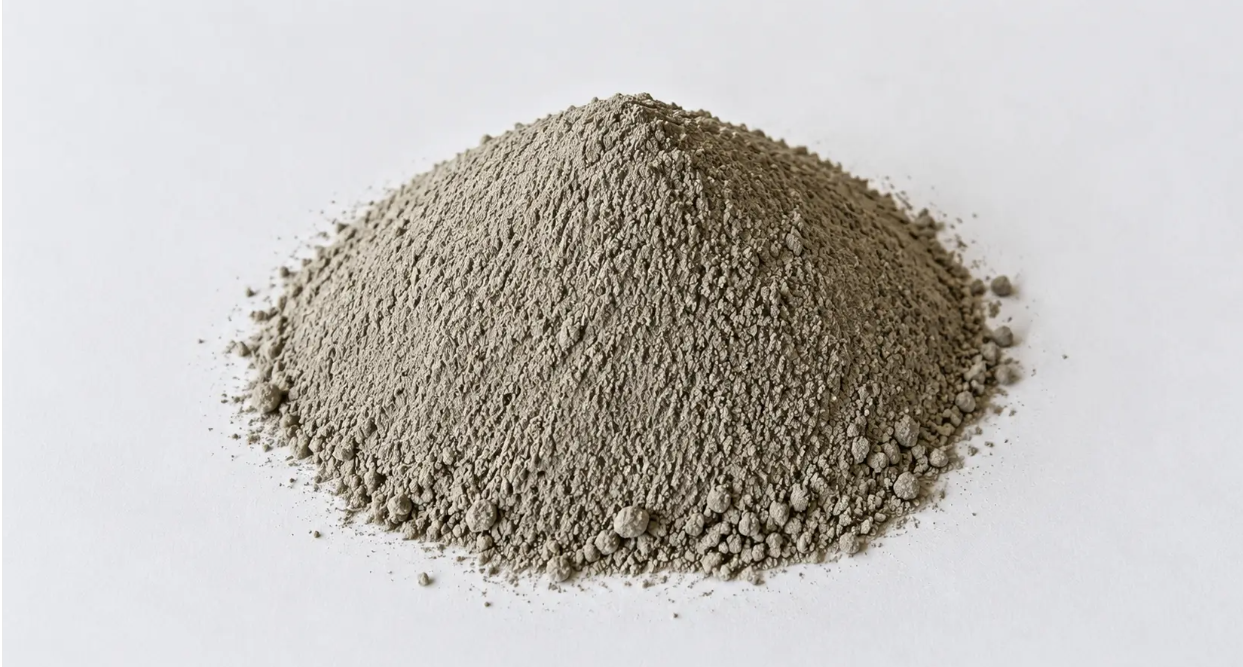
Silica Refractory Mortar: Ensuring Durable and Reliable Furnace LiningsIn modern industrial furnaces, the quality of the bonding material is just as important as the refractory bricks themselves. Silica Refractory Mortar is specifically formulated to provide strong adhesion between silica bricks, ensuring the integrity and durability of high-temperature furnace linings.This specialized refractory mortar is manufactured from high-purity silica powder and carefully selected additives. Its chemical composition closely matches that of silica refractory bricks, allowing both materials to expand and contract uniformly under extreme temperatures. This compatibility significantly reduces the risk of joint cracking and structural failure.Why Silica Refractory Mortar MattersPoor-quality mortar can lead to weakened joints, heat leakage, and premature furnace damage. Silica Refractory Mortar is designed to withstand temperatures exceeding 1400°C while maintaining excellent bonding strength. Its low shrinkage properties help create tight, durable joints that contribute to improved thermal efficiency and longer furnace service life.For industries where continuous high-temperature operation is critical, such as glass manufacturing and coke production, reliable mortar performance directly impacts productivity and maintenance costs.Key AdvantagesExcellent adhesion to silica refractory bricksHigh refractoriness and thermal stabilityGood resistance to thermal shockLow shrinkage during serviceEasy application and smooth consistencyImproved furnace airtightness and heat retentionThese advantages help reduce energy loss and maintenance frequency, ultimately lowering operational costs for industrial facilities.Typical ApplicationsSilica Refractory Mortar is widely used in:Glass melting furnacesCoke oven chambersHot blast stovesCeramic kilnsIndustrial heating furnacesMetallurgical thermal equipmentIts ability to maintain strong joints under severe thermal conditions makes it an essential material for refractory lining construction and repair projects.Choosing a Reliable Refractory SupplierWhen selecting silica refractory mortar, factors such as silica content, bonding strength, particle size distribution, and thermal performance should be carefully evaluated. A high-quality mortar not only improves furnace stability but also contributes to energy efficiency and reduced downtime.As a professional refractory material manufacturer, Tianyi provides silica refractory mortar solutions tailored to various industrial applications. Our products are engineered to deliver consistent performance, helping customers achieve safer, more efficient, and longer-lasting furnace operations.
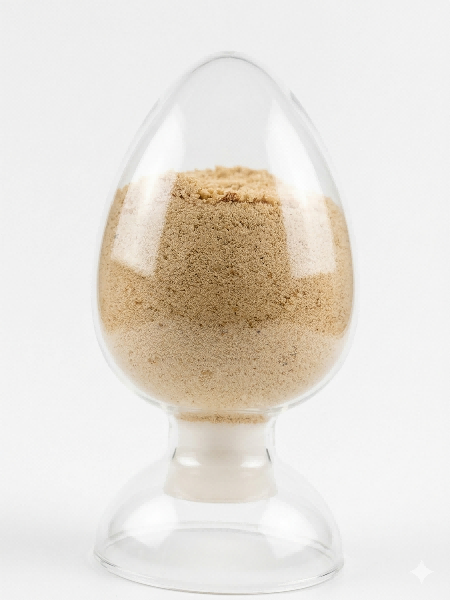
High Temperature Coatings: Protecting Industrial Equipment in Extreme HeatIn modern high-temperature industries such as steelmaking, cement production, petrochemicals, and power generation, equipment is constantly exposed to extreme thermal stress, chemical corrosion, and mechanical wear. One of the most effective protective solutions is the application of high temperature coatings.These coatings are specially designed to form a protective barrier on metal or refractory surfaces, helping extend equipment life while improving energy efficiency.What is High Temperature Coating?High temperature coating is a functional protective layer applied to furnace walls, steel structures, pipelines, or kiln surfaces. It is engineered to withstand temperatures ranging from 600°C to over 1800°C depending on formulation.The coating typically contains ceramic fillers, heat-resistant binders, and anti-oxidation additives that create a stable barrier under extreme conditions.Key Benefits of High Temperature Coatings1. Thermal ProtectionHigh temperature coatings reduce direct heat transfer and protect underlying materials from thermal degradation. This helps maintain structural stability in continuous high-heat environments.2. Anti-Corrosion and Anti-OxidationIndustrial furnaces often face corrosive gases, slag, and chemical vapors. Coatings prevent oxidation and chemical attack, significantly reducing surface damage.3. Energy Efficiency ImprovementBy reducing heat loss from exposed surfaces, high temperature coatings help improve furnace thermal efficiency and reduce fuel consumption.4. Extended Equipment LifespanCoated surfaces experience less wear, cracking, and corrosion. This reduces maintenance frequency and extends overall service life.5. Easy Application and MaintenanceMost high temperature coatings can be applied by spraying, brushing, or troweling, making them suitable for both new installations and repair projects.Application AreasHigh temperature coatings are widely used in:Steel reheating furnacesCement rotary kilnsBoiler systemsPetrochemical reactorsIncinerators and waste treatment systemsHeat exchangers and pipelinesWhy Industrial Users Choose High Temperature CoatingsCompared with traditional refractory materials alone, coatings provide an additional layer of protection without significantly increasing system weight or thickness. They are especially useful for:Repairing damaged liningsImproving insulation performanceEnhancing chemical resistanceReducing downtime during maintenanceConclusionHigh temperature coatings are a cost-effective and highly efficient solution for protecting industrial equipment in extreme environments. By improving thermal resistance, reducing corrosion, and enhancing energy efficiency, they play a crucial role in modern industrial operations.For companies aiming to reduce operating costs and extend furnace life, adopting advanced high temperature coating technology is a smart long-term investment.
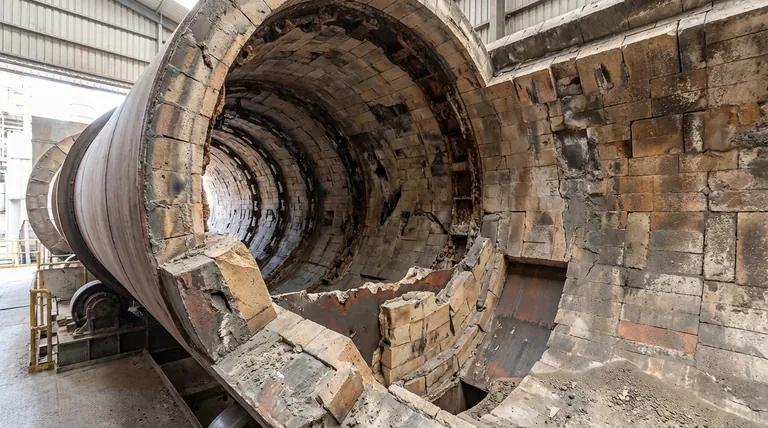
Industrial furnaces operating in steel plants, cement factories, waste incineration facilities, and petrochemical industries are constantly exposed to extreme temperature fluctuations. Frequent startup and shutdown cycles, fuel adjustments, and production interruptions can subject refractory linings to rapid heating and cooling, creating severe thermal stress.Thermal shock damage occurs when different parts of a refractory lining expand and contract at different rates. This uneven movement generates internal stress within the material. Over time, microscopic cracks begin to form, gradually propagating until they result in spalling, structural weakening, or complete lining failure.This issue is particularly common in steel ladles, reheating furnaces, rotary kilns, and waste incinerators where temperature variations are frequent and often severe. Even a high-quality refractory lining can experience accelerated wear if thermal cycling is not properly managed.One reason thermal shock remains a major challenge is that it is influenced by multiple factors. Material composition, pore structure, thermal expansion characteristics, furnace design, and operating practices all contribute to overall thermal shock resistance.Materials with poor thermal shock stability are unable to absorb or dissipate stress effectively. Instead, the accumulated stress is released through cracking, leading to premature deterioration of the lining. Modern refractory manufacturers address this issue by optimizing raw material selection, improving microstructure design, and enhancing material toughness.In addition to material improvements, operational control plays an equally important role. Controlled heating and cooling schedules, stable combustion conditions, and minimizing sudden temperature changes can significantly reduce thermal shock damage and extend service life.Many modern furnace systems also utilize multi-layer refractory lining designs. By combining insulation materials with dense working linings, thermal stress can be distributed more evenly throughout the structure, improving overall durability and operational reliability.As industries continue to pursue higher efficiency and lower maintenance costs, thermal shock resistance has become one of the most critical performance indicators for refractory materials. Selecting the right refractory solution and implementing proper operating procedures can dramatically reduce downtime and maintenance expenses.ConclusionThermal shock damage is one of the most common causes of refractory lining failure in industrial furnaces. However, through proper material selection, optimized furnace design, and controlled operating practices, its impact can be greatly minimized. Investing in thermal shock-resistant refractory solutions helps extend furnace life, improve production stability, and reduce long-term operating costs.
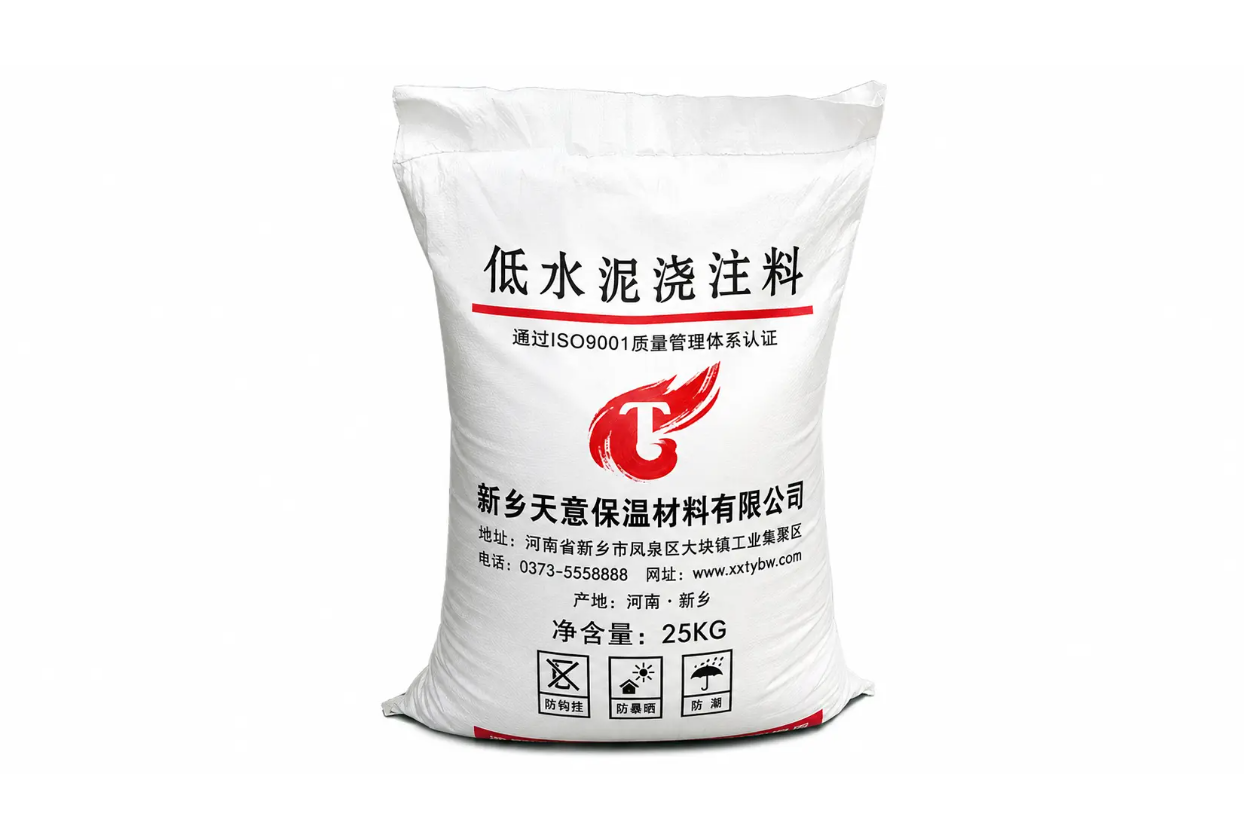
In modern industries such as steel, cement, metallurgy, foundry, and power generation, the performance of furnace linings directly affects production efficiency and operating costs. Frequent cracking, spalling, and repairs not only interrupt production but also increase maintenance expenses. This is why more and more factories are choosing Low Cement Refractory Castable as their preferred lining material.Compared with traditional refractory castables, low cement refractory castables contain significantly less calcium aluminate cement. This special formulation reduces porosity after firing and creates a denser structure, resulting in higher mechanical strength and better resistance to slag and chemical corrosion.One of the biggest advantages of low cement castables is their outstanding thermal shock resistance. Industrial furnaces often experience rapid heating and cooling cycles, which can cause ordinary materials to crack. Low cement castables are designed to withstand these temperature fluctuations, helping to extend the service life of the furnace lining.Another important benefit is energy efficiency. A dense and stable refractory structure minimizes heat loss, allowing furnaces to maintain operating temperatures with lower fuel consumption. For manufacturers facing rising energy costs, this translates directly into long-term savings.Low cement refractory castables are widely used in rotary kilns, reheating furnaces, ladles, tundishes, incinerators, and various high-temperature industrial equipment. They are especially suitable for applications requiring high compressive strength and abrasion resistance.Choosing a reliable Refractory Castable Manufacturer is equally important. High-quality raw materials, strict production standards, and technical support ensure that the castable performs consistently under demanding conditions.As industries continue to pursue higher productivity and lower operating costs, low cement refractory castables have become one of the most cost-effective solutions for modern furnace maintenance and construction.Investing in premium refractory materials today means fewer shutdowns, lower maintenance costs, and longer furnace service life tomorrow.
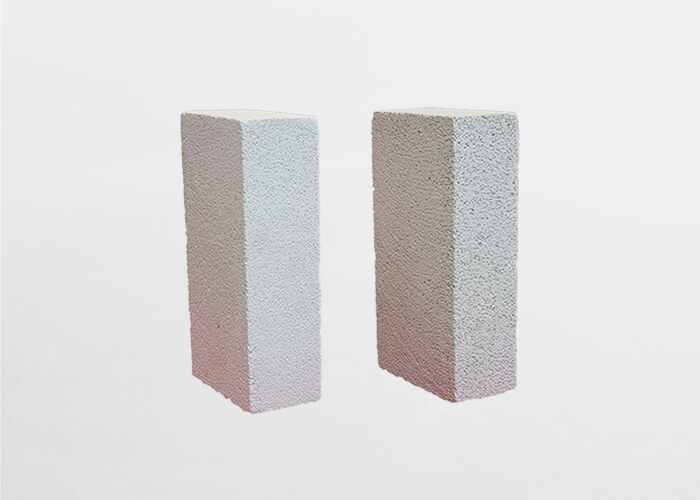
In today's industrial production environment, energy efficiency and equipment longevity have become major concerns for furnace operators. Industries such as steel, ceramics, cement, glass, and petrochemicals all face increasing energy costs and stricter environmental requirements. Choosing the right refractory insulation material is no longer just about protecting the furnace—it directly impacts operating costs and productivity.Among various insulation materials, Lightweight Mullite Insulation Bricks have become one of the most popular solutions due to their excellent thermal performance and mechanical strength.Manufactured from high-purity mullite aggregates and advanced production technology, these bricks feature low bulk density, low thermal conductivity, and excellent resistance to thermal shock. Even under temperatures exceeding 1400°C, they maintain stable performance while minimizing heat loss.One of the biggest challenges for industrial furnaces is excessive fuel consumption caused by poor insulation. Heat escaping through furnace walls increases production costs and places additional stress on heating systems. By installing lightweight mullite insulation bricks as the backup lining, many factories significantly reduce external wall temperatures and lower fuel consumption.Another advantage is their lightweight structure. Compared with traditional dense refractory bricks, lightweight mullite bricks reduce the overall weight of the furnace lining, decreasing the load on the steel structure and making installation and maintenance much easier.Excellent resistance to thermal cycling also helps prevent cracking and spalling during repeated heating and cooling operations. This extends maintenance intervals and reduces costly production shutdowns.Today, lightweight mullite insulation bricks are widely used in:Steel reheating furnacesCeramic shuttle kilnsGlass melting furnacesCement rotary kilnsPetrochemical cracking furnacesHeat treatment equipmentAs global manufacturers continue to seek energy-saving solutions, investing in high-quality refractory insulation materials has become an effective way to improve competitiveness. Lightweight mullite insulation bricks not only reduce operating expenses but also contribute to lower carbon emissions and more sustainable industrial production.For companies looking to upgrade furnace performance, lightweight mullite insulation bricks represent a reliable and cost-effective long-term solution.
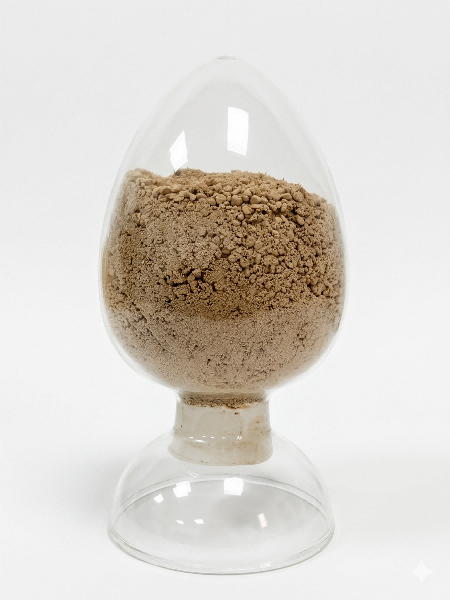
In many industrial production environments, equipment operates under continuous medium to high temperature conditions. Furnaces, pipelines, kilns, and thermal reactors are constantly exposed to heat, oxidation, and chemical corrosion. Over time, this leads to surface degradation, energy loss, and costly shutdowns.Medium Temperature Coating (中温涂料) is designed to solve exactly this problem by forming a protective barrier that resists heat, corrosion, and mechanical wear, ensuring long-term operational stability.Why Industrial Equipment Needs Thermal Protective CoatingWithout proper surface protection, high-temperature equipment often faces:Surface oxidation and rustingThermal cracking due to repeated heating cyclesCorrosion from acidic or alkaline gasesMaterial loss caused by abrasion or dust erosionIncreased energy consumption due to heat leakageThese issues not only shorten equipment lifespan but also increase maintenance frequency and production downtime.Medium temperature coating acts as a functional shield layer, reducing direct exposure of the base material to harsh operating conditions.Key Advantages of Medium Temperature CoatingExcellent Heat ResistanceThe coating maintains stability under continuous thermal exposure, preventing peeling or cracking in medium-high temperature environments.Strong Anti-Corrosion PerformanceIt resists chemical attack from flue gas, acids, alkalis, and industrial byproducts.Improved Energy EfficiencyBy reducing heat loss through surface radiation and conduction, it helps improve furnace thermal efficiency.Extended Equipment LifespanProtecting base materials reduces wear and thermal fatigue, significantly extending service life.Easy Maintenance and ApplicationIt can be applied by spraying, brushing, or rolling, making it suitable for both new installations and maintenance projects.Typical ApplicationsMedium temperature coating is widely used in:Industrial furnaces and boilersCeramic kilns and tunnel kilnsPetrochemical pipelinesSteel heat treatment equipmentCement production systemsExhaust gas systems and ductsThermal insulation outer layersIt is especially effective in systems where continuous operation makes shutdowns expensive and undesirable.Application Method OverviewSurface PreparationRemove rust, dust, oil, and loose particles to ensure strong adhesion.Mixing the CoatingStir evenly to ensure uniform particle distribution.ApplicationApply by spraying or brushing in multiple thin layers.Drying and CuringAllow natural drying or low-temperature curing depending on system requirements.InspectionCheck for uniform coverage and adhesion quality before operation.Medium Temperature Coating (中温涂料) is more than just a protective layer—it is a performance-enhancing solution for industrial equipment. By improving heat resistance, corrosion protection, and energy efficiency, it plays a critical role in extending equipment lifespan and reducing operational costs.For industries operating under continuous thermal stress, upgrading to high-quality coating systems is a cost-effective and long-term investment.
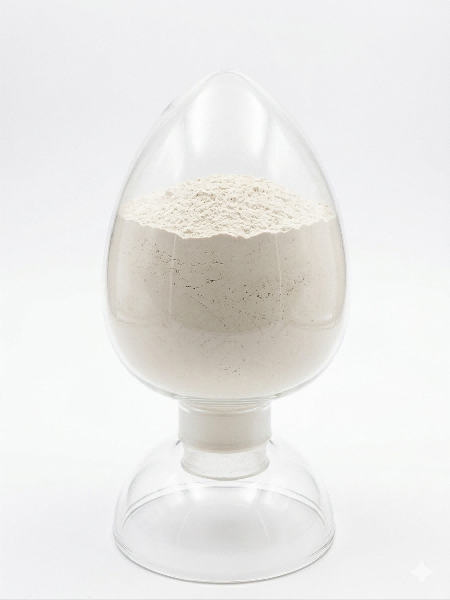
Industrial furnaces operate under extreme temperatures and harsh working conditions. Over time, thermal shock, mechanical wear, and chemical erosion can damage the refractory lining, causing heat loss and unplanned shutdowns. Every hour of downtime means lost productivity and increased operational costs.This is where Hot Repair Refractory Castable becomes an essential maintenance material. Unlike traditional refractory products that often require long curing and cooling periods, hot repair castables can be applied quickly, minimizing production interruptions and restoring furnace performance efficiently.Manufactured with high-quality alumina aggregates, special binders, and advanced additives, hot repair refractory castables offer excellent resistance to thermal shock and mechanical stress. They are widely used for repairing damaged areas in steel furnaces, cement rotary kilns, lime kilns, glass furnaces, and petrochemical heating units.One of the biggest challenges faced by plant managers is balancing maintenance schedules with production targets. Unexpected lining failures often force emergency shutdowns, resulting in expensive labor costs and delayed deliveries. By keeping a reliable hot repair material in stock, maintenance teams can respond immediately and significantly reduce downtime.As industries continue to pursue higher production efficiency and lower operating costs, investing in advanced refractory maintenance materials is becoming increasingly important. Choosing the right Hot Repair Refractory Castable not only protects critical equipment but also ensures stable, reliable, and uninterrupted production.Whether you operate a steel mill, cement plant, glass factory, or petrochemical facility, a professional hot repair refractory solution can extend furnace service life while maximizing your return on investment.
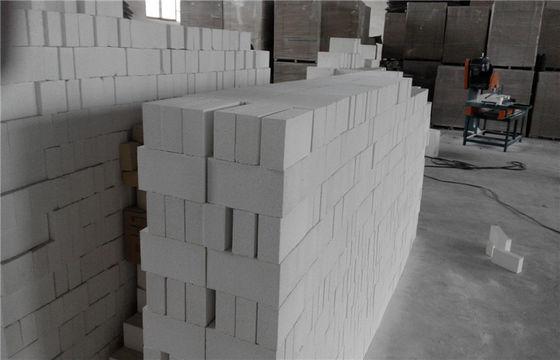
As energy costs continue to rise, industrial furnace operators are seeking more efficient ways to reduce heat loss and improve thermal performance. One of the most effective solutions is the use of lightweight mullite insulation bricks, a refractory material specifically designed to provide superior insulation while maintaining structural stability under high-temperature conditions.Lightweight mullite insulation bricks are manufactured using high-purity refractory raw materials and advanced firing technology. Their unique porous structure significantly reduces thermal conductivity, making them ideal for applications where heat conservation is critical.Compared with traditional dense refractory bricks, mullite insulating bricks offer several important advantages. First, they effectively reduce heat transfer through furnace walls, lowering fuel consumption and operating costs. Second, their lightweight design decreases the overall load on furnace structures, helping simplify installation and maintenance.In industries such as steel production, ceramic manufacturing, petrochemical processing, and glass melting, furnace efficiency directly affects production costs and product quality. By incorporating lightweight mullite insulation bricks into furnace linings, operators can maintain more stable temperatures and reduce temperature fluctuations during operation.Key Benefits of Lightweight Mullite Insulation BricksExcellent Thermal InsulationThe low thermal conductivity of mullite insulation bricks minimizes heat loss, allowing furnaces to retain heat more effectively and operate with lower energy consumption.High Temperature ResistanceThese bricks can withstand temperatures exceeding 1400°C, making them suitable for a wide range of high-temperature industrial applications.Lightweight StructureThe reduced density lowers the dead weight of furnace walls and roofs, contributing to longer service life and improved structural integrity.Energy Cost ReductionBetter insulation means less fuel is required to maintain target temperatures, resulting in substantial long-term savings.During installation, lightweight mullite insulation bricks are commonly used as backup insulation layers behind dense refractory linings. This configuration provides both mechanical strength and excellent thermal efficiency. Proper installation can significantly reduce shell temperatures and improve workplace safety by limiting external heat radiation.Another advantage is their resistance to thermal shock. Industrial furnaces often experience repeated heating and cooling cycles, which can damage inferior insulation materials. Mullite insulation bricks maintain their dimensional stability under these challenging operating conditions.Typical ApplicationsSteel reheating furnacesCeramic roller kilnsGlass melting furnacesPetrochemical heatersTunnel kilnsRotary kilnsHeat treatment furnacesIndustrial boilersAs industries continue to prioritize energy efficiency and sustainable production, lightweight mullite insulation bricks remain an essential component in modern furnace design. Their combination of high-temperature performance, low thermal conductivity, and durability helps manufacturers reduce operational costs while improving overall furnace efficiency.For companies seeking reliable refractory insulation solutions, lightweight mullite insulation bricks provide a practical and cost-effective way to enhance thermal performance and achieve long-term energy savings.
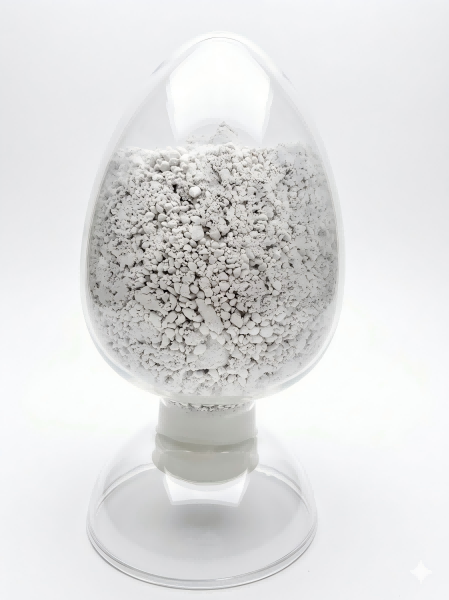
Low temperature insulation material is widely used in modern industrial systems where heat loss control and energy efficiency are critical. It is designed to reduce thermal transfer on equipment surfaces such as pipelines, storage tanks, and mechanical housings operating under low or normal temperature conditions. By forming a continuous insulating layer, it helps stabilize system performance and significantly reduce unnecessary energy consumption.Unlike traditional insulation materials such as rock wool or fiberglass, low temperature insulation material is usually applied as a coating or paste. This allows it to directly cover complex shapes without cutting, wrapping, or joint installation. Because there are no seams or gaps, the issue of thermal bridging is greatly reduced, resulting in more consistent insulation performance across the entire surface.This type of material is typically composed of lightweight insulating fillers combined with inorganic bonding systems, giving it both thermal resistance and structural stability. Once applied, it forms a durable protective layer that resists aging, cracking, and environmental impact over long-term use.In practical applications, it is widely used in chemical plants, energy facilities, refrigeration systems, and industrial manufacturing environments. Whether it is large pipelines transporting fluids or storage tanks requiring temperature stability, the material helps maintain consistent operating conditions while reducing heat exchange with the surrounding environment.One of its key advantages is the simplicity of installation. The surface only needs to be cleaned before application, and the material can be sprayed or brushed in multiple layers depending on the required thickness. After curing, it forms a seamless insulation barrier that integrates directly with the equipment surface, making maintenance easier compared to traditional insulation systems.From an operational perspective, the use of low temperature insulation material not only improves thermal efficiency but also reduces long-term operational costs. By minimizing heat loss, industries can achieve better energy utilization, lower fuel or electricity consumption, and extend equipment service life. This makes it a practical solution for companies aiming to improve both performance and sustainability.Overall, low temperature insulation material represents a modern approach to industrial energy saving. Its combination of easy application, seamless coverage, and stable insulation performance makes it an increasingly preferred choice in a wide range of engineering and industrial
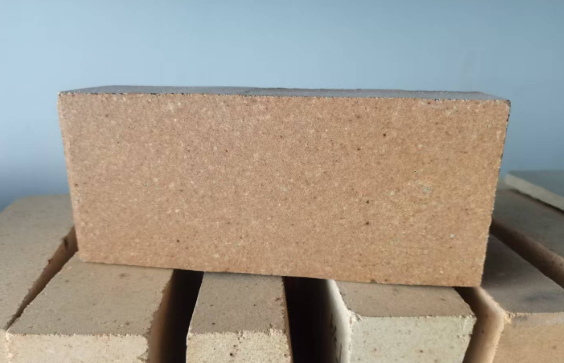
IntroductionIn modern high-temperature industrial kilns, refractory linings face severe chemical challenges. Among them, alkali vapor corrosion caused by potassium, sodium, and their compounds is one of the leading reasons for premature refractory failure.For industries such as cement production, glass manufacturing, and chemical processing, selecting the right refractory material is critical for extending furnace service life and reducing maintenance costs.Our Alkali-Resistant Clay Firebricks are specifically engineered to withstand Our alkali-resistant firebricks are manufactured using carefully selected flint clay, silica, and alumina-rich raw materials. Through an optimized firing process, the bricks develop a dense microstructure that effectively prevents alkali vapors from penetrating the refractory body.When exposed to alkali gases during operation, a protective surface layer forms naturally, significantly reducing chemical erosion and extending lining life.Technical SpecificationsPropertyPNJ-1PNJ-2GNJAl₂O₃ (%)25–4025–4025–40Fe₂O₃ (%)≤2.0≤2.0≤2.0Apparent Porosity (%)≤21≤20≤19Cold Crushing Strength (MPa)≥30≥40≥60Thermal Shock Resistance (1100°C Water Cooling, Times)≥10≥10≥25Refractoriness Under Load (0.2MPa) (°C)≥1300≥1350≥1250Alkali Resistance (1100°C × 5h)Grade 1Grade 1Grade 1Custom Density AvailableThe PNJ-2 grade offers a standard crushing strength of 40 MPa and refractoriness under load of 1350°C. Bulk density can be customized according to specific furnace operating conditions and engineering requirements.Key Advantages of Alkali-Resistant Firebricks1. Excellent Alkali Corrosion ResistanceTested under 1100°C conditions for five hours, our bricks consistently achieve Grade-1 Alkali Resistance.The material reacts with alkali vapors to form a high-viscosity protective glass layer that seals surface pores and blocks further chemical penetration.2. High Mechanical StrengthWith cold crushing strengths ranging from 30 MPa to 60 MPa, these bricks maintain structural integrity even under heavy industrial loads.Benefits include:Reduced crackingImproved wear resistanceLonger service lifeLower maintenance costs3. Outstanding Thermal Shock StabilityFrequent heating and cooling cycles often cause refractory spalling.Our alkali-resistant bricks provide excellent thermal shock resistance, minimizing damage during temperature fluctuations and shutdown cycles.4. Customized Density for Energy SavingsDifferent furnace zones require different insulation and strength characteristics.We offer customized bulk density options to help customers achieve:Better heat retentionLower fuel consumptionImproved thermal efficiencyOptimized furnace performanceTypical Industrial ApplicationsCement IndustryPreheater systemsDecomposition furnacesKiln hoodsTertiary air ductsGlass IndustryRegenerator chambersChecker bricksFlue gas channelsWaste heat recovery systemsMetallurgical IndustryBlast furnacesHot blast stovesSteel processing furnacesChemical IndustryIncineratorsWaste treatment furnacesHigh-temperature reaction chambersWhy Choose Our Alkali-Resistant Firebricks?As an experienced refractory manufacturer, we provide more than refractory products—we deliver complete thermal engineering solutions.Our Advantages✔ Premium flint clay raw materials✔ Strict quality control throughout production✔ Customized dimensions and density✔ Stable high-temperature performance✔ Competitive factory-direct pricing✔ Global export experienceEvery batch undergoes rigorous testing to ensure compliance with industrial standards and customer requirements.ConclusionAlkali attack is one of the most damaging factors affecting refractory service life. Choosing high-quality alkali-resistant firebricks can significantly improve furnace reliability, reduce downtime, and lower maintenance expenses.Whether you operate a cement kiln, glass furnace, metallurgical facility, or chemical processing plant, our alkali-resistant refractory bricks provide the durability and performance needed for long-term operation.Contact us today for a free quotation and customized refractory solution.