Thermal shock damage frequently occurs in industrial furnaces. How can this damage be prevented?
Industrial furnaces operating in steel plants, cement factories, waste incineration facilities, and petrochemical industries are constantly exposed to extreme temperature fluctuations. Frequent startup and shutdown cycles, fuel adjustments, and production interruptions can subject refractory linings to rapid heating and cooling, creating severe thermal stress.
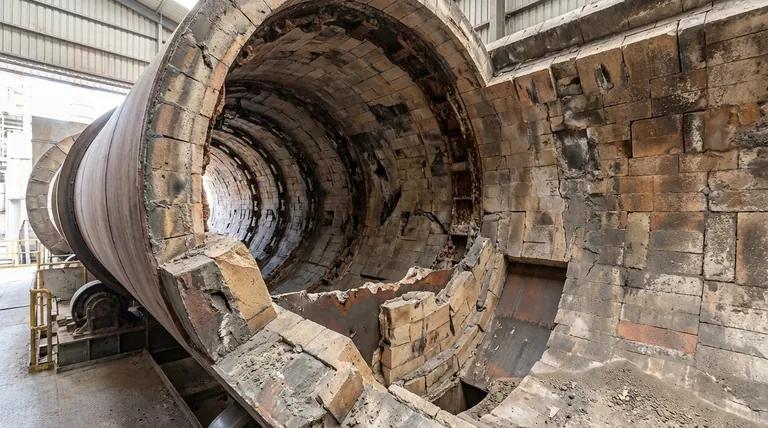
Thermal shock damage occurs when different parts of a refractory lining expand and contract at different rates. This uneven movement generates internal stress within the material. Over time, microscopic cracks begin to form, gradually propagating until they result in spalling, structural weakening, or complete lining failure.
This issue is particularly common in steel ladles, reheating furnaces, rotary kilns, and waste incinerators where temperature variations are frequent and often severe. Even a high-quality refractory lining can experience accelerated wear if thermal cycling is not properly managed.
One reason thermal shock remains a major challenge is that it is influenced by multiple factors. Material composition, pore structure, thermal expansion characteristics, furnace design, and operating practices all contribute to overall thermal shock resistance.
Materials with poor thermal shock stability are unable to absorb or dissipate stress effectively. Instead, the accumulated stress is released through cracking, leading to premature deterioration of the lining. Modern refractory manufacturers address this issue by optimizing raw material selection, improving microstructure design, and enhancing material toughness.
In addition to material improvements, operational control plays an equally important role. Controlled heating and cooling schedules, stable combustion conditions, and minimizing sudden temperature changes can significantly reduce thermal shock damage and extend service life.
Many modern furnace systems also utilize multi-layer refractory lining designs. By combining insulation materials with dense working linings, thermal stress can be distributed more evenly throughout the structure, improving overall durability and operational reliability.
As industries continue to pursue higher efficiency and lower maintenance costs, thermal shock resistance has become one of the most critical performance indicators for refractory materials. Selecting the right refractory solution and implementing proper operating procedures can dramatically reduce downtime and maintenance expenses.
Conclusion
Thermal shock damage is one of the most common causes of refractory lining failure in industrial furnaces. However, through proper material selection, optimized furnace design, and controlled operating practices, its impact can be greatly minimized. Investing in thermal shock-resistant refractory solutions helps extend furnace life, improve production stability, and reduce long-term operating costs.