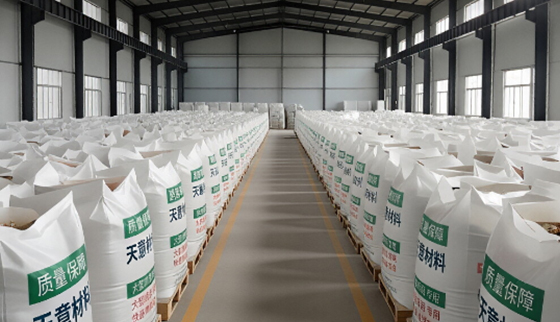
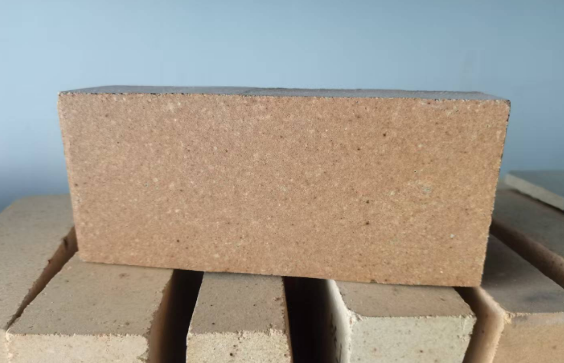
High-Performance Alkali-Resistant Firebricks: The Ultimate Refractory Solution for Corrosive Environments
Introduction
In modern high-temperature industrial kilns, refractory linings face severe chemical challenges. Among them, alkali vapor corrosion caused by potassium, sodium, and their compounds is one of the leading reasons for premature refractory failure.
For industries such as cement production, glass manufacturing, and chemical processing, selecting the right refractory material is critical for extending furnace service life and reducing maintenance costs.
Our Alkali-Resistant Clay Firebricks are specifically engineered to withstand
Our alkali-resistant firebricks are manufactured using carefully selected flint clay, silica, and alumina-rich raw materials. Through an optimized firing process, the bricks develop a dense microstructure that effectively prevents alkali vapors from penetrating the refractory body.
When exposed to alkali gases during operation, a protective surface layer forms naturally, significantly reducing chemical erosion and extending lining life.
Technical Specifications
| Property | PNJ-1 | PNJ-2 | GNJ |
|---|
| Al₂O₃ (%) | 25–40 | 25–40 | 25–40 |
| Fe₂O₃ (%) | ≤2.0 | ≤2.0 | ≤2.0 |
| Apparent Porosity (%) | ≤21 | ≤20 | ≤19 |
| Cold Crushing Strength (MPa) | ≥30 | ≥40 | ≥60 |
| Thermal Shock Resistance (1100°C Water Cooling, Times) | ≥10 | ≥10 | ≥25 |
| Refractoriness Under Load (0.2MPa) (°C) | ≥1300 | ≥1350 | ≥1250 |
| Alkali Resistance (1100°C × 5h) | Grade 1 | Grade 1 | Grade 1 |
Custom Density Available
The PNJ-2 grade offers a standard crushing strength of 40 MPa and refractoriness under load of 1350°C. Bulk density can be customized according to specific furnace operating conditions and engineering requirements.
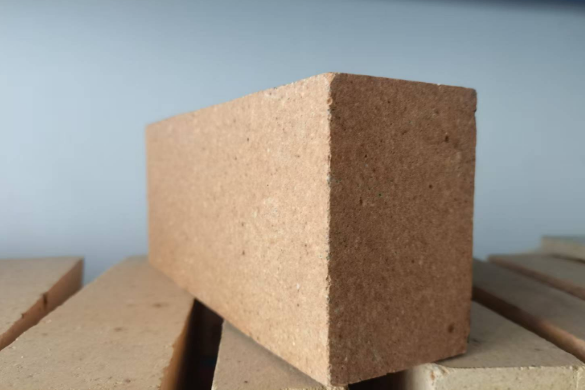
Key Advantages of Alkali-Resistant Firebricks
1. Excellent Alkali Corrosion Resistance
Tested under 1100°C conditions for five hours, our bricks consistently achieve Grade-1 Alkali Resistance.
The material reacts with alkali vapors to form a high-viscosity protective glass layer that seals surface pores and blocks further chemical penetration.
2. High Mechanical Strength
With cold crushing strengths ranging from 30 MPa to 60 MPa, these bricks maintain structural integrity even under heavy industrial loads.
Benefits include:
Reduced cracking
Improved wear resistance
Longer service life
Lower maintenance costs
3. Outstanding Thermal Shock Stability
Frequent heating and cooling cycles often cause refractory spalling.
Our alkali-resistant bricks provide excellent thermal shock resistance, minimizing damage during temperature fluctuations and shutdown cycles.
4. Customized Density for Energy Savings
Different furnace zones require different insulation and strength characteristics.
We offer customized bulk density options to help customers achieve:
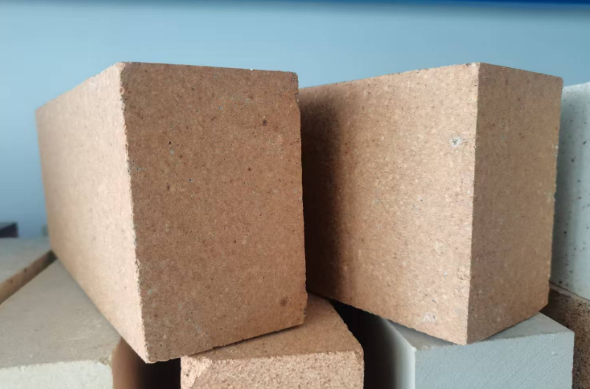
Typical Industrial Applications
Cement Industry
Preheater systems
Decomposition furnaces
Kiln hoods
Tertiary air ducts
Glass Industry
Metallurgical Industry
Chemical Industry
Why Choose Our Alkali-Resistant Firebricks?
As an experienced refractory manufacturer, we provide more than refractory products—we deliver complete thermal engineering solutions.
Our Advantages
✔ Premium flint clay raw materials
✔ Strict quality control throughout production
✔ Customized dimensions and density
✔ Stable high-temperature performance
✔ Competitive factory-direct pricing
✔ Global export experience
Every batch undergoes rigorous testing to ensure compliance with industrial standards and customer requirements.
Conclusion
Alkali attack is one of the most damaging factors affecting refractory service life. Choosing high-quality alkali-resistant firebricks can significantly improve furnace reliability, reduce downtime, and lower maintenance expenses.
Whether you operate a cement kiln, glass furnace, metallurgical facility, or chemical processing plant, our alkali-resistant refractory bricks provide the durability and performance needed for long-term operation.
Contact us today for a free quotation and customized refractory solution.