Industrial Furnace Insulation Project: Insulation Removal, Surface Preparation and Cold Insulation Preparation
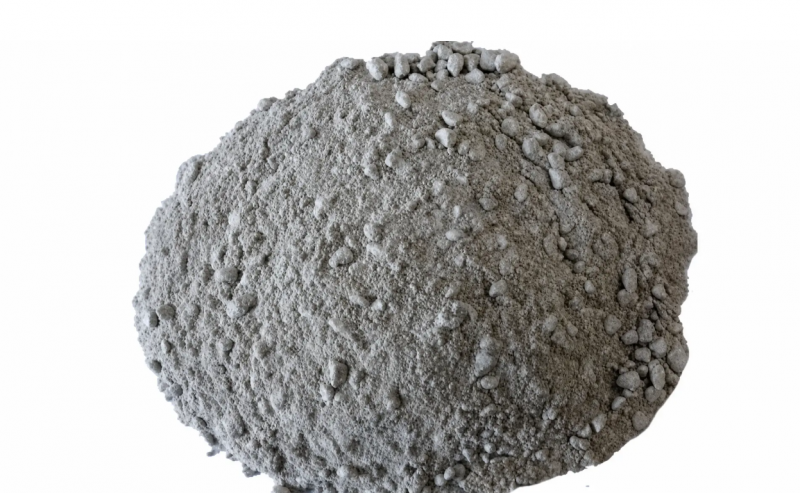
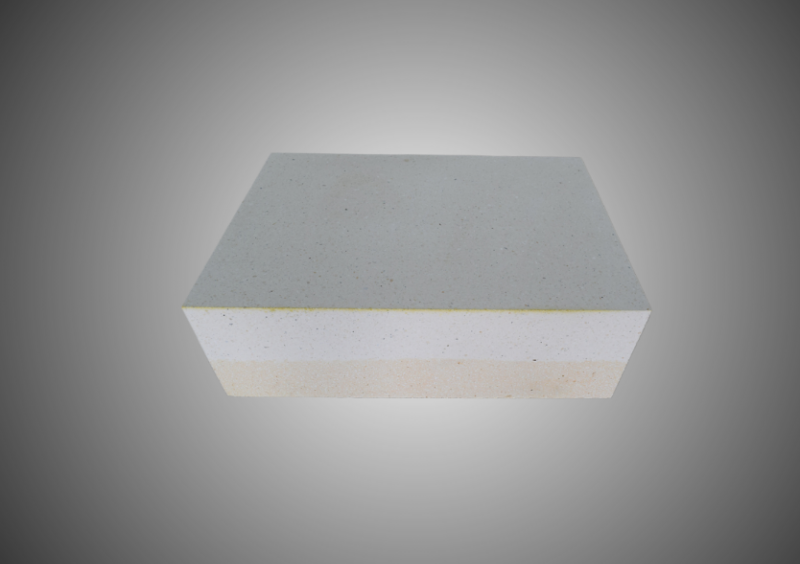
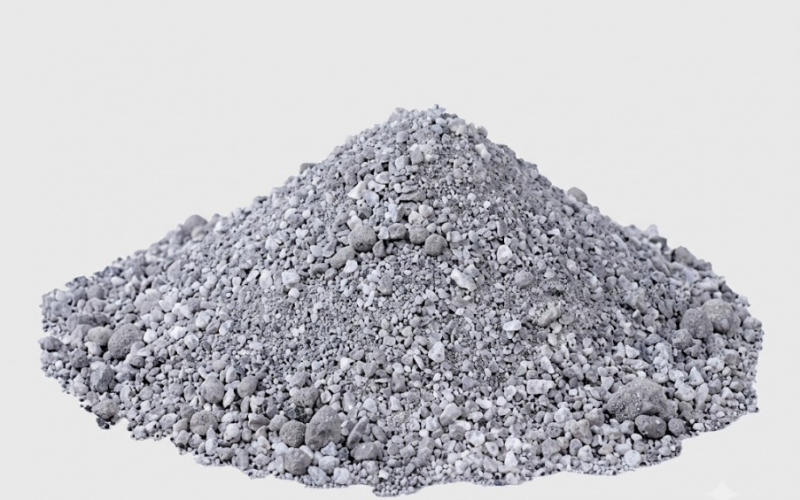
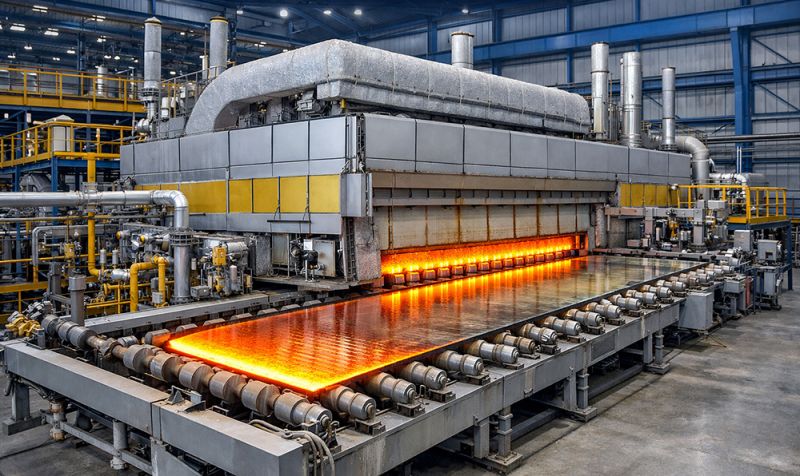
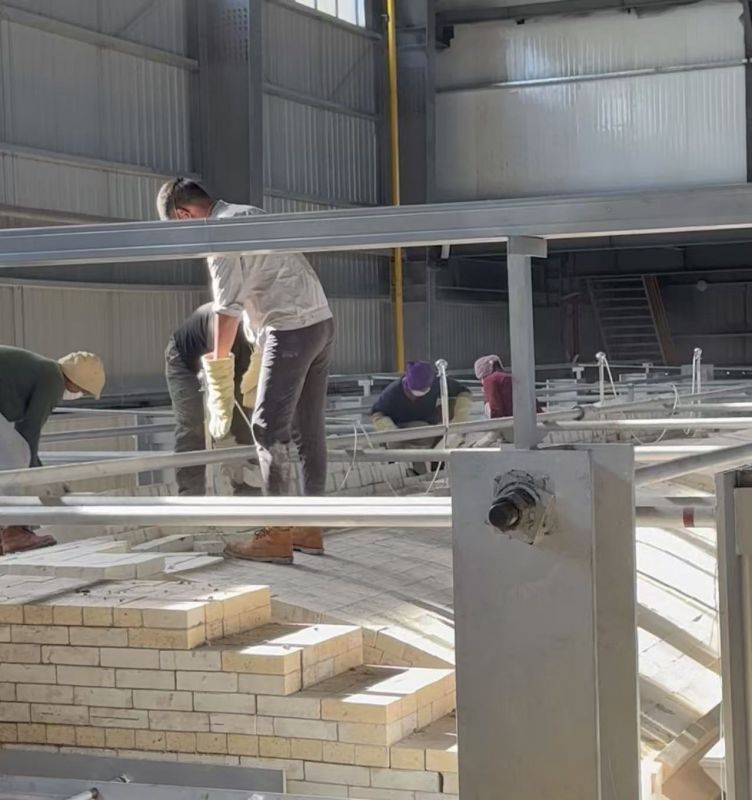
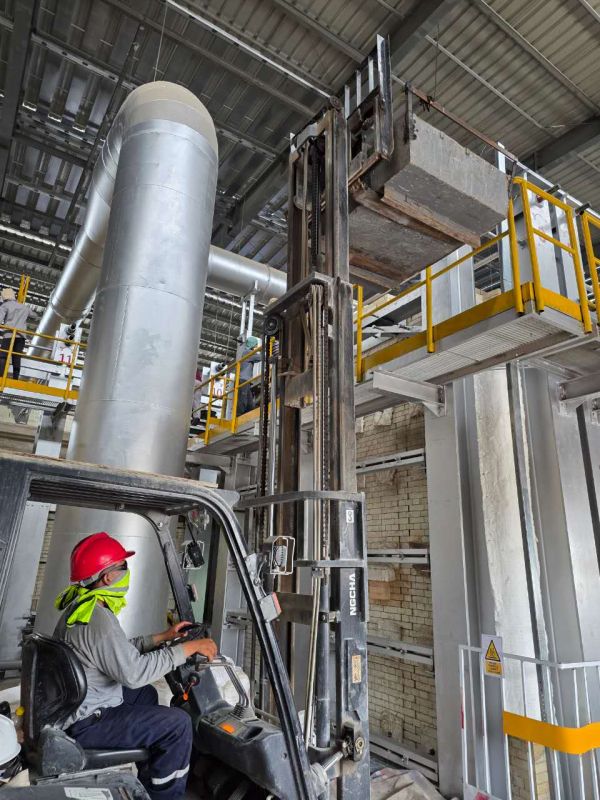
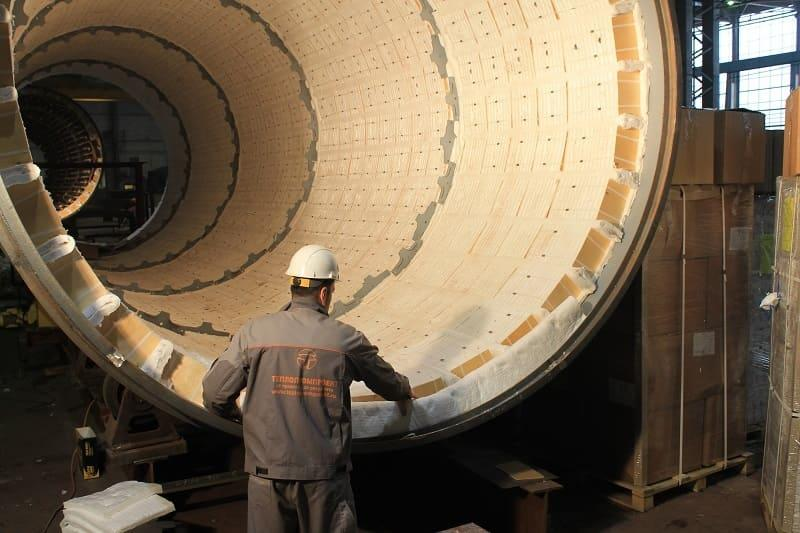
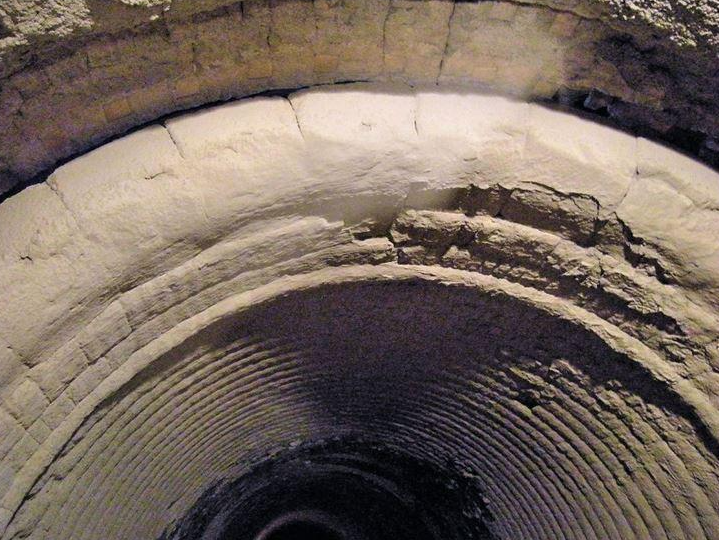
Industrial furnaces operate continuously under high-temperature conditions. The insulation system is designed not only to reduce heat loss but also to withstand temperature changes, mechanical vibration and maintenance requirements during long-term operation.In practical projects, furnace insulation is not simply a matter of covering the equipment with insulation materials. Removal of the existing insulation, surface preparation, material installation and connection between different insulation structures can all affect the final performance of the system.Recently, we carried out insulation construction work at an industrial furnace project in Peru. As shown in the site photos, the existing insulation has been completely removed and the working area has been cleaned. The project has now moved into the substrate treatment and preparation stage for subsequent cold insulation work.1. Removal of Existing InsulationBefore installing a new insulation system, the existing insulation structure should be inspected.Old insulation may need to be removed depending on its actual condition, especially when it has become aged, damaged, wet or structurally unstable.At the Peru project site, the existing insulation layer has been completely removed.Removing the old insulation not only creates space for the new system, but also provides an opportunity to inspect the condition of the underlying surface.During this stage, attention should be paid to:Aging of the existing insulation;Moisture or powdering;Cracks or local damage;Differences between insulation areas;Connections around pipes, supports and other equipment.For large industrial equipment, inspection of the substrate after insulation removal is an important basis for determining the subsequent construction method.2. Why Is Surface Cleaning Important?After removing the old insulation, the next construction stage should not begin immediately.The working area should first be thoroughly cleaned.As shown in the project photos, the construction area has been cleaned after removing the existing insulation materials, providing a more suitable surface for subsequent construction.Surface preparation may include:Removing residual insulation fibers;Removing loose materials and dust;Cleaning remaining debris;Checking surface flatness;Inspecting cracks and damaged areas;Repairing areas that require treatment.If excessive loose materials or dust remain on the surface, they may affect the bonding or stability of subsequent materials.Therefore, although surface preparation is a basic construction step, it should not be overlooked in industrial furnace insulation projects.3. Slurry Application and Substrate TreatmentAfter surface cleaning, the substrate can be treated according to the project design and construction requirements.At this project site, slurry application is being carried out as part of the substrate preparation process.Depending on the specific design, slurry-type materials may be used for surface leveling, filling local irregularities or providing an auxiliary layer for subsequent construction.During installation, construction quality should be controlled according to the substrate condition, material type, application thickness and project requirements.Different furnace types and different furnace areas have different requirements.Therefore, when selecting slurry, refractory materials or insulation materials, the following factors should be considered:Operating temperature;Furnace atmosphere;Thermal cycling;Substrate material;Equipment structure;Installation thickness;Overall insulation system.4. Why Should Cold Insulation Areas Be Reserved?Industrial furnace insulation systems are normally composed of several layers rather than a single material.Depending on the furnace structure, the system may include refractory linings, insulating layers, thermal insulation layers and external structures.Therefore, the connection between different construction stages needs to be considered in advance.At the Peru project site, while the substrate preparation work is being carried out, areas for the subsequent cold insulation work are also being reserved.Cold insulation generally refers to insulation installed on relatively lower-temperature external areas of equipment.Although these areas do not directly experience furnace temperatures, poor insulation design can still result in unnecessary heat loss.Proper preparation and reserved areas can help prevent problems such as:Improper insulation joints;Insufficient space for the required insulation thickness;Interference between pipes and insulation;Obstruction of maintenance walkways;Poor connections between different insulation structures.For large industrial furnaces, considering the connection between different construction stages is just as important as selecting the insulation material itself.5. Furnace Insulation Is More Than Simply Increasing ThicknessWhen the external surface temperature of an industrial furnace is too high, increasing insulation thickness may seem like the most direct solution.However, actual heat loss is affected by multiple factors.A typical heat-transfer path can be considered as:Hot-face structure → refractory lining → insulating layer → thermal insulation → surrounding environmentA problem in any part of this system may affect the overall thermal performance.Common problems include:Aging insulation;Moisture absorption;Gaps inside the insulation layer;Uneven insulation thickness;Poor treatment of joints;Thermal bridges caused by metal structures;Improper treatment around pipes and equipment connections.Therefore, furnace insulation upgrades should be considered as a complete system rather than simply adding more material.6. Construction Quality Affects Long-Term PerformanceThe final performance of an insulation system depends not only on the material itself but also on construction quality.Even when the same insulation material is used, significant gaps, uneven compression, local detachment or poor structural connections may result in localized heat concentration.After installation, inspections can be carried out according to the project requirements.Typical inspection items include:Insulation thickness;Surface integrity;Joint conditions;Local surface temperature;External wall temperature distribution;Fixing conditions;Pipe and equipment interfaces;Reserved maintenance areas.For large industrial furnaces, thermal imaging or temperature measurements can also be used during operation to identify areas with abnormal heat loss.7. From Site Construction to a Complete Energy-Saving SolutionIndustrial furnace insulation is not simply a matter of supplying materials.In a real project, the complete process may involve removal of the existing insulation, surface preparation, material selection, installation, joint treatment and final inspection.Different areas of glass furnaces, cement kilns, steel heating furnaces, lime kilns, industrial boilers and other high-temperature equipment have different operating conditions.Therefore, different products may be required, including:Refractory bricks;Refractory castables;Ceramic fiber;Aluminosilicate fiber materials;Thermal insulation materials;High-temperature insulation coatings;Sealing materials;Complete energy-saving insulation systems.Materials are only one part of the solution. Proper system design and construction are equally important.8. Ongoing Insulation Construction at the Peru ProjectAt the current project site in Peru, the existing insulation has been completely removed and the working area has been cleaned. Slurry application and preparation for the subsequent cold insulation work are now underway.The site includes a relatively large working area with complex equipment structures, pipes, support components and maintenance walkways.Therefore, the construction team needs to consider not only material performance but also:construction space, equipment structure, personnel access, maintenance requirements and the installation of the subsequent insulation layers.For large industrial furnace projects, combining materials, system design and site construction is essential for developing a complete insulation solution.ConclusionIndustrial furnace insulation is a systematic engineering process.From removing the existing insulation → surface cleaning → substrate preparation → slurry application → cold insulation preparation → insulation installation → joint treatment → final inspection, every stage can affect the final thermal performance.For companies planning furnace maintenance, insulation replacement or energy-saving upgrades, it is recommended to first evaluate the operating conditions, equipment structure and existing insulation system before selecting materials and developing the construction plan.If your industrial furnace, glass furnace, cement kiln, steel furnace or other high-temperature equipment has excessive external wall temperatures, aging insulation or localized heat loss, you can send us photos, operating temperature, existing insulation structure and dimensions. We can discuss a suitable refractory and insulation solution based on the actual site conditions.