Why Lightweight Insulating Fire Bricks Are Essential for Energy-Efficient Industrial Furnaces
Time:2026-05-22 Click:41次
In modern high-temperature industries, reducing energy consumption while maintaining stable furnace performance has become a key goal for manufacturers. From steel plants and ceramic factories to glass furnaces and cement kilns, thermal efficiency directly affects production costs and equipment lifespan. One of the most important materials helping industries achieve this balance is the lightweight insulating fire brick.
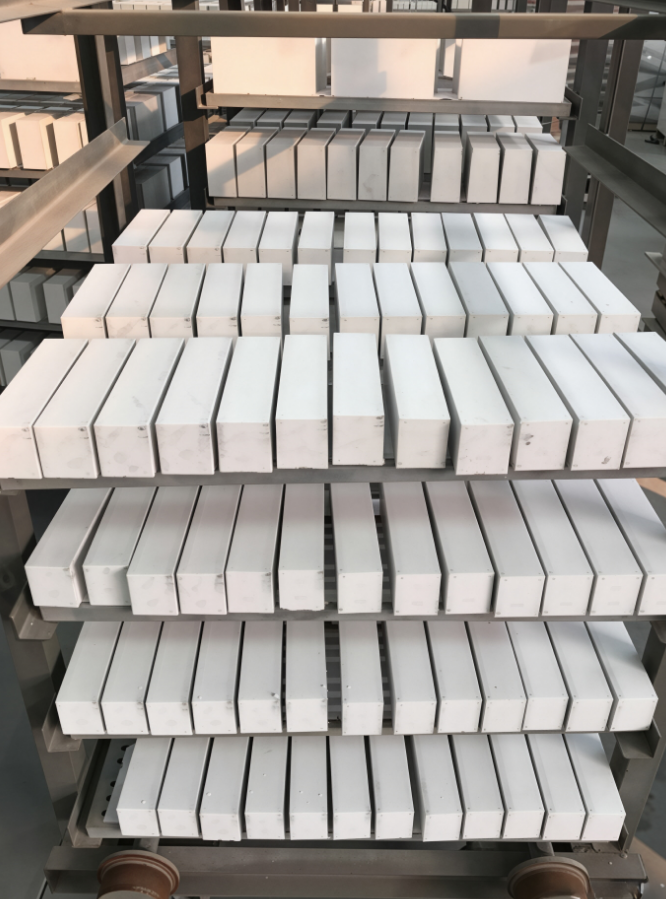
Lightweight insulating fire bricks are widely used as thermal insulation materials in industrial furnaces because of their low thermal conductivity, high temperature resistance, and energy-saving performance. Compared with traditional dense refractory bricks, insulating fire bricks significantly reduce heat loss inside the furnace lining system. This allows industrial equipment to maintain stable temperatures with lower fuel consumption.
A major advantage of lightweight insulating fire bricks is their excellent thermal insulation capability. Their internal porous structure helps block heat transfer, keeping more thermal energy inside the furnace chamber. In industries where furnaces operate continuously at temperatures above 1000°C, even small improvements in insulation efficiency can lead to significant energy savings over time.
Another important benefit is the reduction of furnace shell temperature. By using high-quality refractory insulation materials, the external temperature of industrial equipment becomes lower and safer for workers. This not only improves workplace safety but also protects the steel structure of the furnace from overheating and deformation.
In addition to energy efficiency, lightweight insulating fire bricks can also help extend furnace service life. Stable insulation reduces thermal shock and minimizes internal temperature fluctuations, which are common causes of refractory damage. As a result, maintenance frequency decreases and production downtime is reduced, improving overall operational efficiency for factories.
Different industries require different grades of insulating refractory materials. For example, ceramic tunnel kilns often use lightweight mullite insulation bricks because of their excellent thermal stability, while steel ladles and industrial boilers may require higher strength refractory insulation products. Selecting the correct refractory supplier and matching the right material to the furnace environment is critical for long-term performance.
With the growing global focus on carbon reduction and industrial energy optimization, the demand for energy-saving refractory materials continues to increase. More manufacturers are upgrading traditional furnace linings to lightweight refractory systems in order to reduce operating costs and improve thermal efficiency.
For refractory material suppliers, this trend also creates new opportunities in international markets. Countries with expanding steel, glass, and non-ferrous metal industries are actively seeking reliable refractory insulation solutions. High-quality lightweight insulating fire bricks are becoming an important product category in the global refractory market.
When choosing insulating fire bricks, factories should consider several factors, including operating temperature, bulk density, thermal conductivity, compressive strength, and installation environment. A professional refractory supplier can provide customized solutions based on the specific furnace structure and working conditions.
In conclusion, lightweight insulating fire bricks play a critical role in modern industrial furnace systems. Their ability to reduce heat loss, save energy, improve safety, and extend furnace lifespan makes them one of the most valuable refractory insulation materials in high-temperature industries today. As industrial energy standards continue to rise, the application of lightweight refractory products will become even more important in the future.