Lightweight High-Alumina Insulating Bricks for Industrial Furnace Energy Saving and Thermal Efficiency Optimization
In modern high-temperature industries such as steelmaking, cement production, glass manufacturing, and petrochemical processing, energy efficiency and heat loss control have become critical factors affecting production cost and long-term equipment performance. Industrial furnaces operating under extreme temperatures, often ranging from 1000°C to over 1700°C, require refractory systems that not only withstand thermal stress but also significantly reduce energy consumption. In this context, lightweight high-alumina insulating bricks have become an increasingly important material in furnace lining design and energy-saving optimization.
Traditional dense refractory bricks are widely used due to their excellent mechanical strength and high-temperature resistance. However, their relatively high thermal conductivity often leads to significant heat loss through furnace walls. As global energy costs continue to rise and environmental regulations become stricter, industries are shifting toward multi-layer refractory lining structures that combine working layers, safety layers, and insulation layers. Among these, the insulation layer plays a decisive role in improving overall furnace efficiency, and lightweight high-alumina insulating bricks are widely applied in this function.
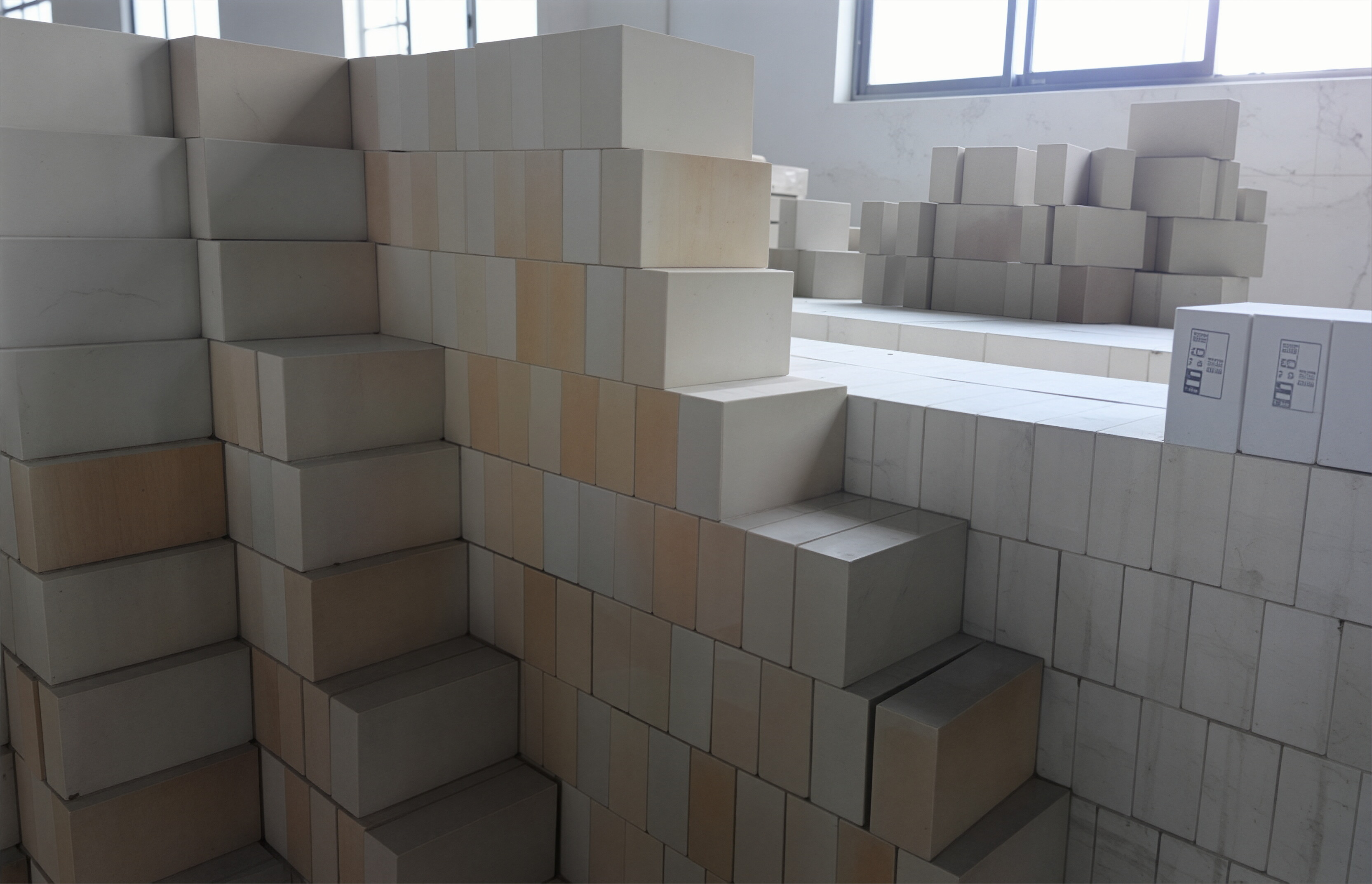
Lightweight high-alumina insulating bricks are produced using high-purity alumina raw materials combined with controlled pore-forming technology. Their internal structure contains uniformly distributed pores, which significantly reduce heat transfer while maintaining sufficient structural stability for insulation applications. Typically, these bricks contain Al₂O₃ content ranging from 40% to 75%, with bulk density between 0.6 and 1.2 g/cm³, and can operate under temperatures from 1200°C to 1400°C depending on the grade. Compared with conventional dense bricks, their main design focus is thermal insulation performance rather than load-bearing capacity, making them ideal for backup and insulation zones in furnace systems.
One of the most significant advantages of lightweight high-alumina insulating bricks is their excellent thermal insulation performance. The porous internal structure effectively blocks heat conduction, reducing furnace wall surface temperature and minimizing energy loss during continuous operation. This directly contributes to lower fuel consumption and improved thermal efficiency, especially in large-scale industrial production systems where even small improvements in insulation performance can generate substantial long-term cost savings.
In addition to energy-saving benefits, these bricks also offer lightweight properties that simplify installation and reduce the overall load on furnace structures. This makes construction and maintenance more efficient, particularly in complex furnace designs where handling and fitting traditional dense bricks can be challenging. Furthermore, despite their lightweight nature, these bricks still maintain stable performance under high-temperature conditions and are suitable for use in non-direct flame zones as insulation layers.
From an application perspective, lightweight high-alumina insulating bricks are widely used in steel ladle backing insulation, blast furnace insulation systems, cement rotary kiln thermal zones, glass furnace regenerator walls, industrial heating furnaces, and petrochemical high-temperature equipment. In most cases, they are used as part of a composite lining system together with high-alumina bricks, refractory castables, or other dense refractory materials, forming a complete thermal protection structure that balances strength and energy efficiency.
With the continuous development of industrial technology and the increasing focus on carbon reduction and sustainable manufacturing, the refractory industry is also undergoing transformation. Modern furnace design is no longer based on single-layer refractory structures but instead adopts optimized composite systems that improve both durability and thermal performance. Lightweight insulating materials play a key role in this transition, as they significantly reduce heat loss and improve overall energy utilization efficiency.
Looking forward, the development of lightweight high-alumina insulating bricks will continue toward lower thermal conductivity, higher temperature resistance, improved mechanical strength, and more environmentally friendly production processes. The integration of advanced material technologies, such as nano-enhancement and improved pore control techniques, is expected to further enhance their performance and expand their application scope in high-temperature industries.
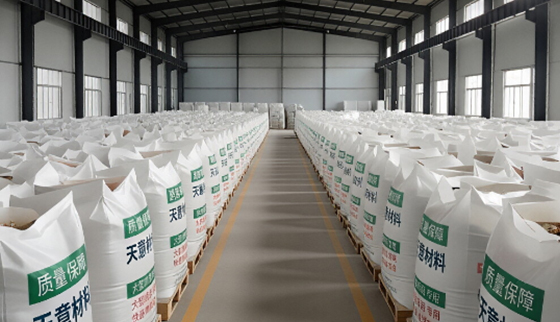
We provide a full range of lightweight high-alumina insulating bricks with stable quality and customizable specifications to meet different industrial furnace requirements. Products can be tailored based on alumina content, density, size, and working conditions to ensure optimal performance in specific applications. In addition to material supply, we also offer technical support including furnace lining design recommendations, insulation system optimization, and application guidance to help customers achieve better energy-saving results.
If you are involved in furnace construction, refractory material procurement, or energy-saving renovation projects, we welcome you to contact us with your technical requirements. Our team can provide suitable material solutions based on your working temperature, furnace structure, and application environment, helping you improve furnace efficiency, reduce operating costs, and extend equipment service life.