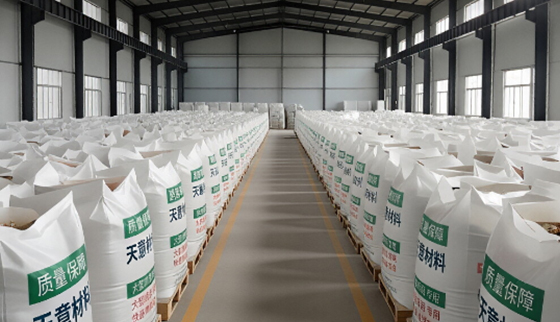
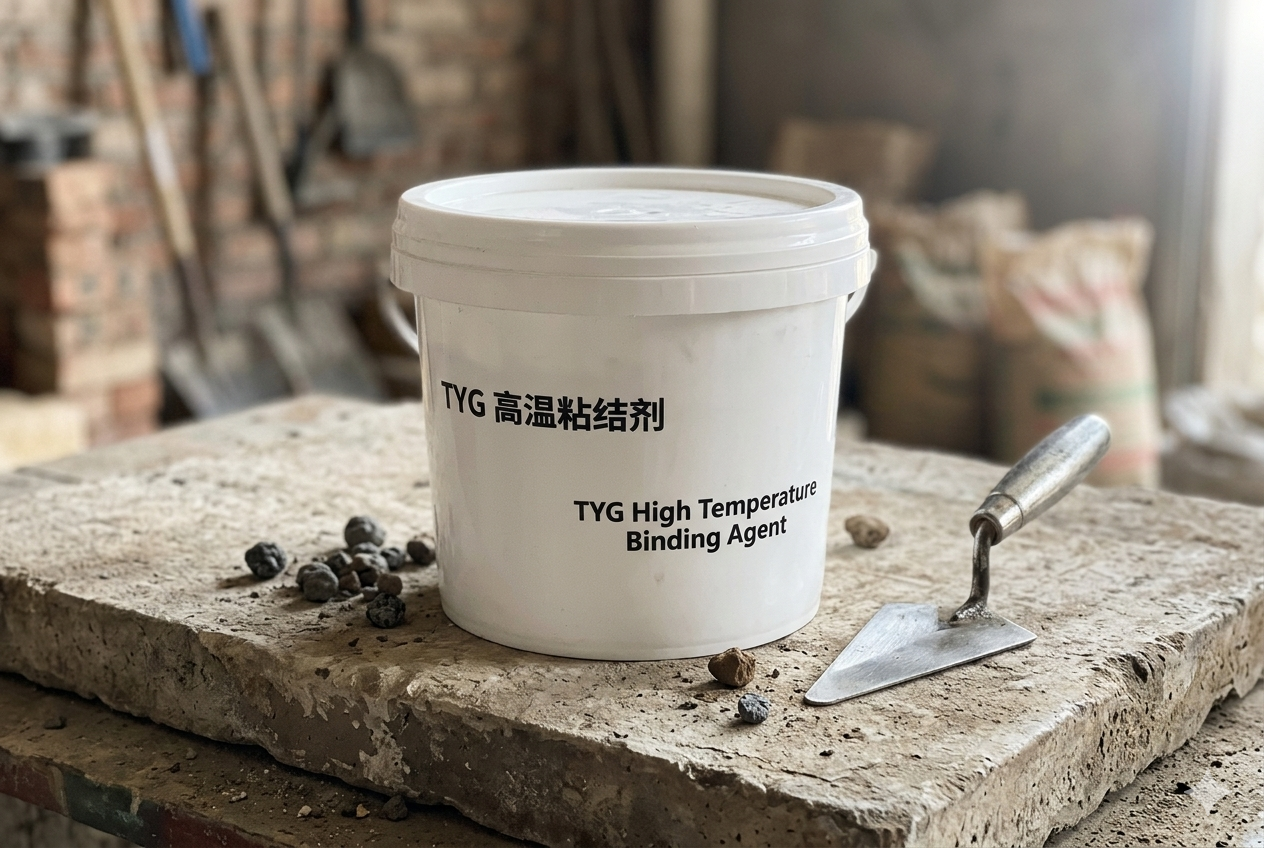
Binders are an important component of refractory material formulations. They are mainly used to bond aggregates and fine powders together while improving forming properties, workability and mechanical strength.
Based on their composition and bonding mechanism, refractory binders can generally be divided into organic binders and inorganic binders.
1. Organic Binders
Organic binders are based on organic compounds and develop bonding strength through physical curing, chemical reactions or carbonization at high temperatures.
Common types include:
Resin binders: phenolic resin, epoxy resin and polyimide resin.
Pitch binders: coal tar pitch and petroleum pitch.
Polymer binders: polyvinyl alcohol, polyurethane and carboxymethyl cellulose.
Natural organic binders: dextrin and lignosulfonates.
Organic binders provide good bonding and forming properties at room temperature. Some can form residual carbon after heating, making them widely used in magnesia-carbon bricks, carbon bricks and other carbon-containing refractories.
2. Inorganic Binders
Inorganic binders are based on inorganic compounds and form bonding structures through hydration, chemical reactions, gelation or high-temperature sintering.
Common types include:
Silicate binders: water glass and sodium silicate.
Aluminate binders: calcium aluminate cement and high-purity calcium aluminate cement.
Phosphate binders: phosphoric acid, aluminum dihydrogen phosphate and sodium tripolyphosphate.
Sol binders: silica sol and alumina sol.
Ultrafine powders: silica fume and reactive alumina powder.
Inorganic binders generally provide good high-temperature stability and are widely used in refractory castables, gunning mixes, ramming materials, plastic refractories and unfired refractory bricks.
3. Functions of Binders in Refractory Materials
Binders do more than simply bond refractory raw materials together. They can significantly affect the overall performance of refractory products.
Their main functions include:
Improving forming properties – enhancing flowability, plasticity and workability.
Increasing room-temperature strength – improving stability during demolding, transportation and installation.
Optimizing particle structure – helping aggregates, fine powders and ultrafine powders form a stable structure.
Improving high-temperature performance – supporting high-temperature strength and corrosion resistance.
Extending service life – influencing porosity, thermal shock resistance and resistance to chemical attack.
4. Applications in Different Refractory Materials
Refractory Castables: Calcium aluminate cement, silica sol and alumina sol are commonly used as bonding systems.
Gunning Materials: Cement and phosphate binders can be selected according to the spraying process to improve adhesion and setting properties.
Ramming and Plastic Refractories: Phosphoric acid, phosphate binders or bonding clay can be used to improve plasticity and workability.
Fired Refractory Bricks: Temporary binders such as dextrin and lignosulfonates are commonly used and gradually burn out during firing.
Unfired Refractory Bricks: Phosphate binders, water glass or resin binders can form chemical bonds and provide strength.
Carbon-Containing Refractories: Magnesia-carbon bricks, alumina-magnesia-carbon bricks and carbon bricks commonly use phenolic resin or pitch as carbon binders.
5. Selection of Refractory Binders
The selection of a suitable binder should consider raw material grading, installation method, operating temperature, furnace atmosphere, strength requirements and corrosion resistance.
A higher binder addition does not necessarily provide better performance. Excessive binder may affect pore structure and high-temperature properties. Therefore, the appropriate binder type and dosage should be determined through formulation design and testing.
Conclusion
Proper binder selection can improve the forming and installation properties of refractory materials while enhancing room-temperature strength, high-temperature performance and corrosion resistance.
Selecting the appropriate organic or inorganic bonding system according to the specific application is an important part of refractory material formulation and performance optimization.