Coke oven flue ducts are continuously exposed to high-temperature gases, dust and thermal stress. Therefore, the refractory bricks used for flue duct linings must have good high-temperature resistance, thermal shock resistance and structural stability. Proper refractory brick selection and professional masonry construction can help maintain smooth gas flow and extend the service life of the coke oven lining.
1. Preparation Before Construction
Suitable refractory bricks and refractory mortar should be selected according to the operating temperature, gas conditions and structural requirements of the coke oven flue duct.
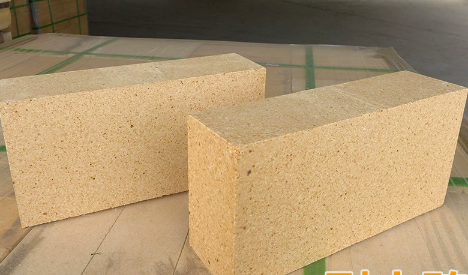
The refractory bricks should meet the design requirements in terms of size, shape and appearance. Bricks with serious damage, cracks or deformation should not be used.
Technical clarification should also be completed before construction, and all tools, materials and foundation conditions should be inspected.
2. Foundation Cleaning
Before masonry, dust, oil, debris and loose materials should be completely removed from the foundation surface.
The foundation should be firm, clean and level to provide stable support for the refractory brick lining and reduce the risk of settlement or loosening during operation.
3. Preparation of Refractory Mortar
The refractory mortar should be selected according to the type of refractory brick and the construction requirements.
Water should be added according to the product specifications, and the mortar should be mixed thoroughly to achieve suitable workability. Excessively wet or dry mortar may negatively affect joint quality and the overall strength of the lining.
4. Refractory Brick Masonry
Refractory bricks should be installed according to the engineering drawings and specified masonry sequence.
Refractory mortar should be applied evenly to the contact surfaces before the bricks are accurately positioned and leveled.
During construction, special attention should be paid to joint thickness, surface flatness and brick alignment. The internal lining should be arranged according to the direction of flue gas flow to minimize gas resistance and reduce areas where dust may accumulate.
Expansion joints should also be provided according to the design requirements to accommodate thermal expansion during high-temperature operation.
5. Quality Inspection
The brick joints, flatness, vertical alignment and overall dimensions should be checked continuously during construction.
Any displaced, loose or cracked bricks, as well as insufficiently filled mortar joints, should be corrected promptly.
After masonry is completed, the entire flue duct lining should be inspected to ensure that the structure is complete, the joints are uniform and the gas passage remains unobstructed.
6. Curing and Drying
After masonry, the refractory lining should be cured according to the technical requirements of the selected refractory materials.
The lining should be protected from rain, excessive moisture and other unfavorable conditions.
Before the coke oven is put into operation, if drying or controlled heating is required, the specified heating schedule should be strictly followed. Excessive heating rates may cause internal cracking of refractory bricks and masonry joints.
Key Construction Considerations
The key factors in coke oven flue duct refractory brick masonry include proper refractory material selection, joint thickness control, lining flatness, expansion joint design, curing and controlled heating.
Professional construction can improve the high-temperature resistance and structural stability of the flue duct lining while reducing cracking, loosening and dust accumulation, providing reliable refractory protection for long-term coke oven operation.