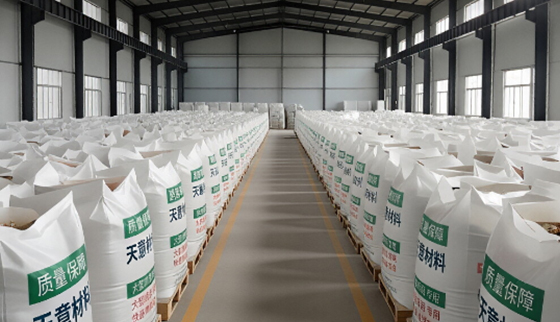
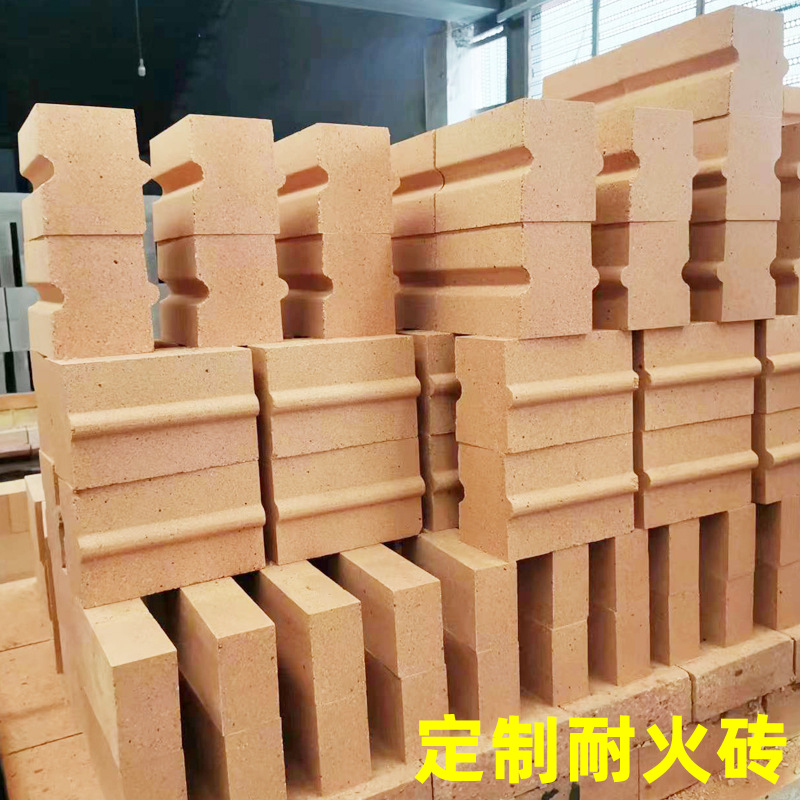
Refractory bricks are essential materials used in steel, cement, glass, petrochemical, power generation, and non-ferrous metallurgy industries. Their prices vary significantly depending on material composition, performance requirements, manufacturing process, and application conditions.
1. Raw Material Quality
The primary factor affecting refractory brick prices is the raw material.
Common refractory bricks include:
Clay Bricks
High Alumina Bricks
Mullite Bricks
Corundum Bricks
Silica Bricks
Magnesia Bricks
Magnesia Carbon Bricks
AZS Bricks
Higher contents of Al₂O₃, MgO, or ZrO₂ generally provide better refractoriness and longer service life but also increase production costs.
2. Size and Shape
Standard bricks are mass-produced using standard molds, making them more economical.
Custom-shaped refractory bricks require dedicated molds, precision machining, and additional manufacturing steps, resulting in higher prices.
Large precast refractory components are even more expensive due to their complex production process.
3. Performance Requirements
Higher technical specifications usually lead to higher prices.
Important performance indicators include:
Improved performance requires higher-quality raw materials and stricter manufacturing control.
4. Order Quantity
Large-volume purchases reduce production and mold costs, allowing manufacturers to offer more competitive pricing.
Small custom orders generally have higher unit costs.
5. Packaging, Transportation, and Certification
Additional costs may include:
Shipping distance and destination country requirements also affect the final quotation.
6. Market Conditions
Raw material prices, natural gas costs, environmental regulations, and logistics expenses all influence refractory brick prices.
Market fluctuations may cause quotations to change over time.
How to Get an Accurate Quotation
To receive an accurate quotation, buyers should provide:
Complete technical information allows manufacturers to recommend suitable products and provide competitive pricing.
Conclusion
The price of refractory bricks is determined by raw materials, dimensions, performance, manufacturing process, order quantity, transportation, and market conditions. Rather than focusing only on the lowest price, buyers should consider product quality, service life, and overall operating costs. Choosing a reliable refractory brick manufacturer ensures better performance, longer furnace life, and lower maintenance costs over the long term.