咨询热线:18906399575
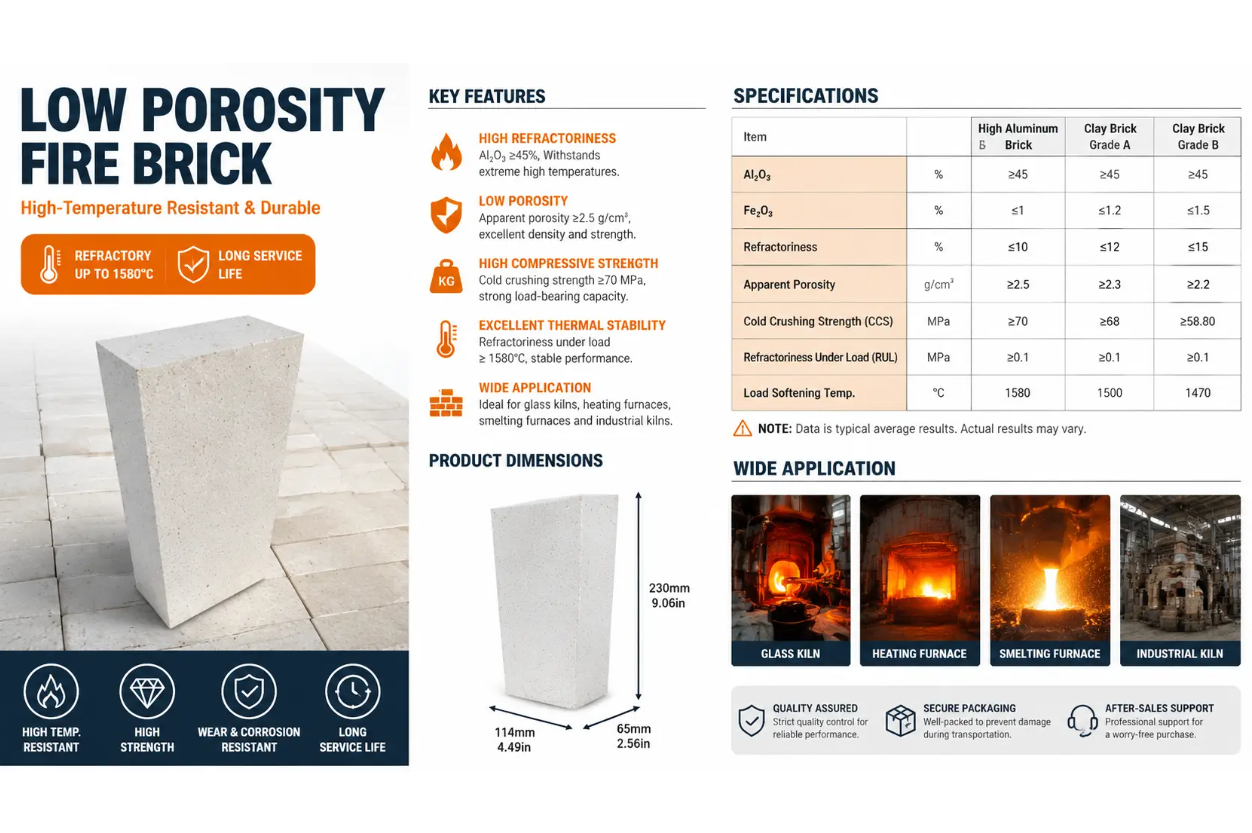
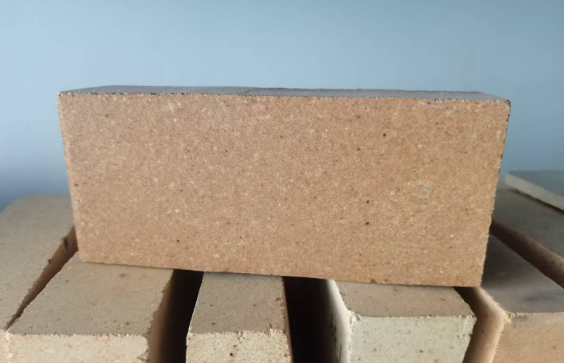
The main difference between low porosity clay bricks and ordinary fire clay bricks lies in their manufacturing process, porosity, and overall performance. Ordinary clay refractory bricks generally have an apparent porosity of 22%–26%, while low porosity clay bricks usually have an apparent porosity below 17%, providing higher density and improved resistance to harsh operating conditions.Low porosity clay bricks are manufactured using high-quality fire clay, flint clay, and other selected refractory raw materials. Through optimized particle grading, high-pressure molding, and high-temperature firing processes, the internal structure of the bricks becomes more compact. The high-pressure forming process effectively reduces internal pores, increases bulk density, and improves mechanical strength. Meanwhile, proper control of firing temperature enhances sintering and further reduces porosity.Ordinary fire clay bricks are weakly acidic refractory products with an Al₂O₃ content generally between 30% and 48%. They are made from soft clay and hard clay clinker through mixing, shaping, drying, and firing at approximately 1300–1400℃. Due to their good thermal shock resistance and stable refractory performance, ordinary clay bricks are widely used in many industrial kilns.Compared with ordinary clay bricks, low porosity clay bricks have a denser structure, lower water absorption, and better resistance to slag penetration and chemical erosion. The reduced pore structure helps prevent the penetration of molten materials and corrosive gases, improving the service life of furnace linings under high-temperature conditions.During production, the formation of fine and evenly distributed micropores inside low porosity clay bricks can also improve thermal shock resistance. When exposed to rapid temperature changes, these micropores can absorb and release thermal stress, reducing crack propagation and preventing large-scale spalling. As a result, low porosity clay bricks demonstrate better resistance to thermal stress and mechanical damage.Low porosity clay bricks are widely used in blast furnaces, hot blast stoves, coke ovens, glass furnaces, cement kilns, lime kilns, and other high-temperature industrial equipment. They are an upgraded alternative to ordinary fire clay bricks, especially suitable for areas requiring higher strength, corrosion resistance, and longer service life.Xinxiang Tianyi Thermal Insulation Materials Co., Ltd. specializes in the research, production, and export of refractory materials. Our products include low porosity clay bricks, high alumina bricks, mullite bricks, insulating fire bricks, refractory castables, and customized refractory products. We provide professional refractory solutions according to different industrial furnace operating conditions.
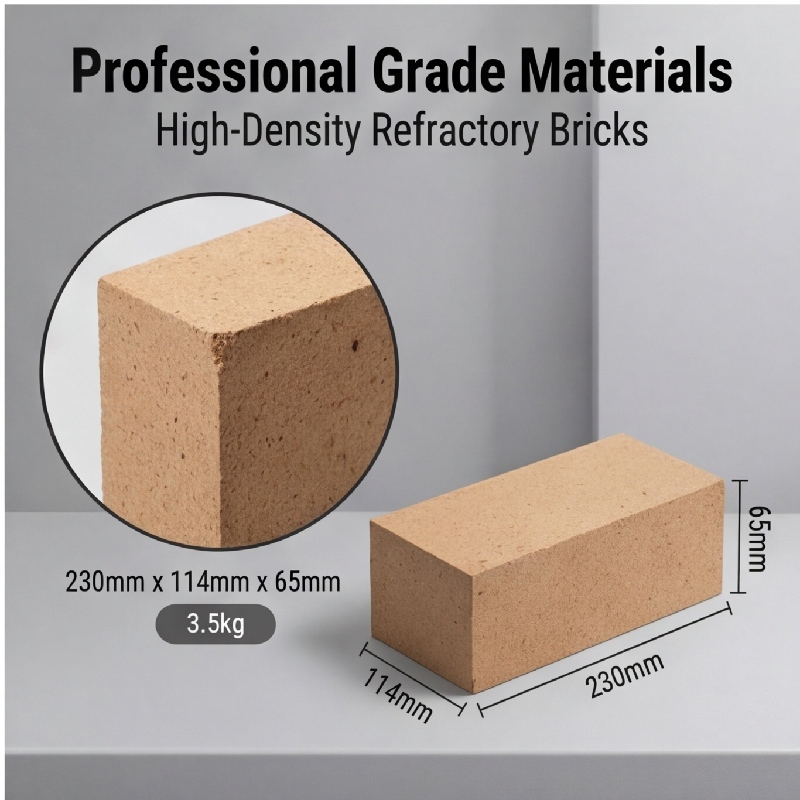
Refractory brick is an important high-temperature lining material widely used in industrial furnaces and kilns, including steel, cement, glass, metallurgy, lime kiln, and chemical industries. According to refractoriness, chemical composition, and application conditions, refractory bricks can be divided into high alumina bricks, fire clay bricks, mullite insulating bricks, corundum bricks, magnesia bricks, shaped refractory bricks, and refractory precast blocks.Refractory bricks are generally classified by refractoriness:Ordinary refractory materials: 1580℃~1770℃High-grade refractory materials: 1770℃~2000℃Special refractory materials: Above 2000℃Main Types of Refractory BricksHigh Alumina BrickHigh alumina bricks are made mainly from high-grade bauxite and feature high refractoriness, excellent high-temperature strength, and good resistance to slag erosion. They are widely used in cement kilns, lime kilns, glass furnaces, and steel heating furnaces.Mullite Insulating BrickMullite insulating bricks have lightweight properties, low thermal conductivity, and excellent thermal insulation performance. They help reduce heat loss and improve energy efficiency in high-temperature furnaces.Corundum BrickCorundum bricks offer outstanding high-temperature resistance, wear resistance, and chemical corrosion resistance. They are suitable for glass melting furnaces, special industrial furnaces, and other extreme high-temperature applications.Magnesia BrickMagnesia bricks are alkaline refractory materials with excellent resistance to alkaline slag corrosion. They are mainly used in steelmaking furnaces, cement rotary kilns, and other high-temperature industrial equipment.Tianyi Refractory MaterialsXinxiang Tianyi Thermal Materials Co., Ltd. specializes in manufacturing refractory bricks and high-temperature refractory materials. Our products include:High Alumina BricksFire Clay BricksMullite Insulating BricksCorundum BricksMagnesia BricksShaped Refractory BricksRefractory Precast BlocksOur refractory products are widely used in steel, cement, glass, metallurgy, chemical, and other high-temperature industries. Tianyi provides reliable, durable, and customized refractory solutions to meet different industrial furnace requirements.
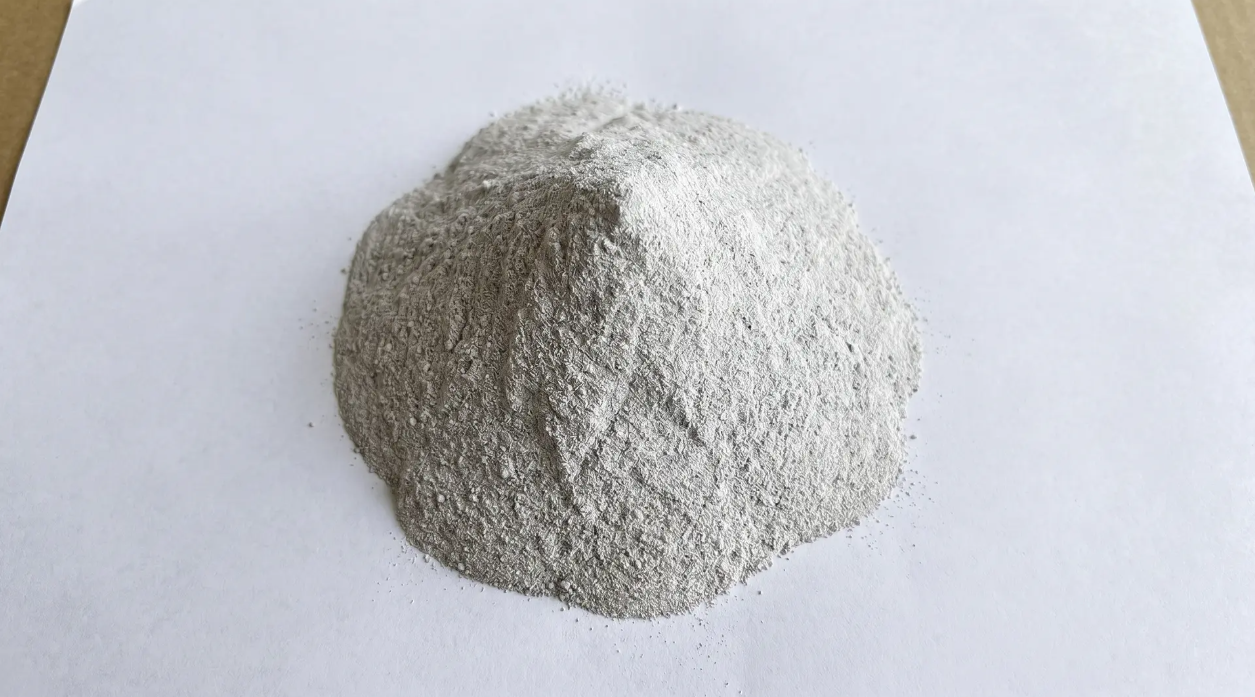
Corundum wear-resistant plastic refractory is a special unshaped refractory material designed for repairing furnace walls and high-wear areas of circulating fluidized bed (CFB) boilers. The material has a hard mud-like texture and maintains excellent plasticity for a relatively long period, making it easy to shape and install during construction.The product contains high-quality corundum aggregates, refractory powders, plastic clay components, binders, and various additives. Before hardening, it provides excellent workability and can be shaped into sheets, blocks, or applied directly to damaged areas. After hardening and high-temperature treatment, it forms a dense refractory lining with high strength and excellent resistance to wear, erosion, and thermal shock.Compared with ordinary refractory materials, corundum plastic refractory has outstanding abrasion resistance under high-temperature conditions. It can effectively withstand continuous impact from high-speed circulating ash particles, coal ash erosion, and mechanical wear inside CFB boilers, extending the service life of furnace linings and reducing maintenance frequency.The material can be installed by tamping, vibration, or pressing methods. Depending on different operating conditions, various bonding systems such as water glass bonding, phosphate bonding, and organic bonding can be selected. According to the hardening mechanism, it can be classified into air-hardening and heat-hardening plastic refractories.Product FeaturesExcellent wear resistance and erosion resistance against high-speed ash particles;Good plasticity for convenient repair and installation in complex areas;High-temperature strength and excellent sintering performance;Good volume stability with reduced cracking and peeling during operation;Strong adaptability for long-term operation in high-temperature industrial equipment.ApplicationsCorundum wear-resistant plastic refractory is widely used in circulating fluidized bed boilers, especially in areas exposed to severe abrasion, including:CFB boiler furnace walls;Cyclone separators;Return feeders;Ash impact zones;High-temperature erosion areas;Boiler lining repair sections.Xinxiang Tianyi Thermal Materials is a professional manufacturer of high-temperature refractory and thermal insulation materials. Our main products include refractory castables, wear-resistant castables, low cement castables, corundum castables, refractory bricks, lightweight insulation bricks, ceramic fiber products, and various monolithic refractory materials.With advanced production technology, strict quality control, and extensive experience in industrial furnace applications, Tianyi Thermal Materials provides reliable refractory solutions for steel, metallurgy, cement, glass, power generation, chemical, and non-ferrous industries. Our products help customers improve furnace efficiency, reduce heat loss, and extend the service life of high-temperature equipment.
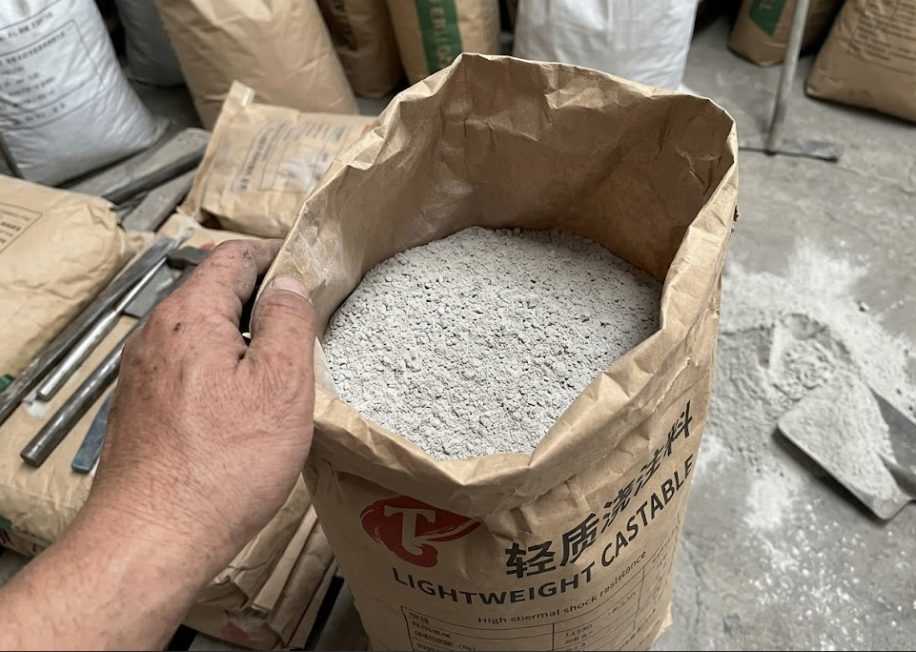
Lightweight Castable: An Efficient Insulating Refractory Material SolutionLightweight castable is an unshaped refractory material manufactured by combining calcium aluminate cement, high alumina fine powder, lightweight aggregates such as ceramic particles, and various performance-enhancing additives.With characteristics of low bulk density, high compressive strength, excellent thermal insulation performance, low water absorption and resistance to acidic gas corrosion, lightweight castables are widely used for thermal insulation and lining applications in high-temperature industrial equipment.Due to its simple installation process and convenient construction, lightweight castable can be quickly applied to furnace linings, insulation layers and thermal protection structures, making it an ideal material for energy-saving improvements in modern industrial furnaces.Classification of Lightweight Castables by Service TemperatureLow Temperature Lightweight Castable (≤900℃)Low temperature lightweight castable is designed for applications below 900℃. It generally uses lightweight aggregates such as expanded vermiculite, expanded perlite and ceramic particles, combined with ordinary Portland cement, bauxite cement or water glass binders.This type of castable provides excellent insulation performance and lightweight characteristics, making it suitable for equipment insulation layers and low-temperature furnace structures.Medium Temperature Lightweight Castable (900-1200℃)Medium temperature lightweight castable is suitable for working temperatures between 900℃ and 1200℃. It commonly uses porous clay particles, clay ceramic aggregates and shale ceramic aggregates as main aggregates.Bauxite cement, calcium aluminate cement or monoaluminum phosphate are used as bonding systems. According to specific requirements, silica fume and cenospheres can be added to reduce bulk density and improve thermal insulation performance.The amount of binder can be adjusted according to the required mechanical strength. Higher strength requirements generally require an increased binder content.High Temperature Lightweight Castable (≥1200℃)High temperature lightweight castable is designed for applications above 1200℃. It uses lightweight aggregates or hollow spheres made from corundum, high alumina materials, mullite, clay, magnesia and magnesia-alumina spinel.The bonding system may include calcium aluminate cement, monoaluminum phosphate, silica sol, alumina sol and silica micropowder, providing excellent high-temperature stability, thermal shock resistance and corrosion resistance.Xinxiang Tianyi Insulation Material Co., Ltd. specializes in the research, development and manufacturing of advanced refractory and thermal insulation materials.Our main products include lightweight castables, high alumina castables, low cement castables, wear resistant castables, steel fiber reinforced castables and various monolithic refractory materials.Our products are widely used in high-temperature industries including steel, glass, cement, metallurgy, power generation and chemical processing.With advanced manufacturing technology, strict quality control and extensive industrial experience, Tianyi provides reliable refractory solutions for global customers, helping improve furnace efficiency, reduce energy consumption and extend equipment service life.
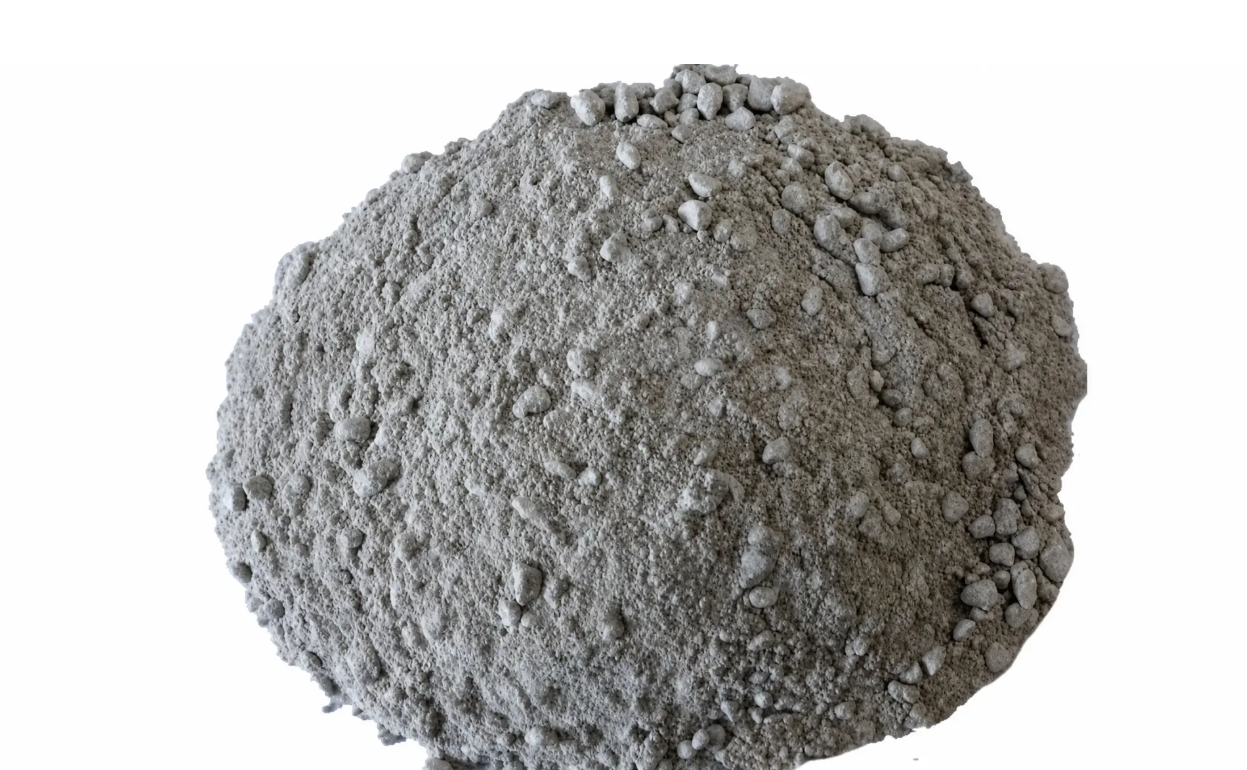
Our refractory coatings are specifically designed for high-temperature industrial applications, offering excellent oxidation resistance, corrosion resistance, and thermal shock stability to provide long-term protection for furnace linings.These products are widely used in high-temperature industries such as metallurgy, cement, glass, and ceramics, helping to minimize surface damage, extend equipment service life, and reduce maintenance costs.The products are available in three grades (A, B, and C) to meet diverse operational requirements.Grade A products contain ≥82% MgO and ≥4% Al₂O₃, with a bulk density of ≥2.4 g/cm³. Compressive strength is ≥6 MPa after drying at 110°C and ≥4 MPa after firing at 1500°C, making them suitable for areas subject to frequent thermal shock.Grade B products offer higher strength, containing ≥85% MgO and ≥3% Al₂O₃ with a bulk density of ≥2.45 g/cm³. Compressive strength reaches 10 MPa after drying and 12 MPa after high-temperature firing, making them ideal for high-temperature and heavy-duty operating conditions.Grade C products feature low shrinkage and high density, containing ≥70% MgO and ≤10% CaO with a bulk density of up to 2.6 g/cm³. They offer excellent dimensional stability and are suitable for thick-layer applications and repair work.All grades undergo rigorous testing (drying at 110°C for 24 hours and firing at 1500°C for 3 hours) to ensure stable performance, strong bonding, and reliable protection during long-term operation.Tianyi refractory coatings offer customized solutions designed to enhance furnace efficiency, minimize downtime, and extend the service life of industrial equipment.
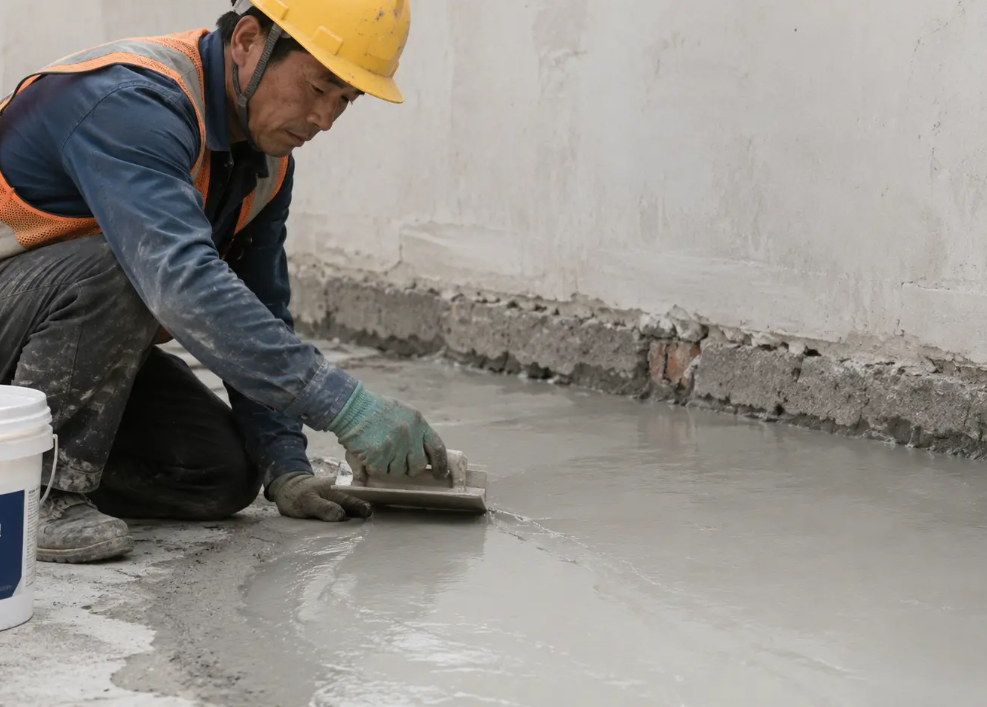
In cement production plants, refractory castables are widely used as lining materials in high-temperature equipment such as rotary kilns, preheaters, calciners, and grate coolers. After installation, surface pores, honeycomb structures, or loose areas may appear on the castable surface. These defects not only affect the compactness of the refractory lining but also reduce wear resistance, corrosion resistance, and service life. In severe cases, they may cause premature failure of the refractory lining and affect the stable operation of cement production equipment.The formation of surface pores in cement plant refractory castables is caused by multiple factors, including raw material quality, construction procedures, vibration methods, water addition control, mold conditions, curing processes, and heating procedures.Raw material quality is one of the most important factors affecting castable porosity. Refractory castables are mainly composed of refractory aggregates, fine powders, binders, and additives. If the raw materials are not properly selected or contain excessive impurities, the internal structure and density of the castable will be affected. For example, materials containing excessive limestone or free calcium oxide may react with water during mixing and installation, causing volume changes and damaging the internal structure.During high-temperature operation, carbonate impurities may decompose and release gas:CaCO₃ → CaO + CO₂↑If the generated gas cannot escape effectively, it may remain inside the castable and form pores. In addition, improper material formulation, such as insufficient fine powder content, poor particle size distribution, or excessive binder content, can prevent the slurry from fully filling the gaps between aggregates, resulting in increased porosity and surface defects.Construction methods also play an important role in preventing castable pores. During mixing, transportation, and pouring, a certain amount of air may enter the material. If vibration is insufficient during installation, the trapped air cannot be removed effectively, resulting in internal air bubbles and surface holes.This problem is especially common around anchor areas, corners, and narrow spaces where vibration equipment cannot work effectively. Insufficient vibration may leave air pockets inside the castable, while excessive vibration can cause aggregate segregation and reduce structural uniformity. Therefore, proper vibration time and methods should be selected according to the type of refractory castable and construction conditions.Water addition control is another critical factor affecting castable performance. During installation, the amount of water added must strictly follow the manufacturer's technical requirements. Excessive water improves flowability but creates more pores after evaporation, resulting in lower density, reduced strength, and poor wear resistance. On the other hand, insufficient water reduces workability, making it difficult for the castable to fill the mold completely and increasing the risk of internal voids.Proper mixing is also essential for achieving a dense refractory structure. If the mixing time is insufficient, refractory aggregates, fine powders, binders, and additives may not be evenly distributed. This can create areas with insufficient bonding materials or uneven structures, leading to pore formation. Forced mixers are recommended to ensure complete dry mixing and wet mixing until a uniform consistency is achieved.The quality and installation of molds can also influence the final surface condition of refractory castables. Loose mold joints or leakage may cause cement slurry loss during pouring, leaving exposed aggregates and creating honeycomb structures or surface pores. In addition, improper use of release agents, excessive coating thickness, or unclean mold surfaces may affect the smoothness and density of the castable surface. Therefore, molds should be carefully inspected before construction to ensure proper sealing, stability, and surface condition.Environmental conditions during construction should also be considered. Cement plant maintenance projects are often carried out under different temperature and humidity conditions. In high-temperature environments, rapid water evaporation from the castable surface can cause insufficient hydration, resulting in surface shrinkage, looseness, and increased porosity. In cold conditions, the hydration process slows down, affecting early strength development. Proper construction measures should be adopted according to the site environment.Insufficient curing is another common reason for surface porosity. After installation, refractory castables require proper curing to complete hydration reactions and develop strength. If curing time is too short or the surface loses moisture too quickly, the surface layer may become weak, dusty, and porous, reducing the overall performance of the lining.In addition, improper heating procedures after installation may also cause serious problems. Cement kiln refractory castables contain free water and chemically bonded water. If the temperature rises too quickly during the initial heating process, water may rapidly turn into steam. When the steam pressure exceeds the strength of the castable structure, cracks, spalling, and internal pores may occur. Therefore, the initial heating process must follow a proper temperature schedule recommended by the refractory manufacturer.To reduce surface porosity in cement plant refractory castables, strict quality control should be implemented throughout the entire process. High-quality raw materials and properly designed formulations should be selected to ensure stable chemical composition and particle distribution. During construction, water addition, mixing, vibration, and mold installation must be carefully controlled. Proper curing and controlled heating procedures are also necessary to ensure the castable achieves maximum strength and durability.Surface pores in cement plant refractory castables are not caused by a single factor but are the result of combined effects from materials, construction techniques, curing conditions, and heating processes. Through comprehensive quality control from material selection to installation and operation, the porosity of refractory castables can be effectively reduced. This improves wear resistance, thermal shock resistance, corrosion resistance, and service life, helping cement plants reduce maintenance costs and improve equipment reliability.Choosing a professional refractory castable manufacturer and applying standardized construction methods are essential for ensuring long-term and stable operation of high-temperature cement kiln equipment.
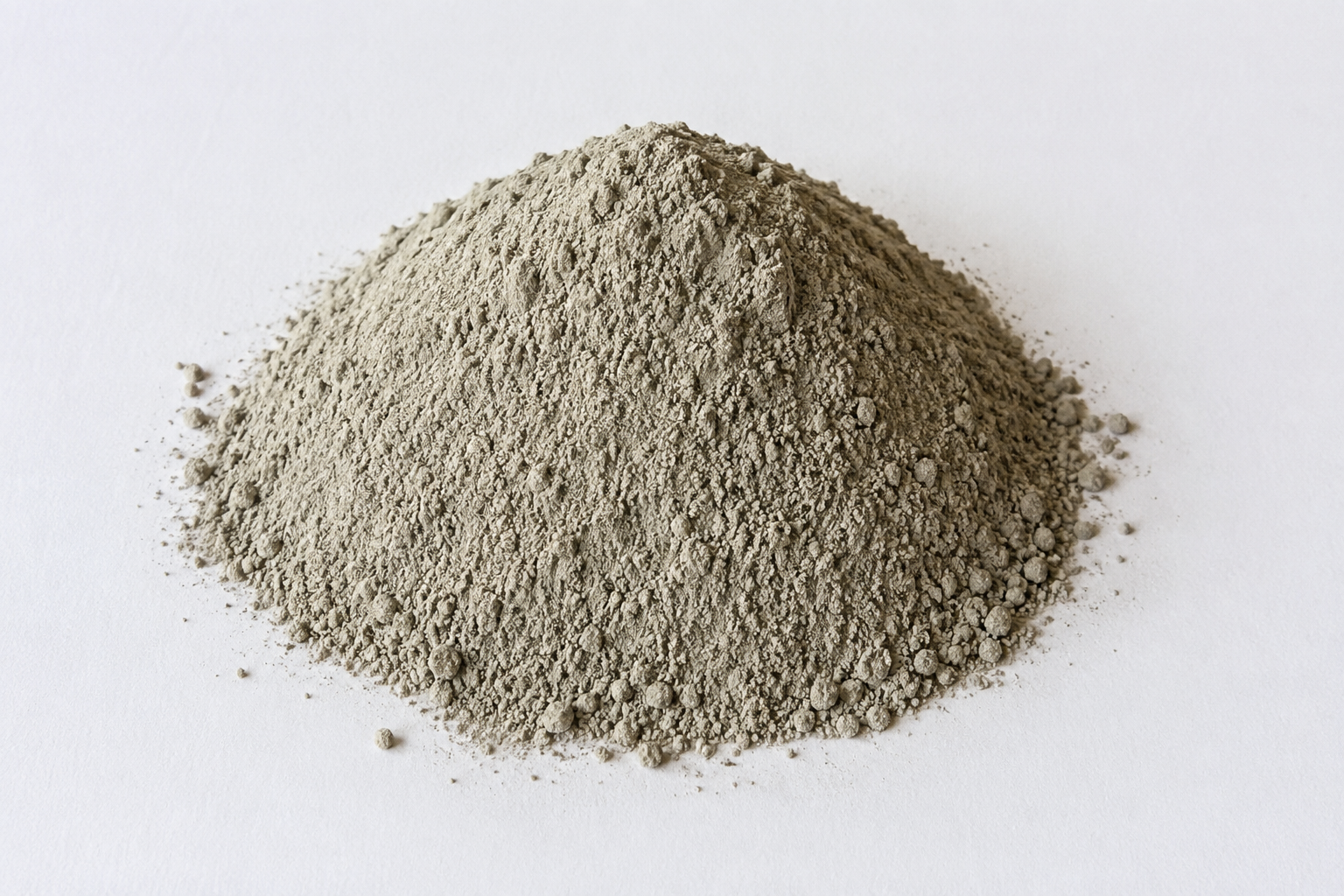
Low Cement Castable (LCC) is a high-performance monolithic refractory material that uses calcium aluminate cement as a binder. By reducing cement content, optimizing particle size distribution, and adding ultra-fine powders and efficient dispersing agents, low cement castables achieve excellent mechanical strength, thermal stability, and corrosion resistance.Generally, refractory castables with a CaO content below 2.5% are classified as Low Cement Castables. When the CaO content is controlled between 1.0% and 2.5%, the material is known as Ultra Low Cement Castable (ULCC). Compared with traditional castables, low cement castables contain less cement, resulting in lower impurity content and improved high-temperature performance.Tianyi Refractory Materials manufactures high-quality low cement castables using premium refractory raw materials, including high alumina clinker, corundum, mullite, and advanced ultra-fine powders. Through precise formulation and advanced production technology, our products achieve a dense structure, low porosity, high strength, and excellent resistance to thermal shock and chemical erosion.The performance of low cement castables mainly depends on the rational design of aggregate grading. By using multi-level particle size distribution, large, medium, and fine particles can effectively fill the gaps between each other, creating a compact structure with higher density. This structure improves mechanical strength, reduces permeability, and enhances resistance to slag penetration and abrasion.High-quality refractory powders are another key component of low cement castables. Materials such as high-grade alumina powder, active alumina, silicon carbide powder, and corundum powder are commonly used to improve the matrix structure. These materials enhance refractoriness, high-temperature stability, and resistance to aggressive operating conditions.During production, ultra-fine powders and chemical additives are carefully selected to improve the working performance of the castable. Ultra-fine powders help fill microscopic pores and promote sintering at high temperatures, while high-efficiency water reducers and dispersing agents improve flowability and reduce the required water addition. The lower water content helps decrease porosity after drying and increases the overall density of the refractory lining.One of the main advantages of low cement castables is their excellent high-temperature performance. Due to the reduced CaO content, fewer low-melting phases are generated during operation, allowing the material to maintain high strength and structural stability under extreme temperatures. This makes low cement castables ideal for demanding industrial applications requiring long service life and reliable performance.Tianyi low cement castables are widely used in various high-temperature industries, including steel, cement, glass, metallurgy, power generation, and petrochemical plants. Typical applications include heating furnaces, hot blast furnaces, steel ladles, tundish linings, rotary kilns, preheaters, glass melting furnaces, and other industrial thermal equipment.With advanced manufacturing technology, strict quality control, and extensive experience in refractory solutions, Xinxiang Tianyi Insulation Material Co., Ltd. provides customized refractory products designed to improve furnace efficiency, reduce energy consumption, and extend equipment service life.Our main products include low cement castables, high alumina castables, corundum self-flowing castables, abrasion-resistant castables, lightweight insulating castables, refractory bricks, ceramic fiber products, and high-temperature bonding materials.Tianyi Refractory Materials is committed to providing reliable high-temperature refractory solutions for global customers and helping industries achieve safer, more efficient, and more sustainable furnace operations.
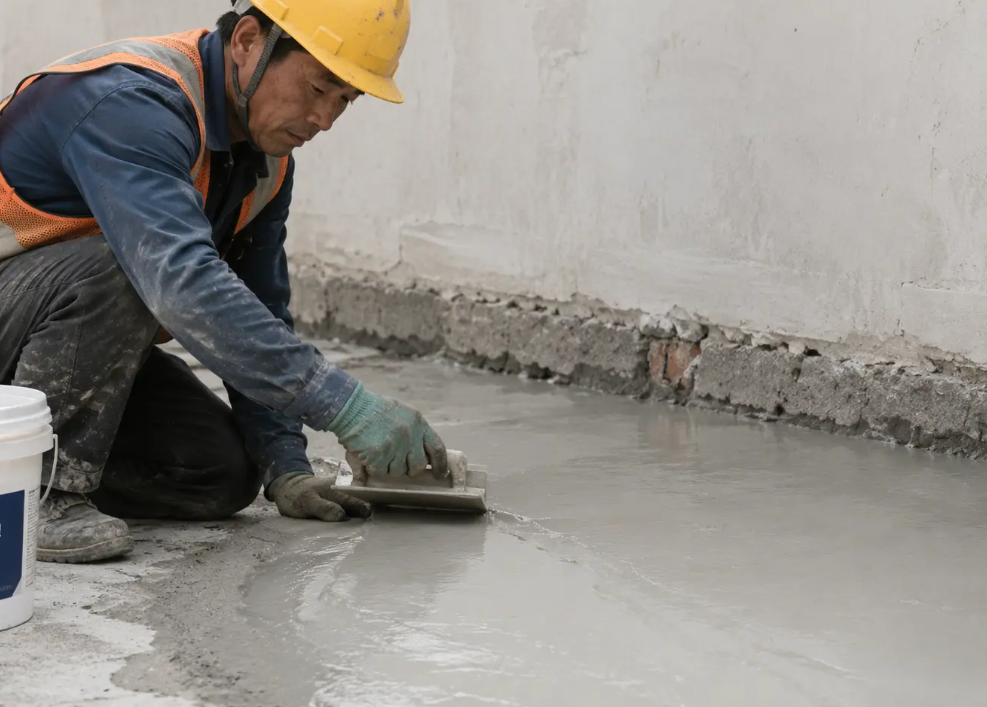
Classification of Refractory CastablesRefractory castables, commonly referred to as "castables," belong to the category of unshaped (monolithic) refractory materials. Among the various types available, calcium aluminate cement is one of the most widely used binders in refractory castable production.Classification by CharacteristicsHigh-strength wear-resistant castablesHigh-temperature resistant castablesLow-cement castablesSteel-fiber reinforced castablesAcid- and heat-resistant castablesClassification by Raw MaterialsClay-based castablesHigh-alumina castablesSiliceous castablesMullite castablesCorundum castablesSilicon carbide castablesMagnesia-based castablesClassification by Application EnvironmentAlumina-silicon carbide castables for iron ladles and runnersAlumina-magnesia spinel castables for steel ladlesOther specialized castables designed for industrial furnaces and kilnsClassification by DensityLightweight castablesDense (heavyweight) castablesClassification by Chemical PropertiesAcid-resistant castablesNeutral castablesAlkali-resistant castablesAlumina-based castablesMagnesia-based castablesCarbon-based castablesThe classifications above mainly refer to cement-bonded refractory castables. In addition to cement bonding, refractory castables can also utilize phosphoric acid, resin, or water glass (sodium silicate) as bonding agents. Among these options, cement-bonded castables remain the most widely used in industrial applications.Xinxiang Tianyi Thermal Insulation Materials specializes in the production of high-temperature refractory castables, refractory bricks, lightweight insulating bricks, high-alumina bricks, and high-alumina wear-resistant castables. The company offers both shaped refractory products, including aluminum silicate bricks, silica bricks, basic refractory bricks, and lightweight insulating bricks, as well as unshaped refractory materials such as castables, self-flowing materials, and plastic refractories for industries including coking, building materials, iron and steel, non-ferrous metallurgy, and electric power generation.
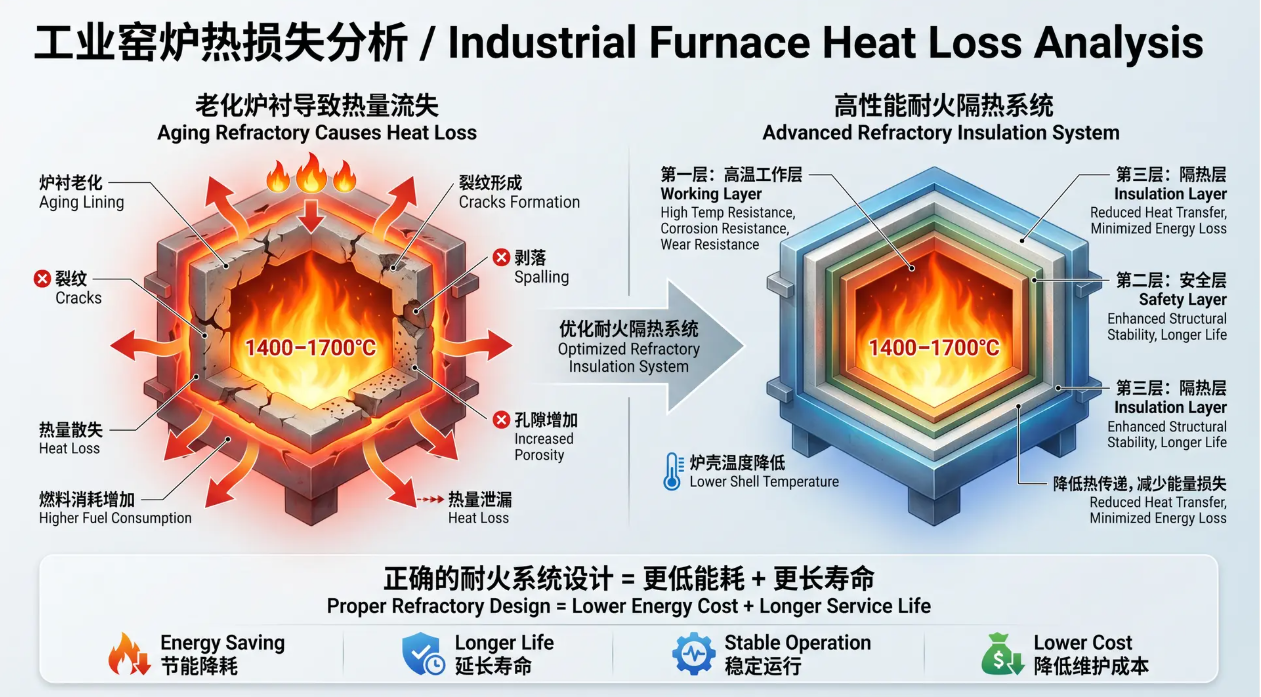
In high-temperature industries such as steel, glass, cement, chemical processing, and metallurgy, energy consumption has always been one of the biggest operating costs.Many industrial plants experience the same problems:Fuel consumption keeps increasingFurnace shell temperature becomes higherProduction output remains unchanged while energy costs riseFurnace maintenance frequency increasesIn many cases, the problem is not the burner system or production process. The real issue may be hidden inside the refractory and insulation system.1. Aging Furnace Linings Cause Significant Heat LossIndustrial furnace linings are exposed to extreme conditions for long periods, including:High temperaturesThermal cyclingChemical corrosionMechanical wearOver time, the internal structure of refractory materials gradually deteriorates.Common changes include:Increased porosityCrack formationReduced insulation performanceLoss of structural strengthAs the lining performance decreases, heat that should remain inside the furnace escapes through the furnace wall.The results are:Higher fuel consumptionIncreased furnace shell temperatureRising production costs2. Low Thermal Conductivity Refractory Materials Improve Energy EfficiencyTraditional refractory selection often focuses on:High temperature resistanceMechanical strengthCorrosion resistanceHowever, modern industrial furnaces require more than temperature resistance.Energy efficiency has become a key factor.Low thermal conductivity refractory and insulation materials help reduce heat transfer and minimize energy loss.Common solutions include:Lightweight insulating bricksInsulating refractory castablesCeramic fiber productsAdvanced thermal insulation coatingsThese materials help:Reduce heat lossImprove furnace efficiencyMaintain stable operating temperaturesLower long-term energy costs3. Furnace Lining Design Is More Important Than a Single Material ChoiceMany companies believe:“Using the highest-grade refractory material will guarantee the longest service life.”However, a successful furnace lining system requires proper material combinations.A complete refractory system usually includes:Working LayerDirectly contacts high-temperature materials and provides:High temperature resistanceCorrosion protectionWear resistanceSafety LayerProvides:Structural supportAdditional protectionImproved durabilityInsulation LayerReduces:Heat transferEnergy lossExternal shell temperatureDifferent furnace areas require different refractory solutions.For example:Glass furnaces require excellent resistance against molten glass corrosion.Steel furnaces require strong resistance to slag erosion and thermal shock.Cement kilns require resistance against alkali attack and mechanical abrasion.4. Abnormal Furnace Shell Temperature Is a Warning SignalMany plants focus only on production output while ignoring changes in furnace conditions.The following signs may indicate declining refractory performance:✔ Higher furnace shell temperature✔ Increasing fuel consumption✔ Damaged insulation layers✔ Local overheating areasRegular inspection methods such as:Infrared thermal imagingFurnace lining thickness measurementHeat loss analysisVisual inspectioncan help identify problems before serious failures occur.5. Energy-Saving Improvements Do Not Always Require Complete Equipment ReplacementSome companies believe energy-saving upgrades require expensive equipment replacement.In reality, improving the refractory insulation system can often achieve significant results through:Proper refractory material selectionOptimized lining structure designTargeted repair solutionsImproved insulation performanceA well-designed refractory system is one of the most effective ways to reduce energy waste in high-temperature industries.
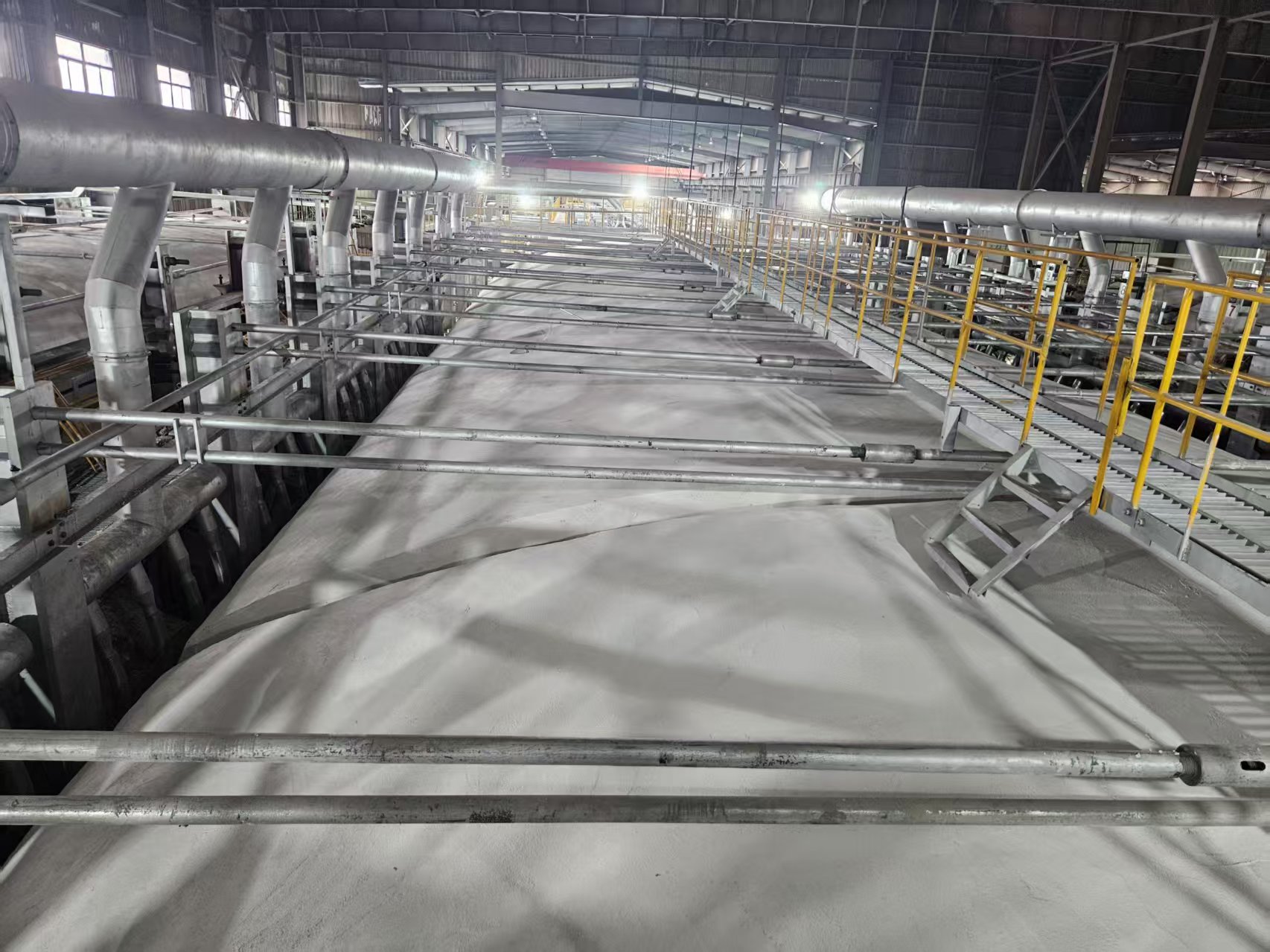
Many industrial operators assume that high temperature is the primary reason refractory linings fail. In reality, premature refractory failure is rarely caused by temperature alone. Instead, it is usually the result of several factors working together over time.1. Thermal Shock Caused by Frequent Startups and ShutdownsDuring heating, holding, and cooling cycles, refractory materials continuously expand and contract. Frequent shutdowns, maintenance periods, or fluctuating production loads generate thermal stress inside the lining, leading to cracks, spalling, and structural damage.For glass furnaces, steel reheating furnaces, and cement kilns, thermal shock often shortens lining life more severely than continuous high-temperature operation itself.2. Chemical Attack Quietly Reduces Service LifeHigh-temperature gases, molten slag, alkali vapors, and corrosive chemicals gradually penetrate and attack refractory structures. This process increases porosity, weakens strength, and eventually leads to severe erosion or penetration failure.For example:Glass furnaces commonly suffer from alkali vapor attack.Cement kilns frequently experience alkali and sulfur cycling.Steel furnaces are exposed to slag erosion and molten metal penetration.Selecting refractory materials according to specific operating conditions is essential for achieving long campaign life.3. Incorrect Material Selection Is More Dangerous Than High TemperatureSome plants choose refractory products based solely on initial purchase price rather than actual working conditions. While this may reduce short-term costs, the long-term expenses associated with repairs, shutdowns, and production losses often far exceed the savings.Different applications require different levels of compressive strength, thermal shock resistance, corrosion resistance, and thermal conductivity. Proper material selection is therefore critical.4. Installation Quality Determines Final PerformanceEven premium refractory materials can fail prematurely if installation quality is poor. Incorrect water addition, insufficient vibration, improper curing, or poorly designed expansion joints can significantly reduce service life.The refractory industry has long recognized an important principle:"Thirty percent of lining life depends on materials, while seventy percent depends on installation quality."Professional construction practices and proper dry-out procedures are essential for ensuring long-term furnace reliability.5. The Hidden Costs of Premature Failure Are Much Higher Than ExpectedEarly refractory failure results in more than maintenance expenses. It can also lead to:Unplanned production shutdownsIncreased energy consumptionProduct quality fluctuationsHigher operational risksReduced overall plant profitabilityCompared with reactive repairs, investing in optimized refractory design and material selection usually delivers a much higher return on investment.ConclusionThe service life of industrial furnace linings is determined by far more than operating temperature. Thermal shock, chemical attack, material selection, and installation quality are often the real factors that define furnace campaign life.By adopting scientifically designed refractory systems, selecting suitable materials, and following professional installation procedures, industrial plants can significantly extend equipment life, reduce energy consumption, and minimize costly downtime.Xinxiang Tianyi Thermal Insulation Materials Co., Ltd. specializes in refractory and insulation solutions for industrial furnaces, serving industries such as glass, steel, cement, petrochemical, and energy production, helping customers achieve energy savings and long-term operational stability.
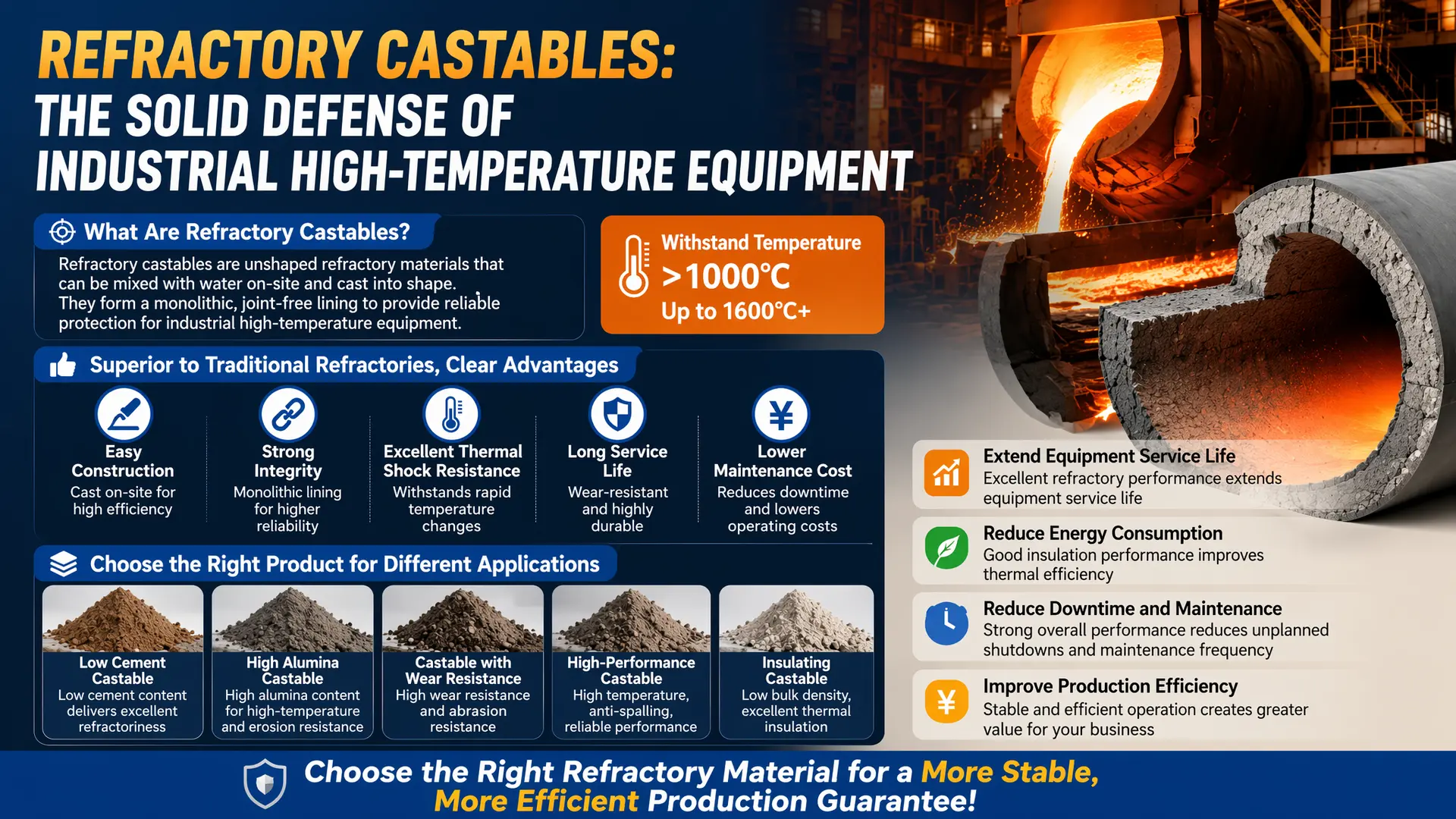
Do Higher Refractory Castable Properties Mean Better Performance? — Choose the Right Castable, "Suitable" Is What MattersIn the refractory materials industry, many users hold a common misconception: that the higher the physical and chemical properties of a castable, the better the performance. Xinxiang Tianyi Thermal Insulation Material Co., Ltd. reminds all users: The right castable is the good castable. High properties do not equal good performance, nor do they guarantee a longer service life.I. The Advantages and Limitations of High-Property CastablesHigh-property refractory castables indeed excel in strength, abrasion resistance, and corrosion resistance. Take corundum castables as an example — they offer high strength, excellent wear resistance, and strong corrosion resistance, but at a relatively high cost. However, these superior property indicators do not make them the best choice for every scenario.A typical example: using corundum castables in a 1100°C temperature zone is not a wise choice. Although corundum castables have high properties and good strength, they are relatively brittle. At this temperature, their inherent characteristics cannot be fully utilized, and the performance results are far from ideal. Corundum castables are better suited for high-temperature environments above 1400°C, where their superior properties can truly translate into longer service life and better performance. Blindly using high-property products in low-temperature zones not only comes with a high price tag and poor results but may even "backfire."II. Temperature — The Primary Consideration for Material SelectionWhen selecting refractory castables, temperature is the primary determining factor. Different temperature ranges require matching castable types:High-temperature environments (above 1400°C): High-grade refractory castables (such as corundum-based) can fully demonstrate their performance advantages, translating high properties into extended service life.Medium-to-low temperature environments (e.g., around 1100°C): Choose castables more suitable for this temperature range, rather than blindly pursuing high-property products.Ultra-high temperature environments (above 1500°C): Prioritize corundum-based or mullite castables, with refractoriness reaching above 1700°C, suitable for extreme high-temperature applications such as aluminum melting furnaces and glass kilns.Medium-temperature conditions (800-1000°C): Bauxite cement castables can be recommended for fluidized bed air distributor plates.Low-to-medium temperature conditions (≤800°C): Cost-effective aggregates such as fired clay and fly ash can be used.III. Atmosphere — A Critical Factor Not to Be OverlookedIn addition to temperature, the furnace atmosphere is another important basis for castable selection:Acidic atmosphere: Choose acidic refractory castables. Acidic castables mainly use two types of binders: sodium silicate and phosphate. For acidic atmospheres with temperatures not exceeding 1250°C, sodium silicate-bonded acidic castables are sufficient; for higher temperatures, phosphate-bonded castables should be selected.Alkaline atmosphere: Choose alkaline refractory castables, such as magnesia-based or magnesia-chrome-based, to avoid adverse reactions with the atmosphere and extend service life.For oxidizing atmospheres, zirconia series castables are recommended; for reducing atmospheres, silicon carbide series castables are more suitable.IV. Erosion and Abrasion — Targeted Material SelectionUnder specific working conditions, the degree of erosion and abrasion is key to determining castable selection:Severe erosion: Choose castables with strong corrosion resistance, such as high-alumina or corundum-based.Severe abrasion: Choose castables with good wear resistance, such as silicon carbide or corundum-based.V. Professional Advice, Tailored SolutionsXinxiang Tianyi Thermal Insulation Material Co., Ltd. (located at No. 8, Hongzhou Park, Industrial Cluster Zone, Huixian City, Xinxiang City, Henan Province, China) is a professional company integrating the manufacturing and sales of thermal and acoustic insulation materials, thermal insulation material sales, refractory material production and sales, and import and export business. With rich industry experience, we understand that recommending products to customers based solely on textbook property data is highly unreasonable.We always adhere to selecting the most suitable castables for our customers based on the actual temperature, atmosphere, and erosion conditions of the furnace lining. Our goal is to help you achieve cost optimization while ensuring performance and service life, avoiding unnecessary waste caused by blindly pursuing high properties.Choose Xinxiang Tianyi Thermal Insulation — choose professionalism, rationality, and efficiency. We welcome all users to contact us for the most professional refractory material solutions.
High alumina bricks are a key category of shaped refractories, and their quality directly affects the stable operation and service life of industrial kilns. However, many customers tend to focus only on the product’s physical properties while overlooking the impact of transport and packaging on final performance. In reality, from factory dispatch to the customer’s site, high alumina bricks endure long-distance transportation and multiple loading/unloading cycles. Improper packaging significantly increases the risk of edge chipping, cracking, or even complete breakage, which in turn delays installation and compromises the integrity of the furnace lining.Professional Packaging – Protecting Every BrickTo minimise transport losses, Xinxiang Tianyi implements a rigorous, standardised packaging process:Multi‑layer cushioning – High‑density foam spacers are placed between each brick, while the outer layer is wrapped with straw or rice straw and securely tied with heavy‑duty nylon ropes, creating a robust buffer system.Customised solutions – Different packaging schemes are adopted according to brick sizes and shapes, ensuring targeted protection for every batch.Export vs. Domestic – Different Standards, Same Quality CommitmentFor export orders, Xinxiang Tianyi follows strict international packaging requirements – we use high‑quality moisture‑proof plastic, thickened foam, composite nylon cords, and reinforced wooden crates to guarantee absolute safety during sea freight and multimodal transport. For domestic orders, while we maintain the same level of product protection, we optimise packaging materials to reduce unnecessary costs, striking a balance between safety and economy – a win‑win for both sides.Packaging: More Than Protection, It Reflects Brand ValueWe believe that packaging is not merely a physical safeguard; it is also a tangible expression of our professionalism and accountability. Well‑designed packaging significantly lowers damage rates, improves customer satisfaction upon receipt, reduces after‑sales disputes, and strengthens our competitive edge in the marketplace. More importantly, proper packaging prevents the accidental use of damaged bricks, which could pose serious safety hazards in kiln operations – this is our fundamental commitment to our customers’ production safety.Xinxiang Tianyi – Your Full‑Service Partner in Refractory SafetyAs a professional manufacturer of high alumina bricks, Xinxiang Tianyi controls quality not only from raw materials and firing processes but also considers transport packaging an integral part of our quality assurance loop. We understand that every brick delivered intact is the best response to our customers’ trust. Choosing Xinxiang Tianyi means choosing complete peace of mind – from production to final delivery.For more details on our packaging methods or to discuss customised shipping solutions, please feel free to contact our sales team.