咨询热线:18906399575
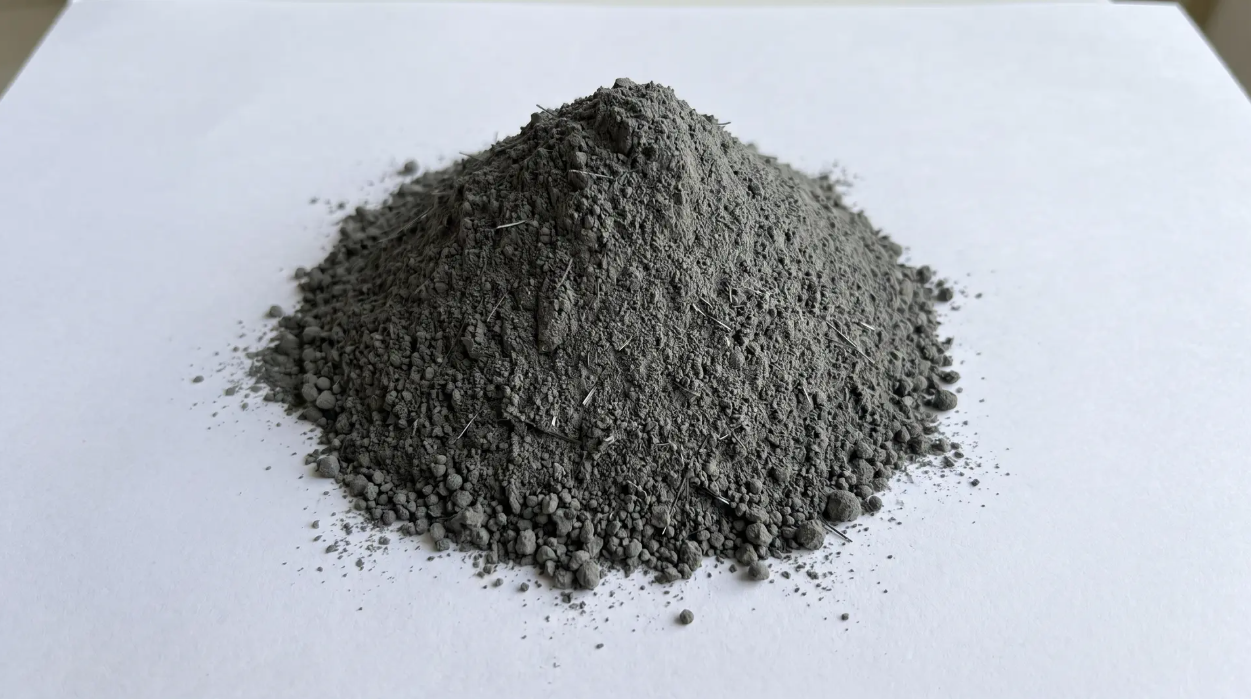
Steel fiber refractory castable is a refractory castable material made primarily from high-alumina clinker, brown fused alumina and other aggregates and powders, combined with binders, heat-resistant stainless steel fibers and appropriate additives.Due to the addition of steel fibers, steel fiber castable has high mechanical strength, as well as excellent high-temperature resistance, impact resistance, thermal shock resistance and wear resistance. It is therefore suitable for areas of industrial furnaces and high-temperature equipment exposed to mechanical impact and significant temperature fluctuations.What Is the Oxidation Resistance of Steel Fiber Castable?The oxidation resistance of steel fiber castable refers to the material’s ability to resist oxidation under high-temperature oxidizing atmospheres.Some steel fiber castables contain a certain amount of carbonaceous materials. These materials offer good thermal conductivity and toughness and are not easily eroded by molten slag. As a result, they can improve the castable’s slag resistance and thermal shock resistance.However, carbonaceous materials also have a significant disadvantage: they are prone to oxidation under high-temperature oxidizing atmospheres.As the carbon materials continue to oxidize, a decarburized layer may form inside the material, causing the structure and properties of the castable to gradually deteriorate. Therefore, carbon oxidation is also one of the important factors affecting the service life of carbon-containing steel fiber castables.How Can the Oxidation Resistance of Steel Fiber Castable Be Improved?Oxidation resistance is an important indicator for evaluating the quality and service performance of carbon-containing steel fiber castables.To reduce the oxidation rate of carbonaceous materials at high temperatures, an appropriate amount of oxidation-control additives, such as aluminum, silicon, magnesium and carbides, is usually added during formulation design.These materials can provide a certain protective effect at high temperatures, reducing direct contact between oxygen and carbonaceous materials and thereby slowing the oxidation reaction.By properly selecting aggregates, powders, binders, steel fibers and oxidation-control additives, it is possible to improve the oxidation resistance of the castable while maintaining its strength and thermal shock resistance.How Is the Oxidation Resistance of Steel Fiber Castable Tested?The oxidation resistance of steel fiber castable can be evaluated through oxidation resistance tests.For carbon-containing steel fiber castables containing oxidation-control additives, testing can be conducted according to relevant test methods for the oxidation resistance of refractory materials. After the test, the oxidation resistance is evaluated by measuring the thickness of the decarburized layer on the specimen.Under the same test conditions:A thinner decarburized layer indicates better oxidation resistance;A thicker decarburized layer indicates more severe oxidation and relatively lower oxidation resistance.Therefore, the thickness of the decarburized layer can serve as an important reference indicator for evaluating the oxidation resistance of carbon-containing refractory castables.Main Properties of Steel Fiber CastableBy adding heat-resistant steel fibers to refractory castable, steel fiber castable can achieve improved overall mechanical performance. Its main characteristics include:1. High StrengthSteel fibers reinforce the overall structure of the castable and improve its ability to withstand mechanical stress and impact at high temperatures.2. Good Thermal Shock ResistanceSteel fibers improve the toughness of the material and reduce the risk of cracking caused by rapid temperature changes.3. Good Wear ResistanceSteel fiber castable is suitable for high-temperature equipment areas subject to material abrasion and severe mechanical wear.4. Good Impact ResistanceSteel fibers enhance the impact resistance of the castable, making it suitable for industrial furnace areas exposed to mechanical vibration and impact.5. Good High-Temperature ResistanceWith refractory raw materials such as high-alumina clinker and brown fused alumina as its main components, steel fiber castable can meet the operating requirements of various high-temperature industrial equipment.Applications of Steel Fiber CastableSteel fiber castable is mainly used in industrial equipment requiring high strength, wear resistance, thermal shock resistance and impact resistance, including:High-temperature equipment in the steel industryCement kilns and related equipmentCoke oven equipmentNonferrous metal smelting equipmentBoilers and high-temperature sections in the power industryVarious industrial furnacesHigh-temperature material conveying and abrasion areasThe operating temperature, material abrasion, mechanical load and furnace atmosphere vary among different types of equipment. Therefore, steel fiber castable should be selected according to the specific operating conditions, with suitable raw materials and formulations.ConclusionSteel fiber castable combines high strength, high-temperature resistance, thermal shock resistance, impact resistance and wear resistance, making it a commonly used monolithic refractory material in industrial furnaces.For carbon-containing steel fiber castables, oxidation resistance has an important influence on long-term stability and service life. The oxidation resistance and overall performance of the material can be effectively improved through the proper use of oxidation-control additives, formulation optimization, and careful control of installation and drying procedures.TIANYI REFRACTORY MATERIALS CO., LTD. provides customized solutions for refractory castables, steel fiber castables, high-alumina castables, low-cement castables, wear-resistant castables and insulating refractory materials. Based on the operating temperature, wear conditions, mechanical impact and service environment of different industrial furnaces, we serve customers in the steel, cement, glass, metallurgy and power industries.
Small-diameter pipes are widely used in burners, boilers, and waste incineration equipment. Due to their limited internal space, workers and construction tools may have difficulty entering the pipe. This makes conventional refractory castable installation more challenging.So, how should refractory materials be installed when the internal diameter of a burner or boiler pipe is small?The appropriate material and installation method should be determined according to the pipe diameter, operating temperature, gas velocity, wear, and corrosion conditions.Common solutions include refractory coating, wear-resistant coating, and self-flowing refractory castable.1. Why is installation difficult in small-diameter pipes?As the pipe diameter decreases, the available working space becomes increasingly limited.Traditional refractory castable installation normally requires mixing, placing, molding, and vibration. In a small-diameter pipe, insufficient working space can make vibration difficult and may result in uneven lining thickness, insufficient compaction, or local defects.This is particularly important for burner pipes, boiler ducts, waste incineration ducts, elbows, and tees.2. Refractory coating for small-diameter pipesFor pipes with limited internal working space, refractory coating is often a convenient solution.Unlike conventional castable, refractory coating does not normally require intensive vibration. The material can be applied directly to the internal wall using suitable hand tools.For pipes exposed to severe abrasion or erosion, a wear-resistant refractory coating can be selected to improve the service life of the lining.Anchoring components can also be installed on the pipe wall to improve the bonding and mechanical stability of the refractory lining.3. Self-flowing castable for small-diameter pipesWhen refractory castable is required by the design, self-flowing castable can be considered for certain small-diameter straight pipes.A properly sized internal mold can be prepared and positioned inside the pipe. The self-flowing castable is then placed into the space between the pipe wall and the mold.Because of its good flowability, self-flowing castable can reduce or eliminate the need for conventional mechanical vibration when properly mixed and installed.After the material reaches the required demolding strength, the internal mold can be removed.4. Installation of elbows and teesFor elbows, tees, and other complicated pipe sections, refractory coating can provide greater flexibility during installation.Anchors or a suitable supporting mesh structure can be installed on the internal wall before applying the refractory material.The refractory coating is then applied layer by layer and properly compacted and leveled to avoid voids or weak areas.For areas exposed to severe abrasion, a material with higher wear resistance should be selected according to the actual operating conditions.5. How to select refractory materials?The material should be selected according to the actual working conditions.ApplicationRecommended MaterialMain AdvantageOrdinary small-diameter pipeRefractory coatingEasy and flexible installationSevere abrasion or erosionWear-resistant coatingBetter wear resistanceSmall straight pipe requiring castableSelf-flowing castableGood flowability, reduced vibrationElbows and teesRefractory coating + anchorsSuitable for complex sectionsHigh-temperature pipeHigh-alumina refractory materialSelected according to operating temperatureThermal insulation requiredLightweight refractory/insulation materialReduces heat loss6. ConclusionFor small-diameter pipes used in burners, boilers, and waste incineration systems, conventional refractory castable can be difficult to install because of limited working space.In general:Small-diameter pipe → refractory coating;Severe abrasion → wear-resistant coating;Straight pipe requiring cast-in-place lining → self-flowing castable;Elbows and tees → refractory coating with suitable anchoring/support structure.The final material and installation method should be determined based on the operating temperature, gas velocity, medium, abrasion level, pipe diameter, and required lining thickness.For a specific project, providing the pipe internal diameter, operating temperature, medium, gas velocity, and required lining thickness can help determine a more suitable refractory material and installation method.

Chrome corundum is a high-performance raw material commonly used in refractory materials. It is mainly composed of alumina (Al₂O₃) and chromium oxide (Cr₂O₃).Adding chrome corundum to refractory castables can improve their high-temperature performance, wear resistance and corrosion resistance, making them suitable for high-temperature environments involving severe abrasion, erosion and chemical attack.Chrome corundum refractory castables are generally green. However, the actual color may vary depending on the chromium oxide content and sintering process, ranging from light red and purplish red to dark green.1. Why Does Chrome Corundum Have Different Colors?Effect of Chromium Oxide ContentChrome corundum mainly consists of alumina and chromium oxide. Changes in the Cr₂O₃ content can affect the color of the material.During high-temperature sintering, chromium oxide can form a solid solution with alumina, which affects the microstructure and appearance of the refractory material.Therefore, chrome corundum produced with different chromium oxide contents and manufacturing processes may have different colors.2. What Are the Benefits of Adding Chrome Corundum?1. Improved Wear ResistanceChrome corundum has high hardness and excellent high-temperature stability. When incorporated into refractory castables, it improves resistance to mechanical wear and material abrasion.This makes chrome corundum castables suitable for furnace bottoms, furnace walls, chutes and other areas exposed to severe abrasion.2. Improved Corrosion ResistanceUnder the action of high-temperature molten materials, slag and corrosive media, conventional refractory materials may suffer from erosion and structural damage.Chrome corundum has good chemical stability and can improve the resistance of refractory castables to molten materials and corrosive environments, helping extend lining service life.3. Better High-Temperature PerformanceBoth Al₂O₃ and Cr₂O₃ have high refractoriness. Properly formulated chrome corundum can improve the high-temperature stability of refractory castables and make them suitable for demanding thermal equipment.4. Extended Service LifeImproved wear resistance, corrosion resistance and high-temperature stability can reduce refractory lining damage and maintenance frequency, helping extend the continuous operating period of industrial equipment.5. Lower Overall Operating CostsAlthough chrome corundum castables may have a higher initial material cost than conventional castables, longer service life, fewer repairs and reduced downtime can lower overall maintenance costs in long-term operation.3. Applications of Chrome Corundum Refractory CastablesSteel IndustryChrome corundum castables can be used in blast furnaces, converters, electric furnaces and other high-temperature metallurgical equipment, particularly in furnace bottoms, furnace walls and wear-resistant lining areas.Non-Ferrous Metal IndustryThey can be used in aluminum, copper and other non-ferrous metal processing equipment to protect refractory linings exposed to high-temperature molten materials.Petrochemical IndustryChrome corundum castables can be applied to high-temperature equipment such as sulfur recovery units and coal-water slurry gasifiers, where resistance to heat, abrasion and corrosion is required.Glass IndustryThey can be used in glass furnace bottoms, sidewalls, protective layers, cold repairs and hot repairs, helping improve local resistance to erosion and wear and maintain stable furnace operation.Ceramic IndustryThey can be used in high-temperature ceramic kilns and related thermal equipment to improve refractory lining performance and service life.4. ConclusionProperly adding chrome corundum to refractory castables can provide several important performance improvements:Higher wear resistanceBetter corrosion resistanceImproved high-temperature stabilityLonger refractory lining service lifeReduced maintenance and downtimeLower long-term operating costsHowever, a higher chrome corundum content does not necessarily mean better performance. The formulation should be optimized according to the operating temperature, molten material, abrasion level, corrosion conditions and installation method to achieve the best overall performance.
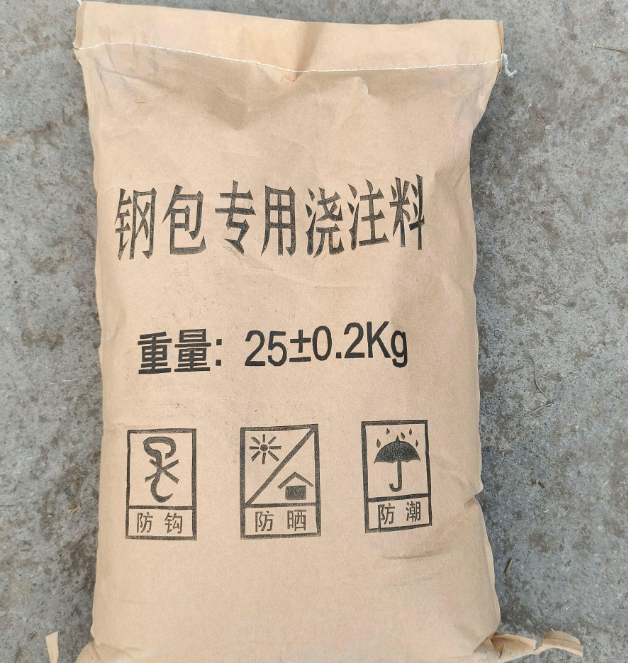
Why Do Iron Ladle Castable Prices Vary So Much?Iron ladle castables are mainly made from Al₂O₃-SiC based refractory raw materials, using optimized particle-size distribution and low-cement or ultra-low-cement bonding technology.Depending on the raw materials and performance requirements, iron ladle castables can generally be classified into high-alumina, mullite and corundum castables.Because different products have significant differences in raw materials, technical specifications, service life and application conditions, their prices can vary considerably.1. Price Range of Iron Ladle CastablesThe market price of iron ladle castables is generally around RMB 1,600–5,500 per ton, depending on the material grade, technical specifications, order quantity and transportation distance.Product TypeTypical Price RangeMain FeaturesStandard High-Alumina CastableRMB 1,600–2,500/tCost-effective for general applicationsHigh-Strength Low-Cement CastableRMB 2,500–3,800/tHigh strength and good wear resistanceMullite CastableRMB 3,000–4,500/tGood thermal shock resistanceCorundum CastableRMB 4,000–5,500+/tExcellent high-temperature, wear and corrosion resistanceThe above prices are for reference only. Actual prices depend on the specific formulation and technical requirements.2. Main Factors Affecting the Price1. Raw Material CostRaw materials are one of the most important factors affecting the price of iron ladle castables.Common raw materials include:High-alumina bauxiteCorundumMulliteSilicon carbideReactive aluminaCalcium aluminate cementFunctional additivesHigh-purity corundum, silicon carbide and high-quality alumina micropowders are relatively expensive, which can significantly increase the production cost of the final castable.2. Technical SpecificationsCastables with the same product name may have completely different technical specifications.Important parameters include:Al₂O₃ contentSiC contentBulk densityCold crushing strengthHigh-temperature strengthAbrasion resistanceSlag resistanceThermal shock resistanceService temperatureFor ladles operating under severe thermal, mechanical and chemical conditions, higher-grade refractory materials may be required.Therefore, price per ton should not be the only factor when comparing products. Technical specifications and actual service life are equally important.3. Installation MethodIron ladle castables may be installed by:Conventional castingVibration castingPump castingLocal repairDifferent installation methods require different material properties, including flowability, setting time, workability and drying requirements.4. Supplier and Order QuantityDifferent manufacturers have different raw-material purchasing channels, production processes, manufacturing scales and quality-control systems.Order quantity can also affect the final price. Large-volume purchases may receive more competitive pricing, but choosing a supplier based solely on the lowest quotation is not recommended.5. Transportation CostIron ladle castables are heavy refractory products, so transportation can have a significant impact on the final delivered cost.For long-distance domestic transportation or export orders, the total cost should be considered as:Ex-works Price + Packaging + Loading + TransportationThe same product may therefore have different delivered prices depending on the distance between the manufacturer and the customer's site.3. How to Choose the Right Iron Ladle Castable?When purchasing iron ladle castables, customers should consider:① Molten Iron TemperatureThe actual working temperature should be confirmed before selecting the refractory grade.② Required Service LifeFor longer service life, pay particular attention to wear resistance, slag resistance and high-temperature strength.③ Slag ConditionsIf severe slag corrosion occurs, a castable with stronger resistance to slag penetration and chemical attack may be required.④ Installation MethodThe product should be selected according to whether it will be cast, vibrated or pumped.⑤ Total Cost of OwnershipThe actual cost should include:Material Cost + Installation Cost + Drying/Baking Cost + Service Life + Maintenance CostA higher-priced castable may actually provide a lower overall cost if it offers significantly longer service life and fewer repairs.4. Why Can Different Suppliers Offer Very Different Prices?Iron ladle castables are not simply a mixture of refractory aggregates and cement.Their performance depends on raw material quality, particle-size distribution, bonding system and manufacturing technology.For example, two products both described as “high-alumina iron ladle castable” may use different grades of bauxite, corundum, SiC and fine powders, as well as different low-cement bonding systems.Therefore:Same Product Name ≠ Same Product QualityBefore purchasing, it is recommended to confirm:Detailed technical specificationsAl₂O₃ and SiC contentBulk densityCold crushing strengthAbrasion resistanceRecommended installation thicknessDrying and baking requirementsRecommended operating conditionsExpected service lifeThis makes it easier to understand why quotations from different suppliers can vary significantly.5. Tianyi Iron Ladle CastablesTianyi can recommend suitable refractory castable solutions according to the customer's ladle capacity, working temperature, required service life, installation method and actual operating conditions.Our focus is not only on the price per ton, but also on high-temperature resistance, erosion resistance, wear resistance and long-term service stability.If you are currently sourcing iron ladle castables, please provide:Ladle dimensions + Capacity + Working temperature + Current refractory material + Current service lifeWe can recommend a suitable material grade, estimate the required quantity and provide a customized quotation.
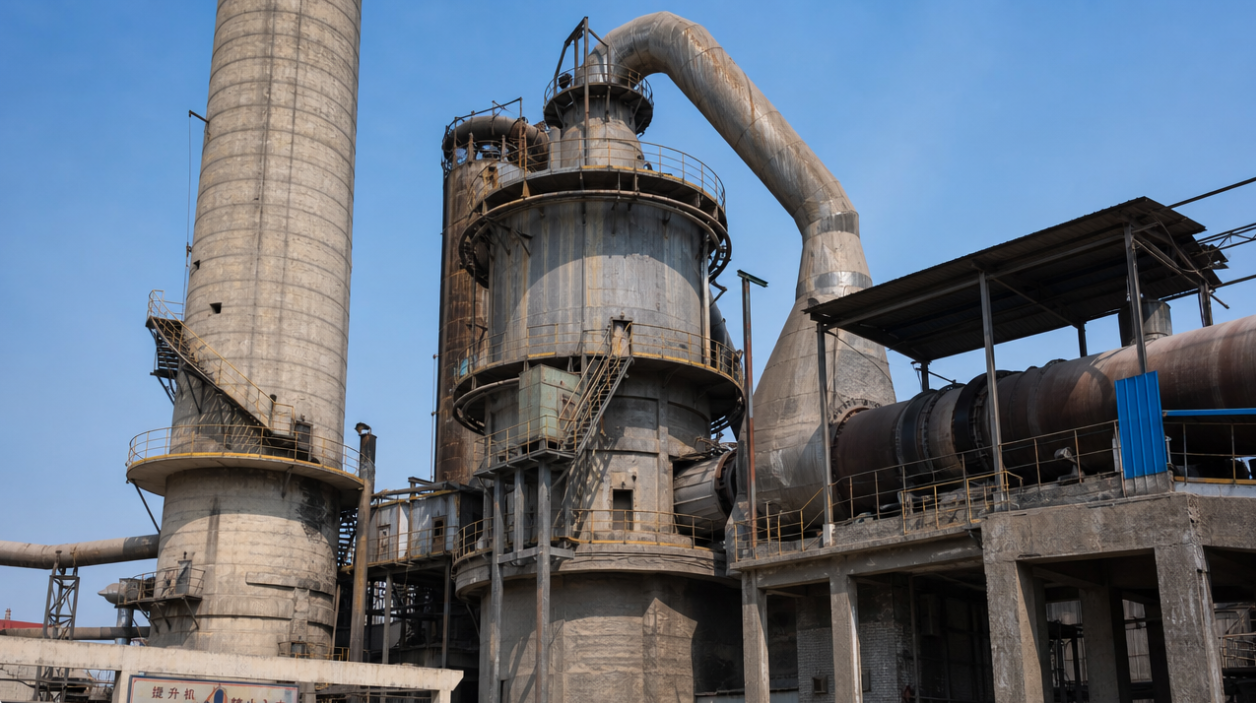
A lime kiln is an industrial furnace used to produce quicklime by calcining limestone at high temperatures. It is widely used in metallurgy, building materials, chemical processing, environmental protection, and other industries. Depending on the kiln structure, production method, and combustion process, lime kilns can be divided into several types. Different kiln designs vary in production capacity, thermal efficiency, automation level, and lime quality.1. Main Types of Lime Kilns and Their Characteristics1. Shaft KilnA shaft kiln generally has a vertical cylindrical structure. Limestone is charged from the top and gradually moves downward, where it undergoes preheating, calcination, and cooling through heat exchange with hot gases.Advantages: Relatively simple structure, small footprint, comparatively low investment and maintenance costs, and good sealing performance.Disadvantages: Limited production capacity for a single kiln and relatively high requirements for limestone size and process control.Applications: Suitable for small- and medium-scale lime production projects, with typical capacities of approximately 50–500 tons per day.2. Rotary KilnA rotary kiln mainly consists of a horizontal or slightly inclined steel cylinder. Continuous rotation causes the limestone to move and mix inside the kiln, allowing it to fully contact the hot gases during calcination.Advantages: High production capacity, continuous operation, good adaptability to different raw material sizes, and a high level of automation.Disadvantages: More complex equipment, larger footprint, higher investment costs, and generally higher heat consumption than some advanced vertical kiln systems.Applications: Widely used in large-scale lime production lines as well as steel, chemical, and other industries, with typical capacities of approximately 300–1,500 tons per day.3. Annular Shaft KilnAn annular shaft kiln uses a special internal sleeve structure to organize gas flow efficiently, allowing limestone to pass through the preheating, calcination, and cooling zones.Advantages: High thermal efficiency, relatively low fuel consumption, stable calcination, and effective heat recovery.Disadvantages: More complex equipment and process control, higher initial investment, and greater requirements for operation and maintenance.Applications: Suitable for large lime production plants and projects requiring high product quality and low energy consumption.4. Double-Chamber KilnA double-chamber kiln consists of two interconnected kiln chambers. The two chambers alternately perform calcination and heat-storage functions, allowing efficient utilization of the heat contained in the hot gases.Advantages: High thermal efficiency, good fuel utilization, stable calcination, continuous operation, and suitability for producing highly reactive lime.Disadvantages: Relatively complex equipment and auxiliary systems, resulting in higher construction costs.Applications: Mainly used in medium- and large-scale lime production lines, especially where high lime reactivity and consistent product quality are required.5. Other Special Kiln TypesMaerz Lime Kiln: Uses a parallel-flow regenerative double-chamber design. Through efficient combustion and heat circulation, it improves energy utilization and can produce lime with high and stable reactivity.2. Classification by Production Method1. Batch-Operation KilnsBatch kilns operate according to individual production cycles, including charging, calcination, and discharge.Characteristics: Relatively simple equipment and flexible operation.Disadvantages: Limited continuous production capacity and generally higher fuel consumption per unit of product.Typical Types: Traditional shaft kilns and some intermittent reverberatory-type kilns.2. Continuous-Operation KilnsContinuous lime kilns can continuously perform charging, preheating, calcination, cooling, and discharge.Characteristics: High production efficiency, relatively stable product quality, suitability for large-scale continuous production, and easy automation.Disadvantages: More complex equipment and control systems, with relatively high construction and maintenance costs.Typical Types: Rotary kilns, mechanized shaft kilns, double-chamber kilns, and annular shaft kilns.3. Comparison of Different Lime Kiln TypesComparisonShaft KilnRotary KilnDouble-Chamber KilnAnnular Shaft KilnCapacity50–500 t/day300–1,500 t/day120–800 t/dayMedium to large scaleThermal EfficiencyMediumRelatively highHighHighInvestment CostLowHighRelatively highRelatively highFootprintSmallLargeMediumMediumAutomationMediumHighHighHighSuitable FuelsVariousVariousVariousVariousLime QualityFair to goodGoodExcellentExcellent4. Lime Kiln Selection RecommendationsWhen selecting a lime kiln, companies should consider production capacity, limestone characteristics, fuel availability, required lime quality, energy consumption, environmental requirements, and other operating conditions.Small-scale projects: Shaft kilns or mechanized shaft kilns can be considered because of their relatively low investment and small footprint.Medium-scale projects: Annular shaft kilns or medium-sized double-chamber kilns can be selected according to product quality and energy-saving requirements, balancing production capacity, energy consumption, and investment.Large-scale projects: Large rotary kilns, double-chamber kilns, or annular shaft kilns are generally suitable for continuous and large-scale production.Projects with high energy-efficiency and environmental requirements: Priority should be given to kiln systems with high fuel utilization, effective waste-heat recovery, and efficient flue-gas treatment systems.Fine-grained limestone: Rotary kilns generally have good adaptability to relatively small limestone sizes, although the final selection should be based on the specific raw material and production process.Overall, different lime kiln types have their own advantages and limitations. Companies should select the most suitable kiln according to production scale, raw material characteristics, fuel type, product quality requirements, and environmental standards. In addition, refractory bricks, refractory castables, and thermal insulation materials used in the kiln lining can have a significant impact on equipment service life, energy consumption, and production stability.
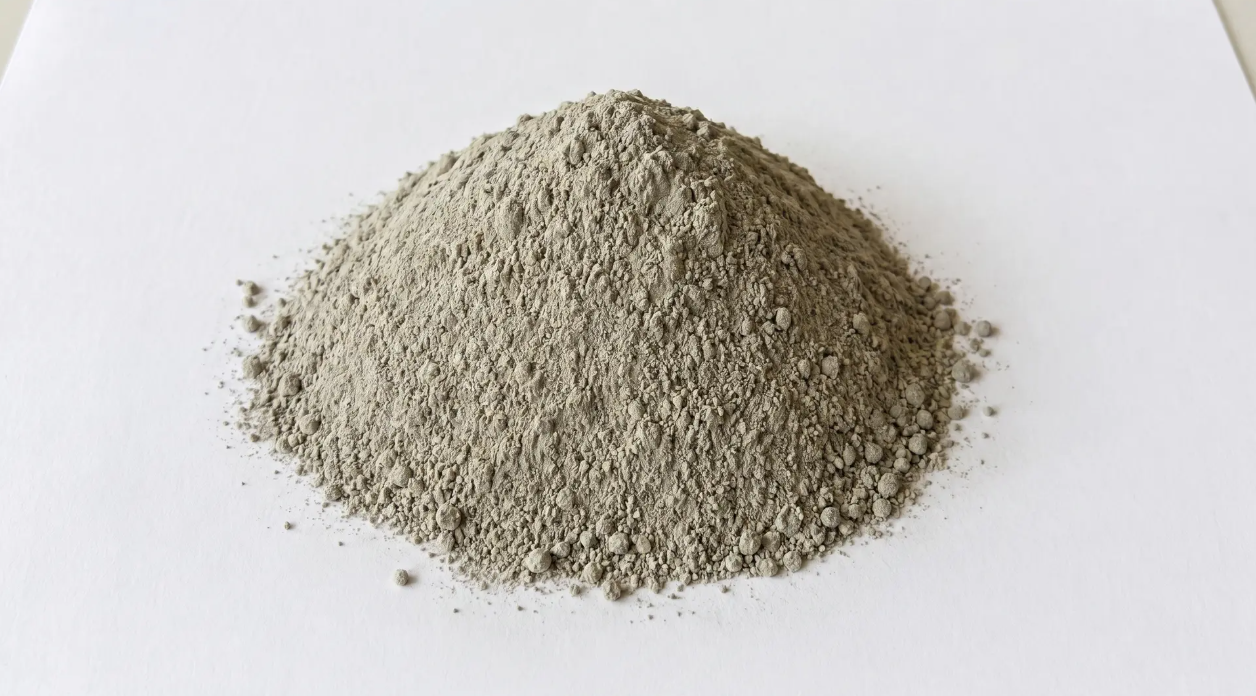
Castables are a type of unshaped refractory material primarily composed of a mixture of refractory aggregates (such as high-alumina bauxite and corundum), fine powders (graded micro-powders), binders (such as calcium aluminate cement or phosphates), and additives (such as plasticizers and dispersants). They are characterized by their ability to form a flowable slurry upon the addition of water or other liquids during installation, allowing them to harden and set without the need for firing. They are used for linings in boilers, cement plants, blast furnaces, and power boilers.Main Points1. Mechanical Mixing Recommended Conventional castables, especially low-cement and high-performance castables, should be mixed with a forced mixer, generally for at least 3 minutes, to prevent segregation and performance loss.2. Manual Mixing in Special Cases Manual mixing may be used when mixing equipment is unavailable or the installation volume is small. Water addition should follow the product instructions, and accelerators or mix proportions should not be changed arbitrarily.3. Precautions for Manual Mixing Use clean tools and containers during manual mixing, strictly control the water dosage, thoroughly mix the dry materials before adding water, and complete installation promptly. For special low-cement or fast-setting products, always follow the manufacturer's installation instructions.
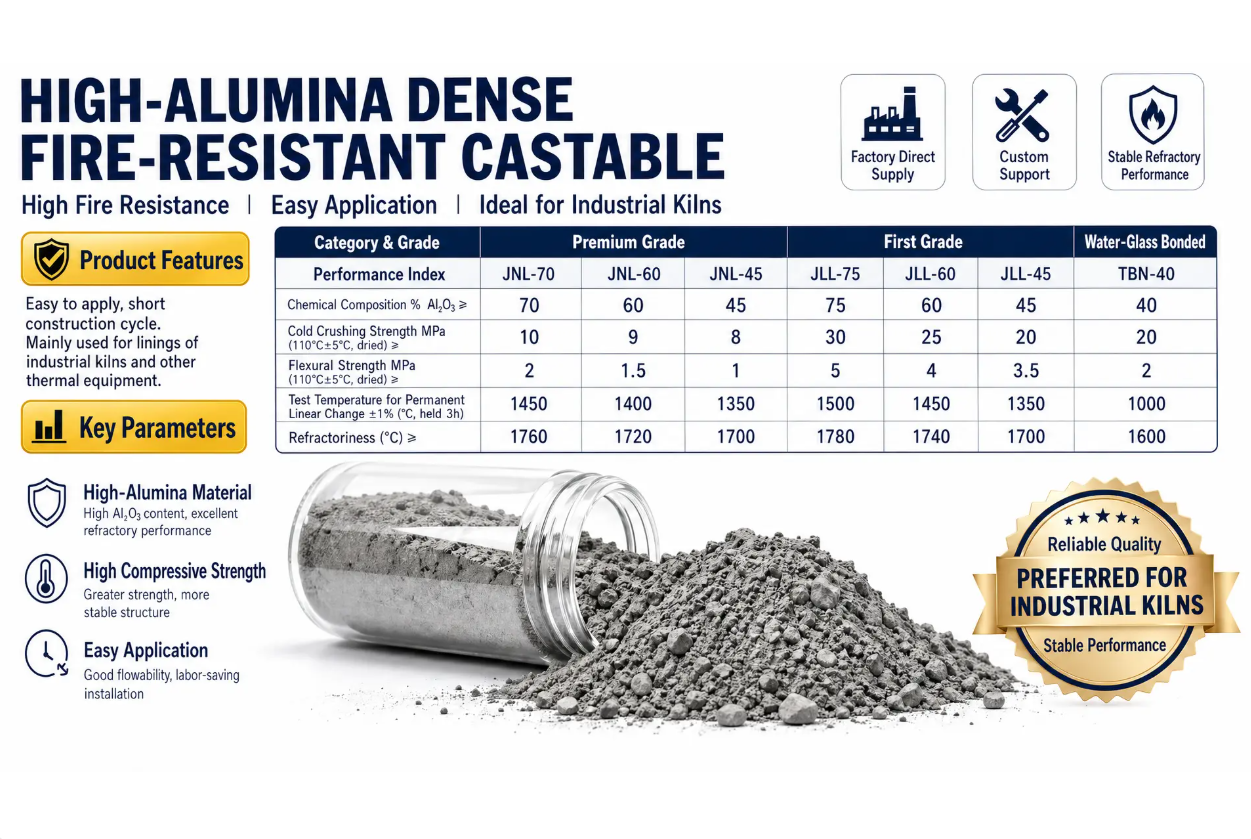
High-alumina castable is an unshaped refractory material made primarily from calcined high-alumina bauxite as the main aggregate, combined with refractory fines, binders, and functional additives. Depending on the product grade, its Al₂O₃ content typically ranges from 55% to 80% or even higher. It offers excellent resistance to high temperatures, abrasion, thermal shock, and chemical attack.High-alumina castables can use ordinary cement, low-cement, or ultra-low-cement binding systems according to different industrial equipment and operating conditions. Optimized particle-size distribution and micro-powder technology are used to improve density, high-temperature strength, and resistance to chemical attack.The product is easy to install. After adding water and mixing, it can be applied by casting, vibration, or pumping, forming an integrated and seamless lining. It is particularly suitable for industrial furnaces and thermal equipment with complex structures, severe wear, and high requirements for lining integrity.High-alumina castables are widely used in cement rotary kilns, preheaters, boilers, blast furnaces, steel ladles, reheating furnaces, hot-blast stoves, petrochemical equipment, and other high-temperature industrial furnaces.1. Main Components of High-Alumina CastableHigh-alumina castables generally consist of refractory aggregates, fine powders, binders, and additives. These components work together to determine the material's installation characteristics and high-temperature performance.1. High-Alumina Bauxite AggregateCalcined high-alumina bauxite is one of the main raw materials used in high-alumina castables. After calcination, it has a high Al₂O₃ content and good volume stability, making it an effective structural framework for the castable.The aggregate can be divided into coarse, medium, and fine particles according to the formulation. Proper particle-size distribution helps reduce internal pores and improve overall density.2. Refractory Fine PowderFine powders are mainly used to fill the gaps between aggregates and improve the microstructure of the material. Common raw materials include high-alumina bauxite fines, refractory clay, and alumina micro-powder.The proper addition of high-quality micro-powders can improve flowability, density, and high-temperature sintering performance.3. BinderBinders provide the initial strength of the castable after installation.Common binding systems include calcium aluminate cement, low-cement systems, and ultra-fine powder bonding systems. For areas requiring higher high-temperature performance, low-cement or ultra-low-cement technologies can be used to reduce low-melting-point components.4. AdditivesDepending on installation requirements, functional additives such as dispersants, accelerators, and retarders can be added to improve flowability, setting time, workability, and overall performance.2. Main Properties of High-Alumina Castable1. Excellent High-Temperature ResistanceHigh-alumina castables are mainly made from high-alumina bauxite and alumina-based materials. They can maintain good structural stability and mechanical strength under high-temperature conditions, making them suitable for furnace linings and thermal equipment.2. Excellent Abrasion ResistanceIn the cement, metallurgy, and power industries, refractory linings are often exposed to material impact, particle erosion, and mechanical wear.High-alumina castables offer good abrasion resistance and are suitable for areas with high material flow and severe wear.3. Good Thermal Shock ResistanceIndustrial furnaces experience temperature fluctuations during start-up, shutdown, and changes in operating conditions. High-alumina castables provide good thermal shock resistance, helping reduce the risk of cracking and spalling caused by temperature changes.4. Good Resistance to Chemical AttackIn cement kilns, metallurgical furnaces, and chemical equipment, refractory linings may be exposed to slags, alkaline substances, and high-temperature gases.By selecting suitable raw materials and formulations, high-alumina castables can provide improved resistance to chemical and slag attack.5. High Mechanical StrengthHigh-alumina castables provide high compressive strength and abrasion resistance, enabling them to withstand mechanical impact, material erosion, and vibration during operation.6. Excellent Structural IntegrityCompared with traditional refractory brick linings, castables can form a continuous and integrated lining, reducing joints and weak points. They are particularly suitable for complex structures and irregularly shaped equipment.3. Common Types of High-Alumina CastablesAccording to different binding systems and operating conditions, high-alumina castables can be divided into several types.Ordinary High-Alumina CastableMade primarily from high-alumina bauxite aggregate, it offers balanced overall performance and is suitable for general high-temperature equipment.Low-Cement High-Alumina CastableBy reducing the cement content and optimizing particle-size distribution, this type provides higher density and improved high-temperature performance. It is suitable for industrial equipment requiring longer service life.Ultra-Low-Cement High-Alumina CastableThis type further reduces cement content and uses ultra-fine powder bonding technology to enhance performance. It is suitable for high-temperature, high-wear, and highly corrosive environments.Wear-Resistant High-Alumina CastableThe aggregate composition and formulation are optimized to improve abrasion resistance. It is mainly used in areas exposed to severe material erosion and abrasion.Corrosion-Resistant High-Alumina CastableThe formulation is adjusted for operating conditions involving alkaline attack, slag attack, and chemical corrosion. It is widely used in the cement, metallurgical, and chemical industries.
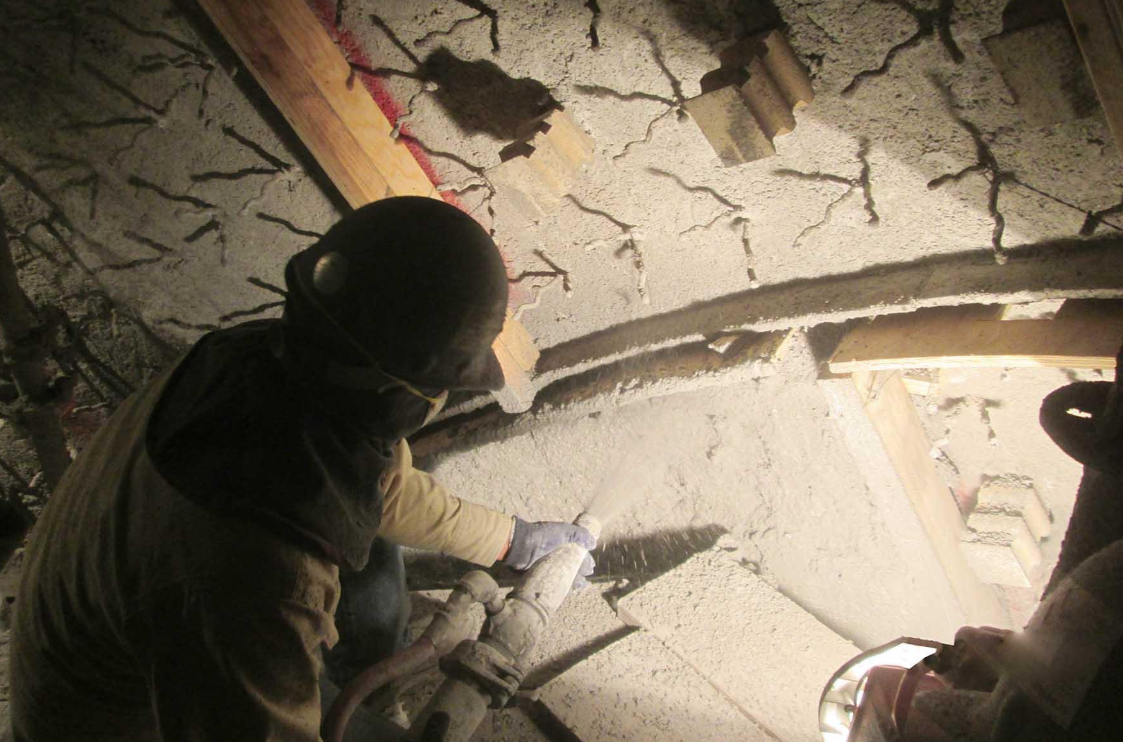
Refractory bricks are widely used in the linings of high-temperature furnaces, kilns and industrial heating equipment. After long-term exposure to high temperatures, thermal shock and mechanical wear, refractory bricks may crack, spall or become severely damaged. The damaged lining must then be removed before repair or relining.1. Manual RemovalManual removal is a traditional method for removing damaged refractory bricks. After the furnace has been sufficiently cooled, workers use pneumatic picks, crowbars, hammers and other tools to break and remove the damaged bricks.This method requires relatively little equipment and is suitable for small repair areas. However, it is labor-intensive and relatively slow, with significant noise and dust during demolition.2. Mechanical RemovalMechanical demolition commonly uses hydraulic breakers or similar equipment to remove refractory linings.Compared with manual removal, mechanical equipment can significantly reduce labor intensity and improve working efficiency. However, the impact force and demolition depth must be carefully controlled. Improper operation may damage the furnace shell, furnace structure or the refractory layer that needs to be retained.3. Controlled BlastingControlled blasting may be considered for large-scale refractory lining or furnace demolition projects.The blasting plan must be professionally designed according to the furnace structure, refractory thickness and demolition area. Strict safety measures are also required.Controlled blasting can provide a short demolition period and is suitable for large-scale projects, but it involves higher technical and safety requirements and must be performed by qualified professionals.4. Comparison of Removal MethodsMethodAdvantagesDisadvantagesSuitable ApplicationsManual RemovalLow equipment cost, flexible operationSlow and labor-intensiveSmall repair areasMechanical RemovalHigher efficiency, lower labor intensityHigher equipment cost, risk of structural damageMedium and large furnace repairsControlled BlastingVery fast for large-scale demolitionHigh technical and safety requirementsLarge-scale demolitionConclusionThe appropriate refractory brick removal method should be selected according to the furnace type, lining condition, demolition area, construction schedule, equipment availability and safety requirements.Manual removal is generally suitable for small repair areas, while mechanical demolition can be considered for medium and large furnace maintenance. For large-scale demolition projects, professional engineers may evaluate whether controlled blasting is appropriate.After removing the damaged refractory bricks, the remaining lining and furnace structure should be inspected and cleaned before installing new refractory bricks or refractory castables.
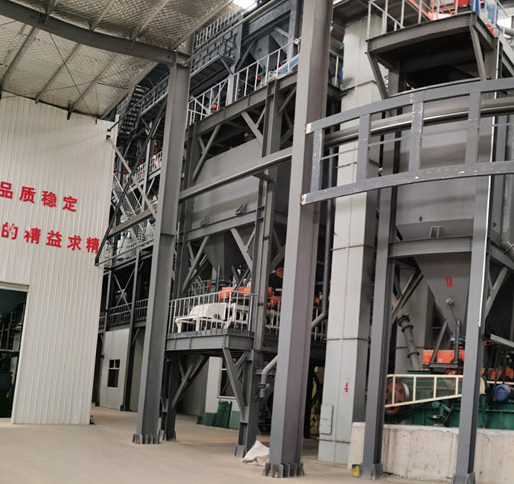
Hazardous waste incineration produces complex slags that may contain Na₂O, K₂O, CaO and other alkali or alkaline-earth oxides. These components can cause severe chemical corrosion to refractory linings. Therefore, suitable refractory materials are essential for hazardous waste rotary kilns.Common refractory materials include SiC castables, Al₂O₃-SiO₂ castables and Al₂O₃-Cr₂O₃ chrome corundum castables.SiC castables provide good slag resistance and wear resistance, but they may oxidize under high-temperature oxidizing conditions. Al₂O₃-SiO₂ castables generally have good thermal shock resistance, but Al₂O₃ and SiO₂ can react with Na₂O, K₂O and CaO in the slag, accelerating refractory corrosion.Chrome corundum castables are mainly composed of Al₂O₃ and Cr₂O₃. They offer excellent high-temperature stability, wear resistance and chemical corrosion resistance, making them suitable for severe operating conditions such as combustion zones of hazardous waste rotary kilns.Main AdvantagesExcellent slag corrosion resistanceHigh-temperature resistanceGood wear and erosion resistanceGood volume stabilitySuitable for severe hazardous waste incineration conditionsApplication ConsiderationsThe potential formation of Cr(VI) should also be considered when using chrome corundum castables in hazardous waste rotary kilns. CaO and alkali or alkaline-earth oxides in the slag may promote the oxidation of Cr(III) to Cr(VI). Therefore, the refractory formulation should be designed according to slag composition, operating temperature, furnace atmosphere and construction conditions, with proper installation and drying procedures.
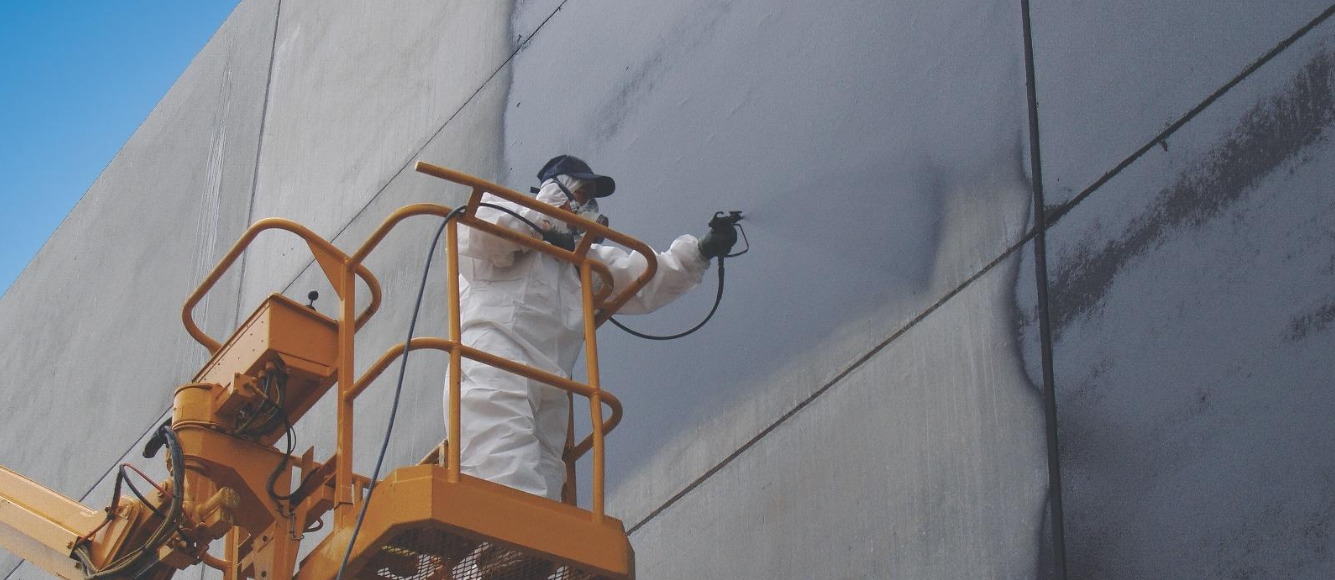
Incinerator castables should be selected according to operating temperature, corrosive gases, fly ash erosion, and wear conditions. Common types include high-alumina castable, silicon carbide castable, mullite castable, lightweight insulating castable, and acid-resistant castable.1. High-Alumina CastableFeatures: Mainly made from high-alumina bauxite, corundum and other refractory materials. It offers high refractoriness, good wear resistance and high-temperature strength.Applications: Suitable for furnace chambers, flue ducts and other high-temperature areas subject to moderate wear.2. Silicon Carbide CastableFeatures: Excellent wear resistance, thermal shock resistance and corrosion resistance. It is particularly suitable for areas exposed to high-speed fly ash erosion.Applications: Commonly used in the first-pass flue of waste incinerators, waste heat boilers and other high-temperature, high-wear areas.3. Mullite CastableFeatures: Provides high-temperature strength, excellent thermal shock resistance and good stability under repeated temperature changes.Applications: Suitable for furnace walls, flue ducts and areas exposed to significant thermal stress and temperature fluctuations.4. Lightweight Insulating CastableFeatures: Low bulk density and low thermal conductivity, providing effective thermal insulation and reducing heat loss from the furnace body.Applications: Mainly used as a backup lining, insulation layer and thermal insulation material for lower-temperature flue ducts.5. Acid-Resistant CastableFeatures: Provides good resistance to acidic gases and chemical corrosion, helping improve lining durability in complex operating environments.Applications: Suitable for flue ducts and other areas exposed to corrosive gases such as HCl and SO₂.ConclusionThe selection of incinerator castables should be based on actual operating conditions. In waste incinerators with complex working environments, different castables are normally selected for different zones according to temperature, wear and corrosion conditions, improving the overall refractory, wear-resistant and corrosion-resistant performance of the lining.
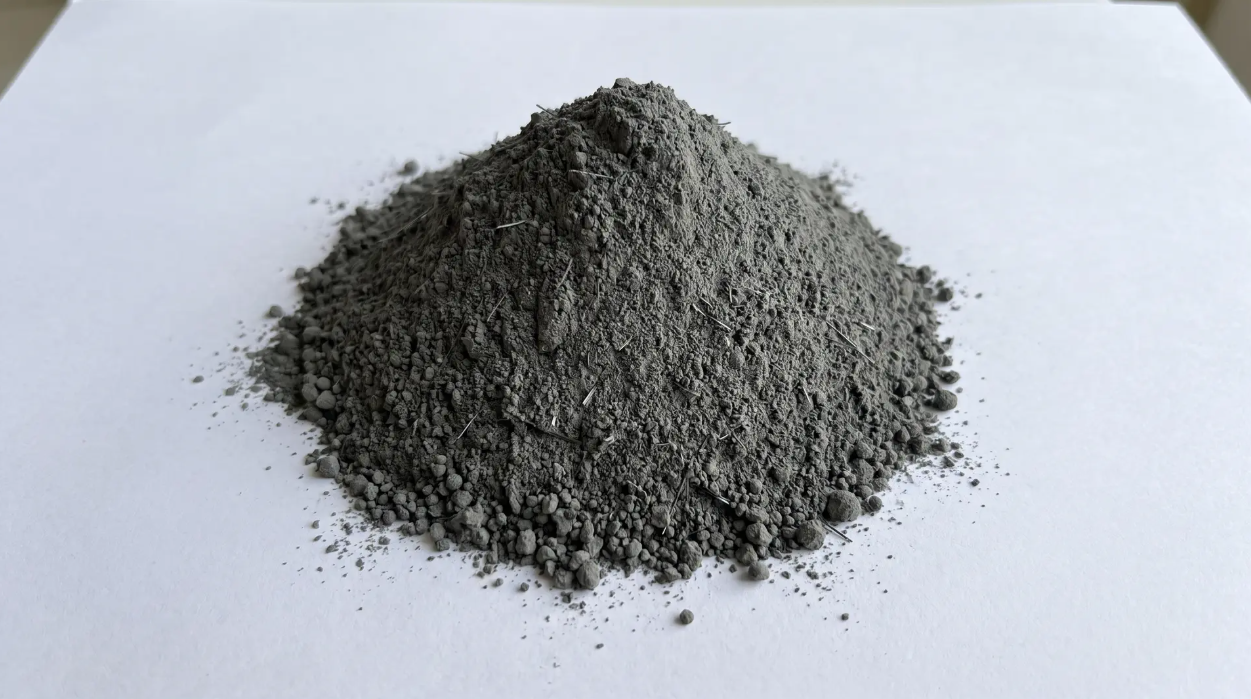
Power plant boilers mainly include pulverized coal boilers and circulating fluidized bed (CFB) boilers. Different areas of the boiler are exposed to different temperatures, abrasion, erosion and thermal shock conditions, so suitable refractory castables should be selected according to the actual operating environment.1. Slag-Resistant Wear-Resistant CastableThis castable provides high strength, excellent abrasion resistance, erosion resistance and slag resistance.Applications: Boiler furnaces, slag coolers and areas exposed to severe abrasion, erosion and slag attack.2. Steel Fiber Wear-Resistant CastableSteel fibers are added to improve mechanical strength, impact resistance and thermal shock resistance, providing better resistance to spalling.Applications: Coal feeding openings, slag coolers, furnace areas, superheaters and cyclone separator inlets.3. Wear-Resistant Self-Flowing CastableSelf-flowing castables have excellent flowability and can fill complicated structures and narrow areas with minimal vibration.Applications: Membrane walls, inertial separators, corners and areas where vibration casting is difficult.4. Thermal Shock Resistant CastableThis type of castable provides high refractoriness, strength and thermal shock resistance, making it suitable for areas with frequent temperature fluctuations.Applications: Ignition air ducts, water-cooled air chambers and other areas subject to rapid temperature changes.5. High-Strength High-Alumina CastableHigh-alumina castables offer high strength, abrasion resistance, impact resistance, penetration resistance and corrosion resistance.Applications: Boiler arches, roofs, rear walls and other high-temperature areas.6. Corundum-Mullite Wear-Resistant CastableBased mainly on corundum and mullite, this castable provides high strength, excellent wear resistance, high-temperature performance and good thermal shock resistance.Applications: Boiler furnaces and other high-temperature, highly abrasive areas.Common Application AreasRefractory linings in CFB boilers are exposed to intense particle circulation and abrasion. Common application areas include:Boiler furnace and dense-phase zoneCoal feeding openingsReturn feedersCyclone separatorsSlag coolersIgnition air ductsWater-cooled air chambersBoiler roofs and wallsSuperheaters and other highly erosive areasSelection ConsiderationsRefractory castables should not be selected based only on service temperature. Abrasion, erosion, thermal shock, slag corrosion, construction method and equipment structure should also be considered.For CFB boilers, particular attention should be paid to abrasion resistance, high-temperature strength, thermal shock resistance and erosion resistance.
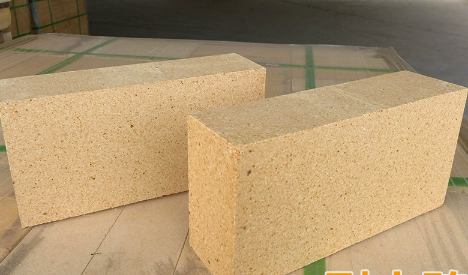
Coke oven flue ducts are continuously exposed to high-temperature gases, dust and thermal stress. Therefore, the refractory bricks used for flue duct linings must have good high-temperature resistance, thermal shock resistance and structural stability. Proper refractory brick selection and professional masonry construction can help maintain smooth gas flow and extend the service life of the coke oven lining.1. Preparation Before ConstructionSuitable refractory bricks and refractory mortar should be selected according to the operating temperature, gas conditions and structural requirements of the coke oven flue duct.The refractory bricks should meet the design requirements in terms of size, shape and appearance. Bricks with serious damage, cracks or deformation should not be used.Technical clarification should also be completed before construction, and all tools, materials and foundation conditions should be inspected.2. Foundation CleaningBefore masonry, dust, oil, debris and loose materials should be completely removed from the foundation surface.The foundation should be firm, clean and level to provide stable support for the refractory brick lining and reduce the risk of settlement or loosening during operation.3. Preparation of Refractory MortarThe refractory mortar should be selected according to the type of refractory brick and the construction requirements.Water should be added according to the product specifications, and the mortar should be mixed thoroughly to achieve suitable workability. Excessively wet or dry mortar may negatively affect joint quality and the overall strength of the lining.4. Refractory Brick MasonryRefractory bricks should be installed according to the engineering drawings and specified masonry sequence.Refractory mortar should be applied evenly to the contact surfaces before the bricks are accurately positioned and leveled.During construction, special attention should be paid to joint thickness, surface flatness and brick alignment. The internal lining should be arranged according to the direction of flue gas flow to minimize gas resistance and reduce areas where dust may accumulate.Expansion joints should also be provided according to the design requirements to accommodate thermal expansion during high-temperature operation.5. Quality InspectionThe brick joints, flatness, vertical alignment and overall dimensions should be checked continuously during construction.Any displaced, loose or cracked bricks, as well as insufficiently filled mortar joints, should be corrected promptly.After masonry is completed, the entire flue duct lining should be inspected to ensure that the structure is complete, the joints are uniform and the gas passage remains unobstructed.6. Curing and DryingAfter masonry, the refractory lining should be cured according to the technical requirements of the selected refractory materials.The lining should be protected from rain, excessive moisture and other unfavorable conditions.Before the coke oven is put into operation, if drying or controlled heating is required, the specified heating schedule should be strictly followed. Excessive heating rates may cause internal cracking of refractory bricks and masonry joints.Key Construction ConsiderationsThe key factors in coke oven flue duct refractory brick masonry include proper refractory material selection, joint thickness control, lining flatness, expansion joint design, curing and controlled heating.Professional construction can improve the high-temperature resistance and structural stability of the flue duct lining while reducing cracking, loosening and dust accumulation, providing reliable refractory protection for long-term coke oven operation.