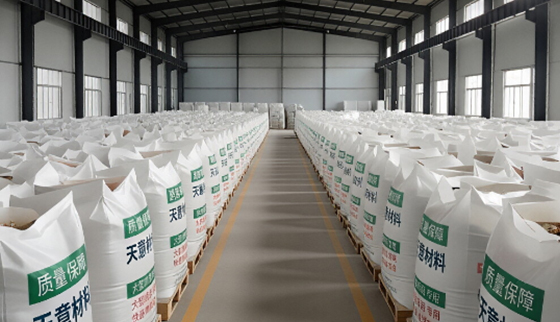
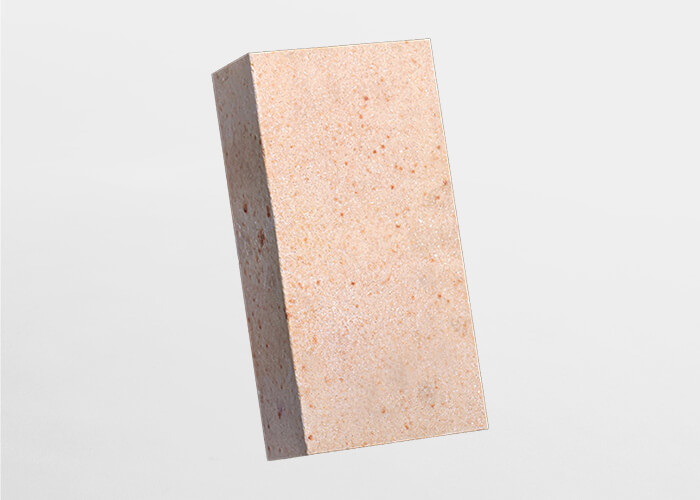
Refractory bricks are manufactured from high-quality refractory raw materials such as fire clay, high alumina, silica, and magnesia. They are widely used in steel, cement, glass, ceramics, petrochemical, and other high-temperature industries. During long-term operation, refractory bricks are subjected to extreme temperatures, mechanical stress, chemical attack, and rapid temperature changes, all of which can shorten their service life.
The following are the most common causes of refractory brick damage.
Gas-Phase Deposition
In blast furnaces, lime kilns, coke ovens, shaft kilns, and various smelting furnaces, volatile compounds such as alkali metals, zinc, lead, and carbon deposits can accumulate inside the pores and joints of refractory bricks. Over time, these deposits generate internal expansion stress, resulting in cracking, deformation, spalling, and accelerated chemical corrosion of the furnace lining.
Thermal Shock
Many industrial furnaces experience frequent heating and cooling cycles or intermittent operation. Rapid temperature changes create significant thermal stress inside refractory bricks. When the thermal stress exceeds the material's thermal shock resistance, cracks, edge chipping, surface peeling, and structural failure may occur.
Steel converters, electric arc furnaces, and non-ferrous metal melting furnaces are typical examples where sudden cooling after tapping greatly increases the risk of thermal shock damage.
Slag and Chemical Corrosion
Molten slag, liquid metal, and corrosive gases continuously react with refractory materials at high temperatures. These physical and chemical reactions gradually erode the brick structure, reduce mechanical strength, and shorten the service life of the lining. Selecting refractory bricks with chemical compositions compatible with the operating environment is essential for minimizing corrosion.
Mechanical Wear
Mechanical abrasion caused by raw material movement, high-speed gas flow, clinker, and molten materials continuously wears the brick surface. This type of damage is especially common in cement rotary kilns, glass furnaces, circulating fluidized bed boilers, and other high-wear applications.
Improper Installation
The performance of refractory bricks depends not only on product quality but also on proper installation. Excessive joint width, unsuitable refractory mortar, poor workmanship, or inadequate expansion joints can lead to uneven stress distribution during operation, causing cracking, loosening, or premature lining failure.
How to Extend the Service Life of Refractory Bricks
Selecting refractory bricks suitable for the operating conditions, ensuring professional installation, avoiding rapid heating and cooling, and carrying out regular furnace inspections can significantly improve lining performance and reduce maintenance costs.
As a professional refractory manufacturer, we supply high alumina bricks, fire clay bricks, low-porosity clay bricks, mullite bricks, magnesia bricks, and custom-shaped refractory bricks for a wide range of industrial furnace applications. Our products are designed to provide reliable performance, long service life, and improved energy efficiency in demanding high-temperature environments.