Refractory Castable vs. Refractory Brick: A Complete Guide from Materials to Applications
In modern high-temperature industries, refractory castables and refractory bricks are two of the most commonly used refractory materials. Although both are designed to withstand extreme temperatures, they differ significantly in material composition, manufacturing process, installation methods, performance, and application areas. Understanding these differences helps engineers and plant operators select the most suitable refractory solution for their furnaces and kilns.
Material Composition
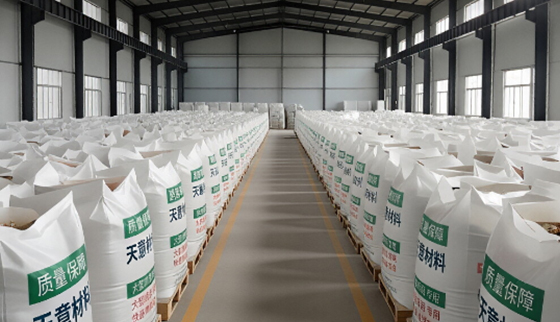
Refractory castable is an unshaped (monolithic) refractory material composed of refractory aggregates, fine powders, binders, and performance-enhancing additives. Water is added during installation to form a workable mixture, and the formulation can be adjusted to improve properties such as abrasion resistance, thermal shock resistance, and corrosion resistance.
Refractory bricks are shaped refractory products manufactured by pressing carefully selected raw materials, such as fire clay, high alumina, silica, or magnesia, into fixed shapes and firing them at high temperatures. The firing process gives the bricks excellent dimensional stability and mechanical strength.
Manufacturing Process
The production of refractory castables is relatively simple. Raw materials are accurately proportioned, mixed, and packaged before being delivered to the job site, where water is added for installation. Castables can also be manufactured into precast refractory components for faster installation.
Refractory bricks require a more complex production process, including raw material preparation, mixing, pressing, drying, and high-temperature firing. Although the manufacturing cycle is longer, the finished products offer excellent consistency, density, and structural integrity.
Installation Methods
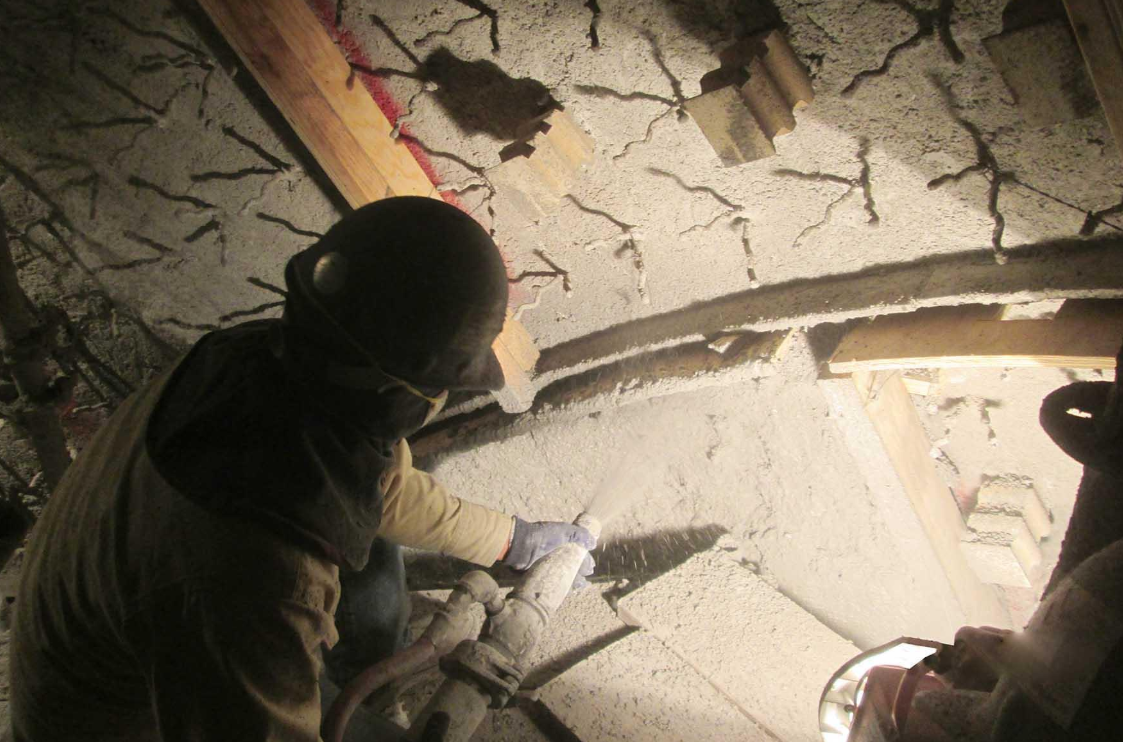
One of the biggest advantages of refractory castables is installation flexibility. They can be placed by casting, vibration, pumping, or ramming, making them ideal for complex furnace structures, irregular shapes, and large monolithic linings. This significantly reduces installation time and labor costs.
Refractory bricks are installed through traditional masonry techniques. Each brick must be laid according to the design pattern using refractory mortar, requiring skilled workers and longer construction time. However, brick linings provide excellent structural stability in demanding operating conditions.
Performance Comparison
Refractory castables offer excellent versatility because their formulations can be customized for different service conditions. By incorporating stainless steel fibers, ultrafine powders, or special additives, castables can achieve enhanced thermal shock resistance, wear resistance, and chemical corrosion resistance.
Refractory bricks, on the other hand, benefit from their high-temperature firing process, which provides superior compressive strength, dimensional stability, and long-term durability. They perform exceptionally well in continuous high-temperature operations where structural reliability is critical.
Typical Applications
Refractory castables are widely used in boilers, rotary kilns, cement kilns, waste incinerators, reheating furnaces, electric furnaces, and other industrial thermal equipment. They are particularly suitable for monolithic linings, equipment repairs, and complex furnace geometries.
Refractory bricks are commonly used in blast furnaces, hot blast stoves, coke ovens, glass melting furnaces, lime kilns, ladles, and other high-temperature equipment that requires excellent load-bearing capacity and long service life.
How to Choose Between Refractory Castables and Refractory Bricks
When a furnace has a complex structure, requires rapid installation, or benefits from seamless monolithic linings, refractory castables are often the preferred solution.
For equipment operating continuously under high temperatures with heavy mechanical loads, refractory bricks usually provide greater structural stability and longer service life.
In many industrial furnaces, both materials are used together. Critical load-bearing sections are constructed with refractory bricks, while complex areas and repair zones are completed with refractory castables. This combination maximizes installation efficiency, operational reliability, and overall cost-effectiveness.
Conclusion
Both refractory castables and refractory bricks play essential roles in modern high-temperature industries. Each material has unique advantages and is suitable for specific operating conditions. Selecting the right refractory solution requires careful consideration of furnace design, operating temperature, chemical environment, installation requirements, maintenance costs, and expected service life. Choosing the appropriate refractory materials can improve furnace efficiency, reduce downtime, lower maintenance costs, and extend equipment life.