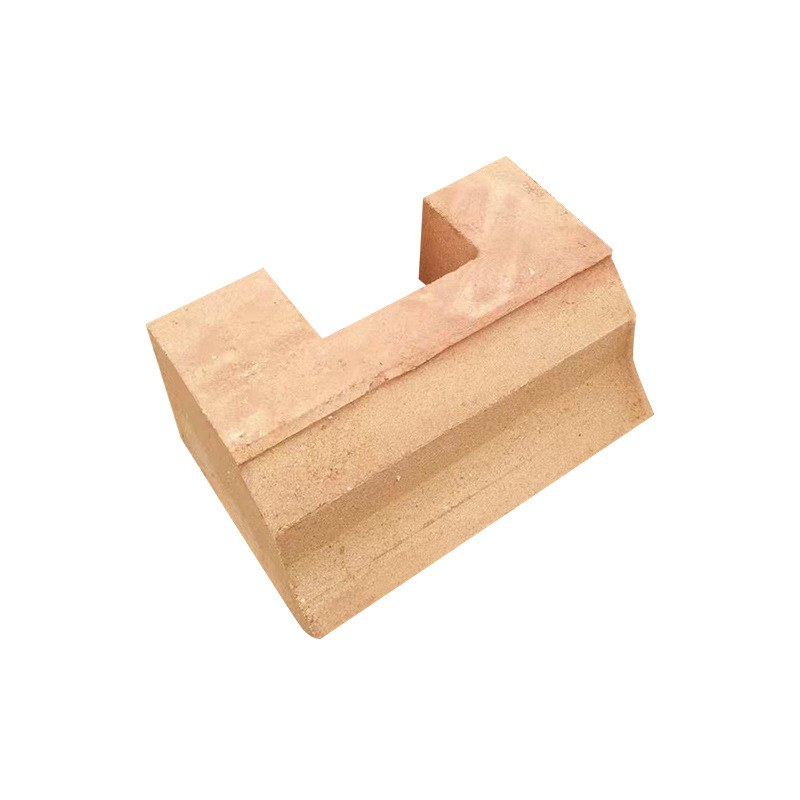
Shaped refractory bricks, also known as special-shaped refractory bricks, are customized refractory products designed to fit complex furnace structures where standard rectangular bricks cannot meet installation requirements. They are widely used in industrial furnaces that require precise dimensions, excellent sealing performance, and long-term resistance to high temperatures.
Because they can be manufactured in various shapes and sizes, shaped refractory bricks are extensively used in the steel, cement, glass, chemical, power generation, and environmental protection industries.
1. Steel & Metallurgical Industry
Typical Applications
Why Use Shaped Refractory Bricks?
Steel-making furnaces often contain curved walls, cone-shaped sections, and irregular structures. Custom-shaped refractory bricks fit these areas precisely, reducing joint gaps and improving furnace sealing. Fewer joints also help minimize heat loss, improve thermal efficiency, and increase the overall service life of the furnace lining.
High-alumina, mullite, and corundum refractory bricks are commonly selected for their excellent resistance to high temperatures, slag attack, and mechanical wear.
2. Cement Industry
Typical Applications
Why Use Shaped Refractory Bricks?
Cement kilns operate under continuous thermal cycling and abrasive clinker movement. Custom refractory bricks are designed to match the geometry of kiln components, improving installation quality while resisting abrasion, thermal shock, and mechanical impact.
3. Glass Industry
Typical Applications
Glass melting furnaces
Throat blocks
Working ends
Forehearths
Glass flow channels
Why Use Shaped Refractory Bricks?
Glass furnaces operate at temperatures exceeding 1500°C and require refractory materials with outstanding corrosion resistance against molten glass. Special-shaped refractory bricks provide precise channel designs, helping maintain stable glass flow while reducing heat loss and improving product quality.
Materials such as AZS bricks, fused cast refractories, silica bricks, and zircon-based refractories are commonly used.
4. Chemical Industry
Typical Applications
Why Use Shaped Refractory Bricks?
Chemical processing equipment often operates under corrosive atmospheres and high temperatures. Customized refractory bricks provide excellent resistance to thermal shock, chemical corrosion, and mechanical stress while ensuring an accurate fit for complex furnace structures.
5. Power Generation Industry
Typical Applications
Why Use Shaped Refractory Bricks?
Power generation equipment requires efficient thermal insulation and durable refractory linings to maintain operating efficiency. Special-shaped bricks conform to irregular equipment surfaces while reducing heat loss and extending maintenance intervals.
6. Waste Incineration & Environmental Protection
Typical Applications
Municipal waste incinerators
Hazardous waste treatment furnaces
Rotary incinerators
Secondary combustion chambers
Why Use Shaped Refractory Bricks?
Waste treatment facilities expose refractory linings to severe thermal shock and aggressive chemical attack from acidic and alkaline gases. High-performance shaped refractory bricks provide excellent corrosion resistance, helping improve furnace reliability and extend service life.
Advantages of Shaped Refractory Bricks
Custom Design
Available in various shapes, including curved, wedge, arch, tongue-and-groove, perforated, and other customized configurations to fit complex furnace designs.
Superior Furnace Performance
Custom shapes reduce brick joints, improve sealing performance, minimize heat loss, and increase thermal efficiency.
Excellent High-Temperature Resistance
Manufactured using premium refractory materials such as high-alumina, mullite, corundum, silicon carbide, silica, and zircon-based compositions to withstand demanding operating conditions.
Improved Installation Efficiency
Precisely manufactured bricks simplify installation, reduce on-site cutting, shorten construction time, and improve lining accuracy.
Longer Service Life
Optimized material selection and customized structural design help resist abrasion, thermal shock, slag attack, and chemical corrosion, reducing maintenance frequency and operating costs.
Conclusion
Shaped refractory bricks are essential components in modern industrial furnaces where complex structures and demanding operating conditions require customized refractory solutions. Whether used in steel plants, cement kilns, glass furnaces, chemical reactors, power boilers, or waste incineration systems, custom refractory bricks provide superior fit, enhanced durability, improved energy efficiency, and longer furnace service life.
If you are looking for custom-shaped refractory bricks manufactured according to your drawings or technical requirements, our engineering team can provide professional design support and reliable refractory solutions for your industrial furnace projects.