Rotary kilns are widely used in industries such as cement, lime, metallurgy, and chemical processing. The refractory lining inside the kiln plays a critical role in protecting the steel shell from high temperatures, chemical attack, and mechanical wear. Proper installation of refractory bricks is just as important as selecting high-quality refractory materials.
For large rotary kilns, the arch frame bricklaying method is one of the most reliable installation techniques. Compared with traditional manual methods, it improves installation accuracy, increases construction efficiency, and ensures a tighter and more stable refractory lining.
What Is the Arch Frame Bricklaying Method?
The arch frame method uses a movable working platform equipped with hydraulic or pneumatic clamping devices. These devices apply uniform pressure to each refractory brick, keeping it firmly against the kiln shell during installation. This method minimizes joint gaps and helps achieve a strong, durable lining structure.
Installation Procedure
1. Install the Lower Half of the Kiln Lining
Begin by laying the refractory bricks on the lower half of the kiln to create a stable foundation for the remaining lining.
2. Position the Mobile Working Platform
Move the installation platform into place and align the hydraulic or pneumatic clamping system with the section being installed.
3. Install and Secure the Bricks
Place each refractory brick into the clamping device. The hydraulic system presses the brick firmly against the kiln shell while installers adjust its position and alignment.
4. Lock the Final Bricks
Before inserting the key brick, use jacks or expansion tools to apply pressure from both sides of the brick ring. This compresses the entire lining and ensures tight brick joints before the final locking brick is installed.
Advantages of the Arch Frame Method
Higher installation precision
Uniform compression between refractory bricks
Reduced joint gaps and improved sealing
Enhanced structural stability
Faster installation with lower labor intensity
Longer refractory lining service life
Suitable for large-diameter rotary kilns
Applications
The arch frame bricklaying method is commonly used in large industrial rotary kilns, including:
Recommended Refractory Bricks
Depending on the operating temperature and process conditions, rotary kilns may use different refractory materials, including:
High Alumina Bricks
Mullite Bricks
Magnesia Bricks
Magnesia-Chrome Bricks
Low Porosity Clay Bricks
Silicon Mullite Bricks
Andalusite Bricks
Corundum Mullite Bricks
Selecting the appropriate refractory brick and using the correct installation method can significantly improve kiln performance, reduce maintenance frequency, and lower operating costs.
Tianyi Refractory Solutions
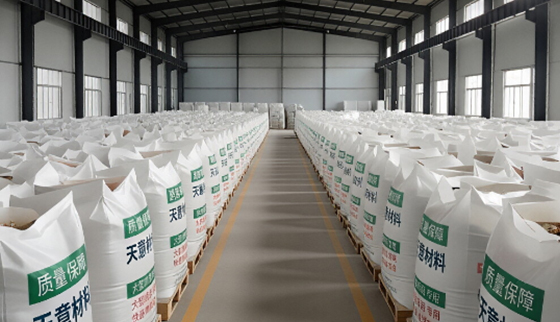
Tianyi Refractory manufactures a wide range of high-quality refractory bricks and monolithic refractory materials for rotary kilns and other high-temperature industrial furnaces. Our products are designed to provide excellent thermal resistance, mechanical strength, and long service life for demanding industrial applications.
If you need refractory solutions for your rotary kiln project, our technical team can recommend the most suitable products based on your operating conditions.