咨询热线:18906399575
Boiler castable refractory generally requires a controlled drying and heating process after installation. The purpose is to gradually remove free water and chemically bound water from the refractory lining, preventing cracking, spalling, or explosive damage caused by rapid heating.Under normal conditions, the complete drying and heating process typically requires at least 4 days. The actual schedule should be adjusted according to the castable type, lining thickness, curing condition, and boiler structure.Basic Boiler Castable Heating Process1. Free Water RemovalAfter the castable has completed the required curing period, heating should begin slowly.Heating rate: 10–20°C/hTarget temperature: 110–115°CHolding time: 24–48 hoursThis stage mainly removes free water from the castable.2. Bound Water RemovalThe temperature is gradually increased to release chemically bound water.Heating rate: 15–30°C/hTarget temperature: approximately 350°CHolding time: 24–48 hoursFor thick or large-volume castable linings, a slower heating rate and longer holding period may be required.3. Heat-Soaking StageThe temperature is gradually increased to approximately 600°C.Heating rate: 15–20°C/hTarget temperature: approximately 600°CHolding time: 16–32 hoursThis stage helps achieve a more uniform temperature throughout the refractory lining.4. Heating to Operating TemperatureAfter reaching approximately 600°C, the boiler can continue heating according to the refractory manufacturer's technical requirements and the equipment's operating conditions.A typical heating rate is approximately 20–40°C/h.Key ConsiderationsControl the heating rate: Thick refractory linings require slower heating because moisture is more difficult to remove from the interior.Allow sufficient holding time: Each temperature stage should be maintained long enough to allow moisture to escape gradually.Complete proper curing: The castable should normally be naturally cured for at least 3 days according to the product's technical requirements, while avoiding soaking or excessive moisture exposure.Avoid rapid temperature increases: Excessive heating rates can generate high internal steam pressure, potentially causing cracks, spalling, or explosive failure.ConclusionBoiler castable refractory generally requires 4 days or more for controlled drying and heating. The exact heating schedule should be determined according to the refractory material, installation thickness, curing condition, and boiler design.For large boilers and thick refractory linings, the heating curve should strictly follow the manufacturer's technical data and the project-specific refractory installation procedure.Keywords: Boiler Castable Refractory, Castable Refractory Drying, Boiler Refractory, Refractory Castable, Boiler Lining, Industrial Boiler Refractory
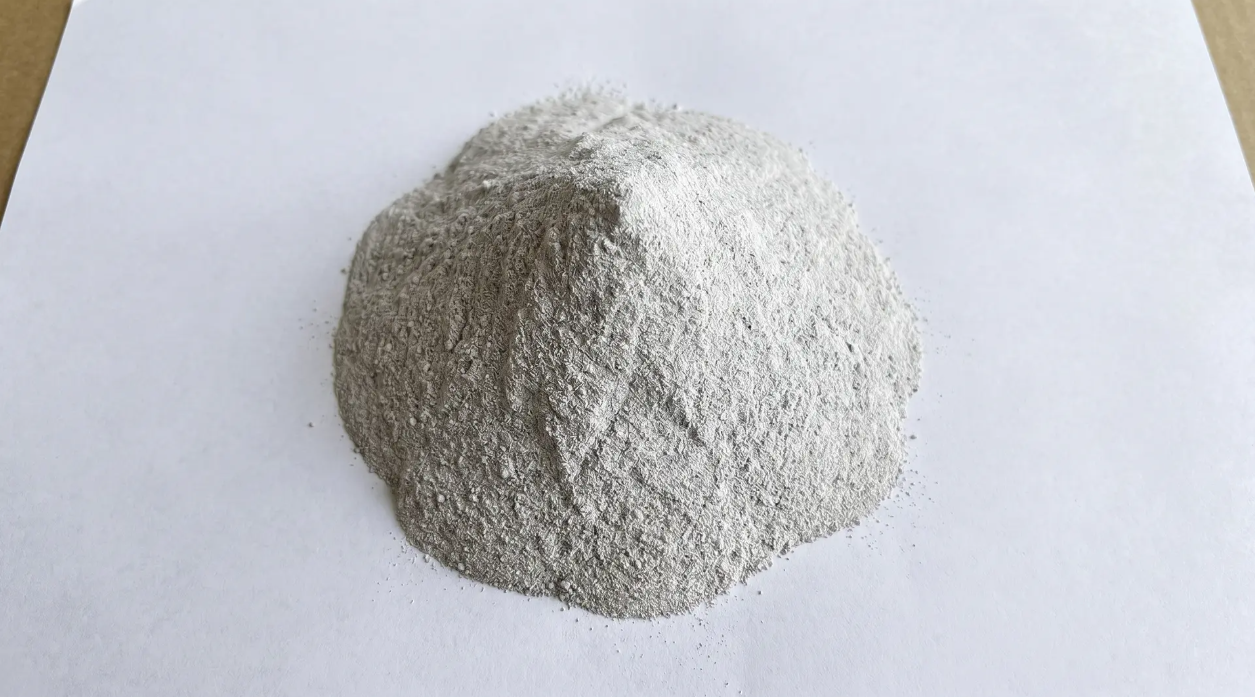
Corundum mullite refractory castable is a high-performance monolithic refractory material mainly composed of corundum (α-Al₂O₃) and mullite (3Al₂O₃·2SiO₂). It combines the excellent high-temperature strength, hardness, wear resistance and corrosion resistance of corundum with the low thermal expansion, thermal shock resistance and creep resistance of mullite.It is widely used in high-temperature equipment in the steel, metallurgy, glass, ceramics, cement, petrochemical and waste incineration industries.1. Main Raw Materials and PropertiesCorundumCorundum has high hardness, high refractoriness and excellent chemical stability. It provides strong resistance to molten slag, molten metal and other high-temperature corrosive media.In corundum mullite castable, corundum mainly improves:High-temperature strengthWear resistanceCorrosion resistanceLoad-bearing performanceHigh-temperature structural stabilityMulliteMullite is an important stable crystalline phase in the Al₂O₃-SiO₂ system. It has a relatively low thermal expansion coefficient and excellent thermal shock resistance.Mullite helps improve:Thermal shock resistanceCreep resistanceThermal stabilityResistance to thermal cyclingHigh-temperature structural stabilityCombined PerformanceCorundum provides high-temperature strength, hardness and wear resistance, while mullite improves thermal shock resistance and dimensional stability. Through optimized raw material ratios and particle-size distribution, the castable can achieve a balanced combination of strength, wear resistance, corrosion resistance and thermal stability.2. Typical Technical PropertiesThe actual properties vary according to the grade, formulation and application conditions. Typical performance ranges include:PropertyTypical ValueAl₂O₃≥70%–90%Apparent PorosityApprox. 15%–20%Load Softening Temperature≥1700°CHigh-Temperature Compressive Strength≥55 MPaThermal Shock ResistanceExcellentRecommended Service TemperatureUp to 1600°C+Customized formulations and technical parameters can be provided according to the customer's operating conditions.3. Manufacturing and FormulationCorundum mullite refractory castables are generally produced using high-purity corundum, mullite, alumina fines and other selected refractory raw materials.The formulation and manufacturing process focus on several key factors.Raw Material PurityLow-melting impurities such as Na₂O, K₂O and Fe₂O₃ should be controlled to reduce liquid-phase formation at high temperatures and improve refractoriness and corrosion resistance.Particle-Size DistributionOptimized coarse, medium and fine particle ratios help reduce internal pores and improve bulk density, strength and resistance to penetration.Binding SystemThe appropriate bonding system can be selected according to the installation method and operating conditions to achieve good workability and sufficient strength after drying and firing.Installation and CuringProper control of water addition, mixing, vibration, curing, drying and heating is important for reducing cracking and explosive spalling during initial heating.4. Main ApplicationsSteel and Metallurgical IndustryDue to its excellent wear resistance, corrosion resistance and thermal shock resistance, corundum mullite castable can be used in:Hot blast furnace high-temperature zonesLadle liningsTundish liningsReheating furnacesFurnace bottoms and wallsHigh-temperature channels and wear-resistant areasFor areas exposed to molten steel, slag or high-temperature gas flow, formulations with higher Al₂O₃ content and higher density can be selected.Glass FurnacesGlass production requires refractory materials with excellent resistance to molten glass corrosion and high-temperature deformation.Corundum mullite castable can be used for:High-temperature furnace areasGlass flow channelsFurnace liningsLocal repairsCustomized refractory precast componentsIts corrosion resistance and high-temperature stability can help extend refractory lining service life.Ceramic KilnsThe material can be used in roller kilns, pusher kilns and other high-temperature ceramic firing equipment.Its thermal shock resistance helps reduce cracking caused by repeated heating and cooling cycles, while its wear resistance provides reliable performance in high-temperature working areas.Cement and Building MaterialsCorundum mullite castables can be used in cement kilns, preheaters, calciners and other high-temperature equipment.The appropriate grade can be selected according to operating temperature, material abrasion, chemical attack and installation requirements.Waste Incineration and Petrochemical IndustryThe material can also be applied to waste incinerators, cracking furnaces, reformers and other high-temperature equipment exposed to severe thermal, abrasive and corrosive conditions.5. Key AdvantagesHigh-Temperature StrengthThe corundum phase provides excellent load-bearing performance at elevated temperatures.Excellent Wear ResistanceSuitable for areas exposed to continuous material impact and abrasion.Good Thermal Shock ResistanceThe low thermal expansion characteristics of mullite help reduce thermal stress during rapid temperature changes.Strong Corrosion ResistanceHigh Al₂O₃ content and controlled impurity levels improve resistance to slag, molten materials and corrosive gases.Customizable FormulationThe formulation can be adjusted according to operating temperature, equipment structure, abrasion level, chemical environment and installation method.6. How to Select Corundum Mullite CastableAl₂O₃ content is not the only factor when selecting a refractory castable. The following operating conditions should also be considered:Operating temperatureChemical environmentSlag or molten material exposureAbrasion intensityThermal cycling frequencyInstallation methodLining thicknessDrying and heating scheduleExpected service lifeDifferent industrial equipment requires different grades and formulations.7. Customized Corundum Mullite Refractory CastableWe provide corundum mullite refractory castables according to the customer's equipment type, operating temperature, installation method and working environment.For product specifications, TDS, test reports, samples or quotations, please contact us and provide the equipment name, working temperature and application area. Our technical team can recommend a suitable refractory castable based on your actual operating conditions.
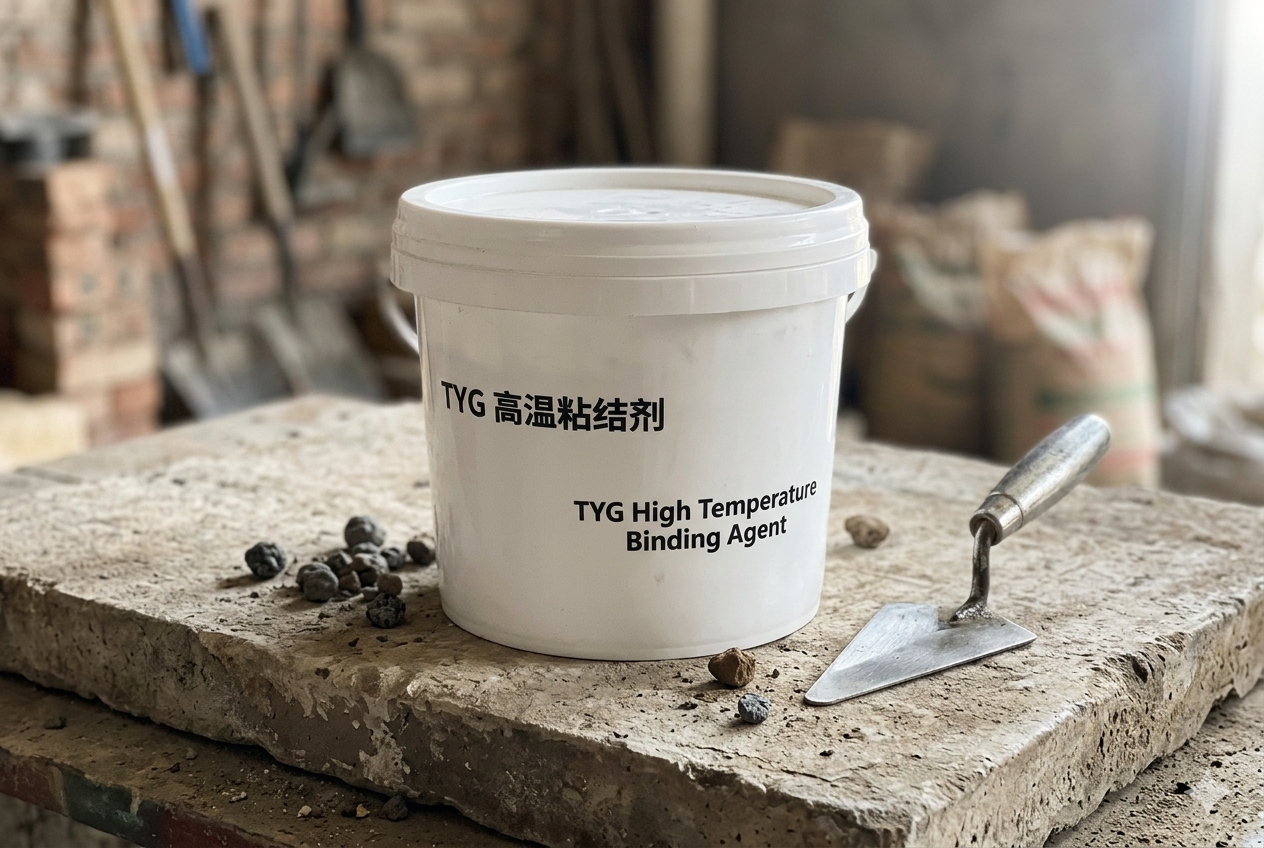
Binders are an important component of refractory material formulations. They are mainly used to bond aggregates and fine powders together while improving forming properties, workability and mechanical strength.Based on their composition and bonding mechanism, refractory binders can generally be divided into organic binders and inorganic binders.1. Organic BindersOrganic binders are based on organic compounds and develop bonding strength through physical curing, chemical reactions or carbonization at high temperatures.Common types include:Resin binders: phenolic resin, epoxy resin and polyimide resin.Pitch binders: coal tar pitch and petroleum pitch.Polymer binders: polyvinyl alcohol, polyurethane and carboxymethyl cellulose.Natural organic binders: dextrin and lignosulfonates.Organic binders provide good bonding and forming properties at room temperature. Some can form residual carbon after heating, making them widely used in magnesia-carbon bricks, carbon bricks and other carbon-containing refractories.2. Inorganic BindersInorganic binders are based on inorganic compounds and form bonding structures through hydration, chemical reactions, gelation or high-temperature sintering.Common types include:Silicate binders: water glass and sodium silicate.Aluminate binders: calcium aluminate cement and high-purity calcium aluminate cement.Phosphate binders: phosphoric acid, aluminum dihydrogen phosphate and sodium tripolyphosphate.Sol binders: silica sol and alumina sol.Ultrafine powders: silica fume and reactive alumina powder.Inorganic binders generally provide good high-temperature stability and are widely used in refractory castables, gunning mixes, ramming materials, plastic refractories and unfired refractory bricks.3. Functions of Binders in Refractory MaterialsBinders do more than simply bond refractory raw materials together. They can significantly affect the overall performance of refractory products.Their main functions include:Improving forming properties – enhancing flowability, plasticity and workability.Increasing room-temperature strength – improving stability during demolding, transportation and installation.Optimizing particle structure – helping aggregates, fine powders and ultrafine powders form a stable structure.Improving high-temperature performance – supporting high-temperature strength and corrosion resistance.Extending service life – influencing porosity, thermal shock resistance and resistance to chemical attack.4. Applications in Different Refractory MaterialsRefractory Castables: Calcium aluminate cement, silica sol and alumina sol are commonly used as bonding systems.Gunning Materials: Cement and phosphate binders can be selected according to the spraying process to improve adhesion and setting properties.Ramming and Plastic Refractories: Phosphoric acid, phosphate binders or bonding clay can be used to improve plasticity and workability.Fired Refractory Bricks: Temporary binders such as dextrin and lignosulfonates are commonly used and gradually burn out during firing.Unfired Refractory Bricks: Phosphate binders, water glass or resin binders can form chemical bonds and provide strength.Carbon-Containing Refractories: Magnesia-carbon bricks, alumina-magnesia-carbon bricks and carbon bricks commonly use phenolic resin or pitch as carbon binders.5. Selection of Refractory BindersThe selection of a suitable binder should consider raw material grading, installation method, operating temperature, furnace atmosphere, strength requirements and corrosion resistance.A higher binder addition does not necessarily provide better performance. Excessive binder may affect pore structure and high-temperature properties. Therefore, the appropriate binder type and dosage should be determined through formulation design and testing.ConclusionProper binder selection can improve the forming and installation properties of refractory materials while enhancing room-temperature strength, high-temperature performance and corrosion resistance.Selecting the appropriate organic or inorganic bonding system according to the specific application is an important part of refractory material formulation and performance optimization.
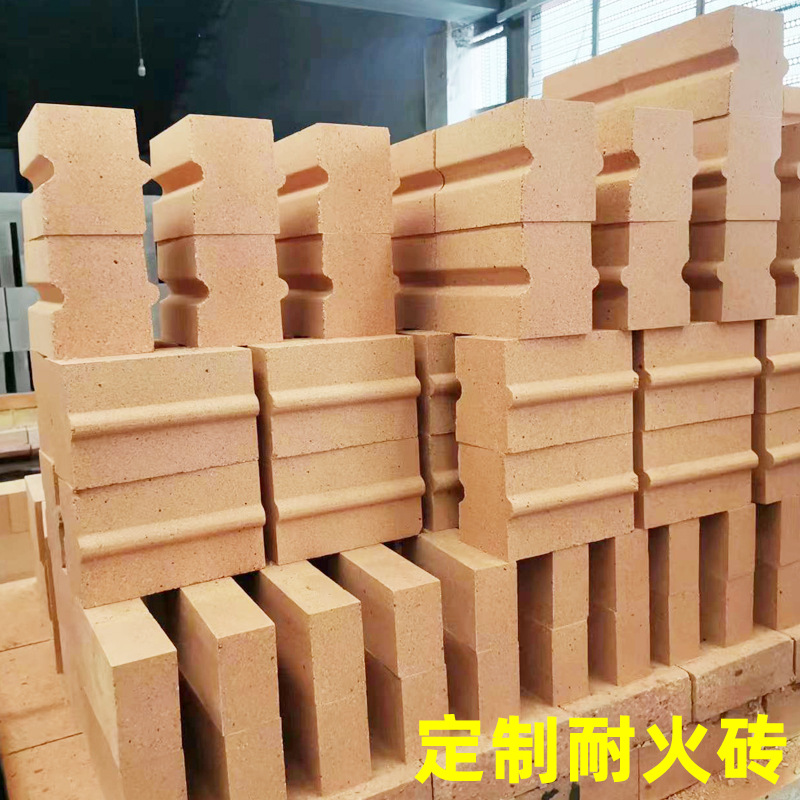
Refractory bricks are essential materials used in steel, cement, glass, petrochemical, power generation, and non-ferrous metallurgy industries. Their prices vary significantly depending on material composition, performance requirements, manufacturing process, and application conditions.1. Raw Material QualityThe primary factor affecting refractory brick prices is the raw material.Common refractory bricks include:Clay BricksHigh Alumina BricksMullite BricksCorundum BricksSilica BricksMagnesia BricksMagnesia Carbon BricksAZS BricksHigher contents of Al₂O₃, MgO, or ZrO₂ generally provide better refractoriness and longer service life but also increase production costs.2. Size and ShapeStandard bricks are mass-produced using standard molds, making them more economical.Custom-shaped refractory bricks require dedicated molds, precision machining, and additional manufacturing steps, resulting in higher prices.Large precast refractory components are even more expensive due to their complex production process.3. Performance RequirementsHigher technical specifications usually lead to higher prices.Important performance indicators include:Bulk DensityApparent PorosityCold Crushing StrengthRefractoriness Under LoadThermal Shock ResistanceCorrosion ResistanceImproved performance requires higher-quality raw materials and stricter manufacturing control.4. Order QuantityLarge-volume purchases reduce production and mold costs, allowing manufacturers to offer more competitive pricing.Small custom orders generally have higher unit costs.5. Packaging, Transportation, and CertificationAdditional costs may include:Export packagingInland transportationOcean freightCustoms clearanceProduct testingThird-party certificationTaxesShipping distance and destination country requirements also affect the final quotation.6. Market ConditionsRaw material prices, natural gas costs, environmental regulations, and logistics expenses all influence refractory brick prices.Market fluctuations may cause quotations to change over time.How to Get an Accurate QuotationTo receive an accurate quotation, buyers should provide:Brick typeChemical composition requirementsDimensions or technical drawingsWorking temperatureApplicationRequired quantityDelivery destinationComplete technical information allows manufacturers to recommend suitable products and provide competitive pricing.ConclusionThe price of refractory bricks is determined by raw materials, dimensions, performance, manufacturing process, order quantity, transportation, and market conditions. Rather than focusing only on the lowest price, buyers should consider product quality, service life, and overall operating costs. Choosing a reliable refractory brick manufacturer ensures better performance, longer furnace life, and lower maintenance costs over the long term.
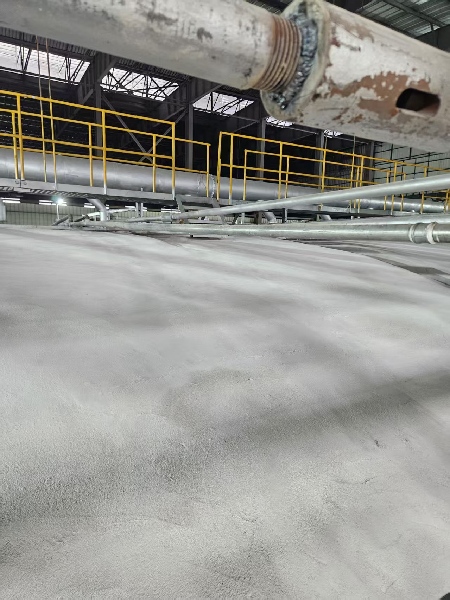
Carbon baking furnaces are widely used in the production of carbon blocks, graphite electrodes, and carbon anodes. Since these furnaces operate under continuous high temperatures, thermal cycling, and corrosive gases, selecting the right refractory materials is essential for maintaining furnace efficiency, product quality, and long service life.Common Refractory Bricks Used in Carbon Baking FurnacesHigh Alumina BricksHigh alumina bricks offer excellent refractoriness, high mechanical strength, and superior resistance to slag and chemical attack. They are commonly used in combustion chambers, flues, and high-temperature zones.AdvantagesExcellent high-temperature resistanceHigh compressive strengthGood corrosion resistanceLong service lifeFire Clay BricksFire clay bricks provide good thermal shock resistance and stable thermal performance, making them suitable for furnace walls and medium-temperature areas.AdvantagesGood thermal stabilityCost-effectiveEasy installationReliable performanceSilica BricksSilica bricks exhibit excellent load-bearing capacity at high temperatures and outstanding dimensional stability, making them suitable for selected high-temperature sections.AdvantagesHigh-temperature strengthExcellent dimensional stabilityAcid resistanceCommon Problems and Solutions1. Smoke Escaping from the Furnace SurfaceCausesLow preheating temperatureIncomplete combustion of volatile gasesInsufficient negative pressure in flue channelsSolutionsIncrease the preheating temperatureOptimize combustion conditionsImprove flue draft and exhaust efficiency2. Tar Build-up in the Exhaust SystemCausesLow oxygen concentrationIncomplete combustionPoor exhaust flow distributionSolutionsIncrease combustion air supplyImprove exhaust duct designClean exhaust channels regularly3. Coke Build-up and Blocked Vertical JointsCausesTar condensation on furnace wallsExcessive refractory mortar during constructionInadequate maintenanceSolutionsOptimize baking proceduresControl construction qualityPerform regular cleaning and inspection4. Refractory Brick DamageCausesLow-quality refractory materialsInsufficient refractorinessHigh apparent porosityRepeated thermal shockSolutionsSelect high-quality refractory bricksVerify physical and chemical propertiesInspect the furnace lining periodicallyReplace damaged bricks promptlyChoosing the Right Refractory BricksWhen selecting refractory bricks for a carbon baking furnace, factors such as operating temperature, thermal shock frequency, chemical environment, mechanical strength, and expected service life should all be considered.A properly designed lining system using high alumina bricks, fire clay bricks, silica bricks, insulating bricks, and shaped refractory bricks can significantly improve furnace stability, reduce energy consumption, minimize maintenance costs, and extend the overall service life of the furnace.
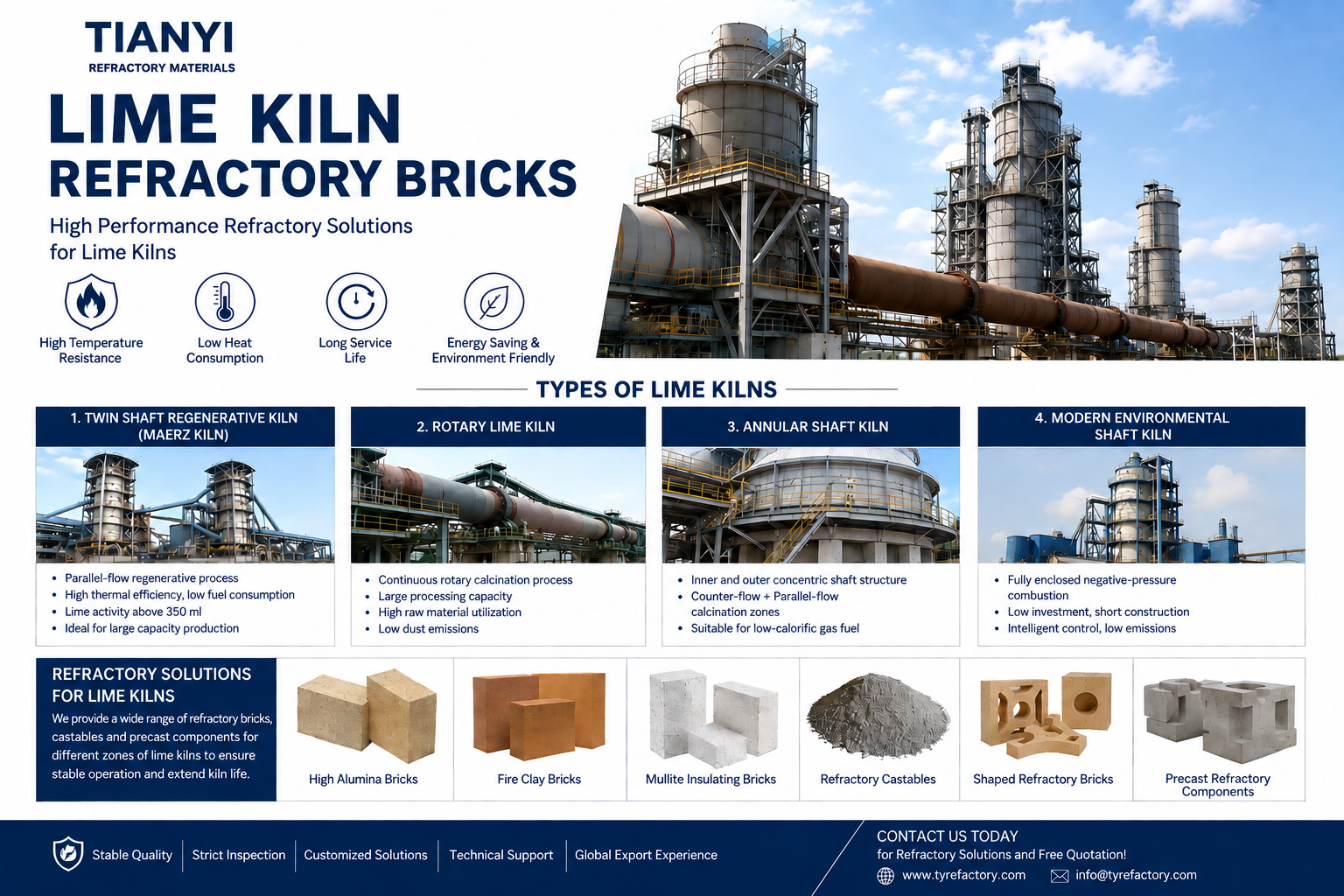
What Is a Lime Kiln?A lime kiln is an industrial furnace designed to calcine limestone (CaCO₃) at temperatures ranging from 850°C to 1200°C, producing quicklime (CaO) and carbon dioxide (CO₂). Lime kilns are widely used in the steel, cement, metallurgy, chemical, environmental protection, and building materials industries.Because lime kilns operate continuously under high temperatures and severe thermal cycling, selecting the right refractory materials is essential for improving kiln life, reducing maintenance costs, and ensuring stable production.Common Types of Lime Kilns1. Twin Shaft Regenerative Kiln (Maerz Kiln)The twin shaft regenerative kiln adopts a parallel-flow regenerative process, offering excellent thermal efficiency and low fuel consumption.FeaturesHigh thermal efficiencyLow energy consumptionLime activity above 350 mlIdeal for large-capacity productionWidely used in steel and calcium carbide industriesRecommended Refractory BricksHigh Alumina BricksFire Clay BricksMullite Insulating BricksRefractory Castables2. Rotary Lime KilnRotary lime kilns use a continuous rotary calcination process, providing excellent adaptability to different limestone sizes and production capacities.AdvantagesContinuous operationLarge processing capacityHigh raw material utilizationLow dust emissionsSuitable for large-scale industrial productionRecommended Refractory MaterialsHigh Alumina BricksLow Porosity Fire Clay BricksMullite BricksWear-resistant CastablesPrecast Refractory Blocks3. Annular Shaft KilnThe annular shaft kiln features an inner and outer concentric shaft structure, utilizing combined counter-flow and parallel-flow calcination zones.AdvantagesHigh heat utilizationSuitable for low-calorific gas fuelStable temperature distributionEnergy-efficient operationRecommended ProductsHigh Alumina BricksFire Clay BricksLightweight Insulating BricksCeramic Fiber Modules4. Modern Environmental Shaft KilnModern shaft kilns utilize fully enclosed negative-pressure combustion systems, combined with automated control, dust collection, desulfurization, and denitrification equipment.AdvantagesLow investment costShort construction periodLow emissionsIntelligent automatic controlIdeal for small and medium-sized lime plants
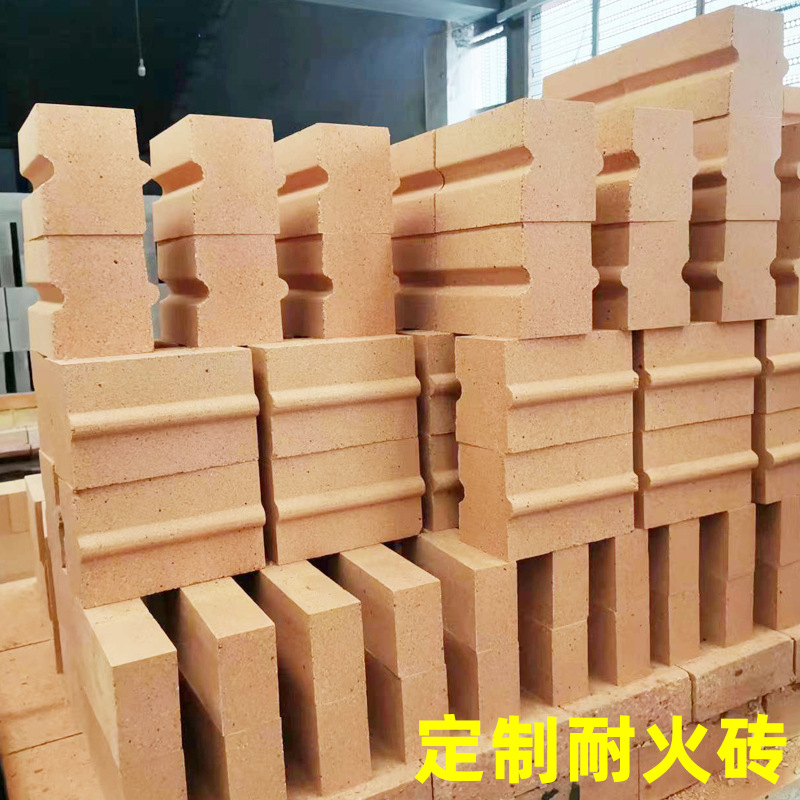
Shaped refractory bricks are specially manufactured refractory products designed to fit complex furnace structures and meet specific operating conditions. Compared with standard refractory bricks, they are customized according to engineering drawings, dimensions, and installation requirements, making them ideal for industrial furnaces with irregular shapes.Depending on the application environment, shaped refractory bricks are mainly classified into the following materials.1. Alumina-Silica Refractory BricksAlumina-silica refractories are the most widely used type of shaped refractory bricks. They include fire clay bricks, high alumina bricks, mullite bricks, and corundum bricks, with alumina (Al₂O₃) and silica (SiO₂) as their primary components.FeaturesExcellent high-temperature resistanceGood thermal shock resistanceHigh compressive strengthSuitable for most industrial furnacesApplicationsBlast furnaces, hot blast stoves, glass furnaces, ceramic kilns, cement kilns, and various industrial heating furnaces.2. Basic Refractory BricksBasic refractory bricks mainly include magnesia bricks and magnesia-spinel bricks, with magnesium oxide (MgO) as the primary component.FeaturesExcellent resistance to alkaline slagHigh refractoriness under loadOutstanding performance at elevated temperaturesApplicationsRotary cement kilns, steel converters, electric arc furnaces, ladles, and refining furnaces.3. Silicon Carbide Refractory BricksSilicon carbide refractory bricks are manufactured using high-purity silicon carbide (SiC).FeaturesSuperior wear resistanceHigh thermal conductivityExcellent corrosion resistanceOutstanding thermal shock resistanceApplicationsKiln rails, cooling zones of cement kilns, waste incinerators, and other high-wear furnace components.4. Composite Customized Refractory BricksComposite shaped refractory bricks are customized by selecting different refractory aggregates, binders, and additives according to the customer's operating conditions.These products can provide:Excellent thermal shock resistanceHigh corrosion resistanceSuperior wear resistanceLow porosityHigh mechanical strengthLong service lifeThey are suitable for glass furnaces, steel plants, cement plants, petrochemical furnaces, and other demanding industrial applications.Refractory Precast BlocksBesides shaped refractory bricks, refractory precast blocks are also widely used in modern furnace construction. These products are manufactured in factories according to engineering drawings and delivered ready for installation.AdvantagesAccurate dimensionsEasy installationHigh structural strengthReduced construction timeImproved maintenance efficiencyLonger service lifeWhen Should You Choose Shaped Refractory Bricks?Complex Furnace StructuresComponents such as burner blocks, flumes, guide cones, arches, corners, and furnace doors often require custom-shaped refractory bricks because standard bricks cannot achieve the required installation accuracy.Faster ConstructionCustom-shaped refractory bricks are prefabricated before delivery, minimizing on-site cutting and significantly reducing installation time.Severe Operating ConditionsAreas exposed to high temperatures, molten slag, mechanical wear, and frequent thermal cycling benefit from the superior integrity and durability of shaped refractory bricks.Customized Industrial EquipmentFor laboratory furnaces, glass furnaces, petrochemical furnaces, and other non-standard equipment, custom refractory bricks provide the best balance between performance and cost.Professional Manufacturer of Shaped Refractory BricksTIANYI REFRACTORY MATERIALS CO., LTD. specializes in manufacturing custom-shaped refractory bricks and refractory precast blocks for industrial furnaces.Our product range includes:High Alumina Shaped Refractory BricksFire Clay Shaped Refractory BricksMullite Shaped Refractory BricksCorundum Shaped Refractory BricksSilicon Carbide Shaped Refractory BricksMagnesia Shaped Refractory BricksRefractory Precast BlocksOur products are widely used in the steel, cement, glass, ceramics, petrochemical, and power industries. We also provide OEM and custom manufacturing services based on customer drawings and technical requirements, ensuring reliable quality and long service life.
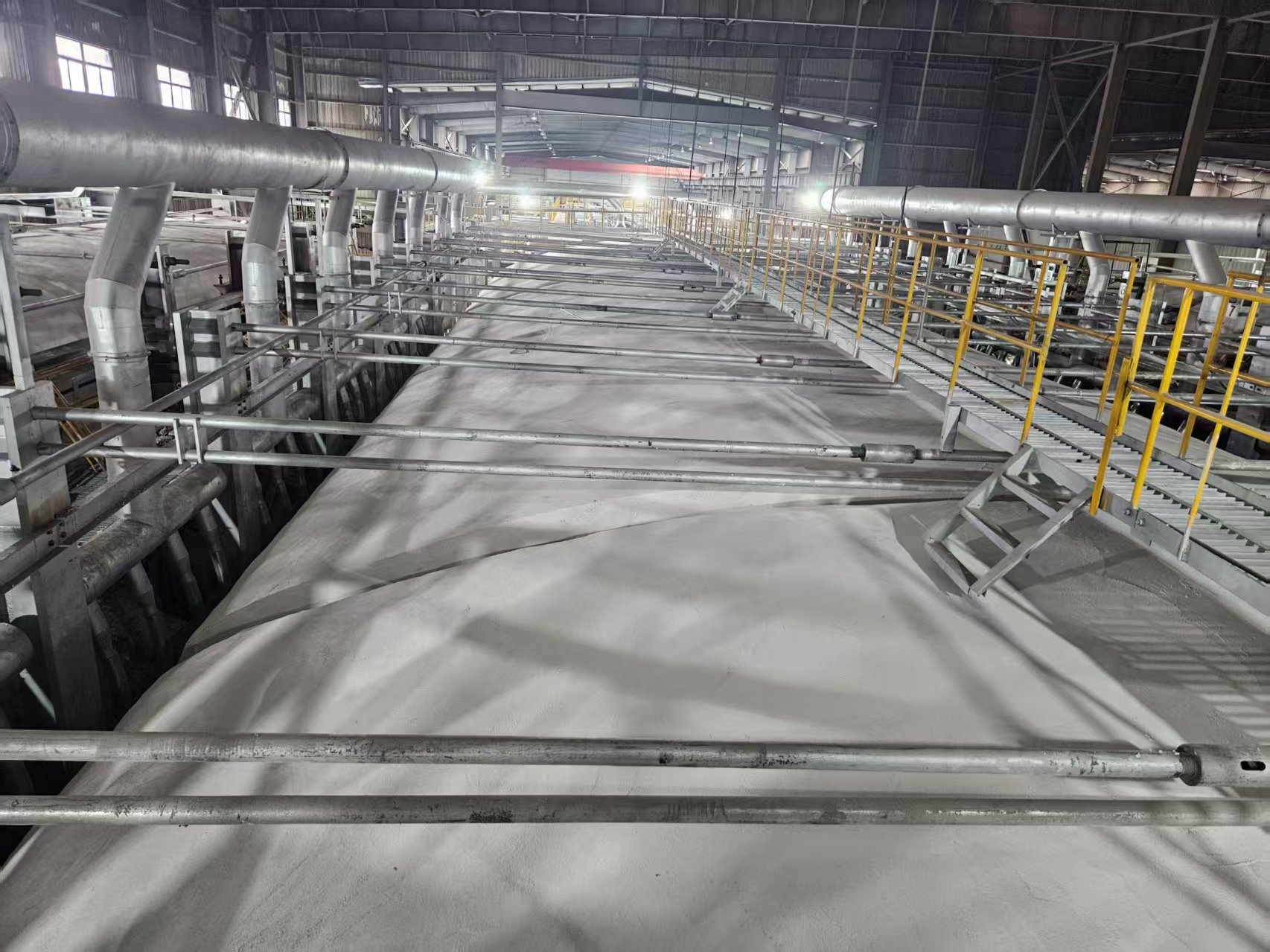
Rotary kilns are widely used in industries such as cement, lime, metallurgy, and chemical processing. The refractory lining inside the kiln plays a critical role in protecting the steel shell from high temperatures, chemical attack, and mechanical wear. Proper installation of refractory bricks is just as important as selecting high-quality refractory materials.For large rotary kilns, the arch frame bricklaying method is one of the most reliable installation techniques. Compared with traditional manual methods, it improves installation accuracy, increases construction efficiency, and ensures a tighter and more stable refractory lining.What Is the Arch Frame Bricklaying Method?The arch frame method uses a movable working platform equipped with hydraulic or pneumatic clamping devices. These devices apply uniform pressure to each refractory brick, keeping it firmly against the kiln shell during installation. This method minimizes joint gaps and helps achieve a strong, durable lining structure.Installation Procedure1. Install the Lower Half of the Kiln LiningBegin by laying the refractory bricks on the lower half of the kiln to create a stable foundation for the remaining lining.2. Position the Mobile Working PlatformMove the installation platform into place and align the hydraulic or pneumatic clamping system with the section being installed.3. Install and Secure the BricksPlace each refractory brick into the clamping device. The hydraulic system presses the brick firmly against the kiln shell while installers adjust its position and alignment.4. Lock the Final BricksBefore inserting the key brick, use jacks or expansion tools to apply pressure from both sides of the brick ring. This compresses the entire lining and ensures tight brick joints before the final locking brick is installed.Advantages of the Arch Frame MethodHigher installation precisionUniform compression between refractory bricksReduced joint gaps and improved sealingEnhanced structural stabilityFaster installation with lower labor intensityLonger refractory lining service lifeSuitable for large-diameter rotary kilnsApplicationsThe arch frame bricklaying method is commonly used in large industrial rotary kilns, including:Cement rotary kilnsLime kilnsMetallurgical rotary kilnsNickel ore rotary kilnsPelletizing kilnsChemical rotary furnacesRecommended Refractory BricksDepending on the operating temperature and process conditions, rotary kilns may use different refractory materials, including:High Alumina BricksMullite BricksMagnesia BricksMagnesia-Chrome BricksLow Porosity Clay BricksSilicon Mullite BricksAndalusite BricksCorundum Mullite BricksSelecting the appropriate refractory brick and using the correct installation method can significantly improve kiln performance, reduce maintenance frequency, and lower operating costs.Tianyi Refractory SolutionsTianyi Refractory manufactures a wide range of high-quality refractory bricks and monolithic refractory materials for rotary kilns and other high-temperature industrial furnaces. Our products are designed to provide excellent thermal resistance, mechanical strength, and long service life for demanding industrial applications.If you need refractory solutions for your rotary kiln project, our technical team can recommend the most suitable products based on your operating conditions.
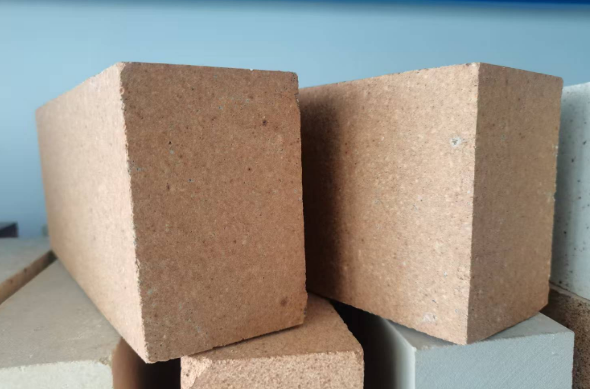
Refractory bricks are generally fired at temperatures ranging from 1320°C to 1600°C, while some specialty refractory bricks require firing temperatures above 1700°C. The soaking time is typically 4–12 hours, and the complete firing cycle, including heating, soaking, and cooling, usually takes 48–120 hours. The exact firing schedule depends on the raw materials, chemical composition, brick size, and performance requirements.Firing Temperature of Different Types of Refractory BricksFire Clay BricksFiring Temperature: 1320°C–1380°CSoaking Time: 5–8 hoursTotal Firing Cycle: 48–72 hoursFire clay bricks offer excellent thermal stability and cost-effectiveness, making them widely used in industrial furnaces and thermal equipment.High Alumina BricksThe firing temperature varies according to the alumina (Al₂O₃) content.Grade III (48%–60% Al₂O₃): 1350°C–1450°CGrade II (60%–75% Al₂O₃): 1450°C–1500°CGrade I (≥75% Al₂O₃): 1500°C–1600°C, with some premium grades fired above 1700°CTypical soaking time is 6–10 hours, and the total firing cycle ranges from 72 to 120 hours.Silica Bricks and Semi-Silica BricksFiring Temperature: 1350°C–1450°CThe heating rate must be carefully controlled to prevent cracking caused by quartz crystal transformation during firing.Special Refractory BricksSome specialty refractory bricks, such as magnesia-carbon bricks and silicon carbide bricks, are chemically bonded and only require heat treatment at 400°C–600°C. Sintered specialty bricks are generally fired between 1600°C and 1750°C.Note: Ordinary clay building bricks are fired at 900°C–1100°C and should not be confused with refractory bricks.Key Factors in the Firing Process1. Firing Temperature vs. RefractorinessFiring temperature refers to the kiln temperature required to densify and sinter the brick body. Refractoriness is the temperature at which the material begins to soften under high heat, usually above 1580°C. The firing temperature must remain below the refractoriness while ensuring complete sintering.2. Firing CycleA complete refractory brick firing cycle consists of three stages:Heating: Removes moisture and volatile substances.Soaking: Promotes densification and stable crystal formation.Cooling: Controls thermal stress and minimizes cracking.In tunnel kiln production, refractory bricks typically require several days to complete the entire firing process.3. Factors Affecting Firing Temperature and TimeSeveral factors influence the firing schedule, including:Higher alumina content requires higher firing temperatures.Larger bricks need longer soaking periods.Lower porosity and higher density demand longer firing cycles.Lightweight insulating bricks are fired at relatively lower temperatures to preserve their porous structure.ConclusionThe firing temperature of refractory bricks generally ranges from 1320°C to 1600°C, while some high-performance specialty bricks require temperatures exceeding 1700°C. Proper control of firing temperature, soaking time, and cooling rate is essential for achieving excellent strength, wear resistance, thermal shock resistance, and long service life. Selecting the appropriate firing process according to the brick type ensures reliable performance in high-temperature industrial applications.
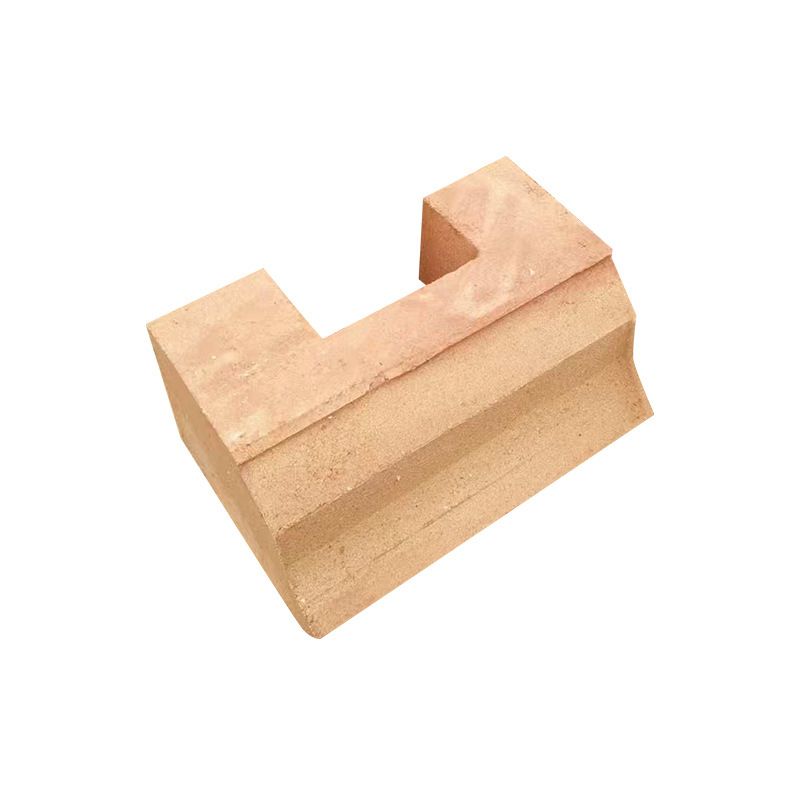
Shaped refractory bricks, also known as special-shaped refractory bricks, are customized refractory products designed to fit complex furnace structures where standard rectangular bricks cannot meet installation requirements. They are widely used in industrial furnaces that require precise dimensions, excellent sealing performance, and long-term resistance to high temperatures.Because they can be manufactured in various shapes and sizes, shaped refractory bricks are extensively used in the steel, cement, glass, chemical, power generation, and environmental protection industries.1. Steel & Metallurgical IndustryTypical ApplicationsBlast furnace throatHot blast stove checker chambersBurner blocksArch structuresFurnace roofsLoad-bearing refractory componentsWhy Use Shaped Refractory Bricks?Steel-making furnaces often contain curved walls, cone-shaped sections, and irregular structures. Custom-shaped refractory bricks fit these areas precisely, reducing joint gaps and improving furnace sealing. Fewer joints also help minimize heat loss, improve thermal efficiency, and increase the overall service life of the furnace lining.High-alumina, mullite, and corundum refractory bricks are commonly selected for their excellent resistance to high temperatures, slag attack, and mechanical wear.2. Cement IndustryTypical ApplicationsRotary kiln inlet and outletCooler side wallsTertiary air ductsBurner zonesTransition zonesWhy Use Shaped Refractory Bricks?Cement kilns operate under continuous thermal cycling and abrasive clinker movement. Custom refractory bricks are designed to match the geometry of kiln components, improving installation quality while resisting abrasion, thermal shock, and mechanical impact.3. Glass IndustryTypical ApplicationsGlass melting furnacesThroat blocksWorking endsForehearthsGlass flow channelsWhy Use Shaped Refractory Bricks?Glass furnaces operate at temperatures exceeding 1500°C and require refractory materials with outstanding corrosion resistance against molten glass. Special-shaped refractory bricks provide precise channel designs, helping maintain stable glass flow while reducing heat loss and improving product quality.Materials such as AZS bricks, fused cast refractories, silica bricks, and zircon-based refractories are commonly used.4. Chemical IndustryTypical ApplicationsReforming furnacesCracking furnacesReaction chambersHigh-temperature pipelinesWhy Use Shaped Refractory Bricks?Chemical processing equipment often operates under corrosive atmospheres and high temperatures. Customized refractory bricks provide excellent resistance to thermal shock, chemical corrosion, and mechanical stress while ensuring an accurate fit for complex furnace structures.5. Power Generation IndustryTypical ApplicationsUtility boilersCirculating fluidized bed (CFB) boilersBiomass boilersWaste heat recovery systemsGas turbine insulationWhy Use Shaped Refractory Bricks?Power generation equipment requires efficient thermal insulation and durable refractory linings to maintain operating efficiency. Special-shaped bricks conform to irregular equipment surfaces while reducing heat loss and extending maintenance intervals.6. Waste Incineration & Environmental ProtectionTypical ApplicationsMunicipal waste incineratorsHazardous waste treatment furnacesRotary incineratorsSecondary combustion chambersWhy Use Shaped Refractory Bricks?Waste treatment facilities expose refractory linings to severe thermal shock and aggressive chemical attack from acidic and alkaline gases. High-performance shaped refractory bricks provide excellent corrosion resistance, helping improve furnace reliability and extend service life.Advantages of Shaped Refractory BricksCustom DesignAvailable in various shapes, including curved, wedge, arch, tongue-and-groove, perforated, and other customized configurations to fit complex furnace designs.Superior Furnace PerformanceCustom shapes reduce brick joints, improve sealing performance, minimize heat loss, and increase thermal efficiency.Excellent High-Temperature ResistanceManufactured using premium refractory materials such as high-alumina, mullite, corundum, silicon carbide, silica, and zircon-based compositions to withstand demanding operating conditions.Improved Installation EfficiencyPrecisely manufactured bricks simplify installation, reduce on-site cutting, shorten construction time, and improve lining accuracy.Longer Service LifeOptimized material selection and customized structural design help resist abrasion, thermal shock, slag attack, and chemical corrosion, reducing maintenance frequency and operating costs.ConclusionShaped refractory bricks are essential components in modern industrial furnaces where complex structures and demanding operating conditions require customized refractory solutions. Whether used in steel plants, cement kilns, glass furnaces, chemical reactors, power boilers, or waste incineration systems, custom refractory bricks provide superior fit, enhanced durability, improved energy efficiency, and longer furnace service life.If you are looking for custom-shaped refractory bricks manufactured according to your drawings or technical requirements, our engineering team can provide professional design support and reliable refractory solutions for your industrial furnace projects.
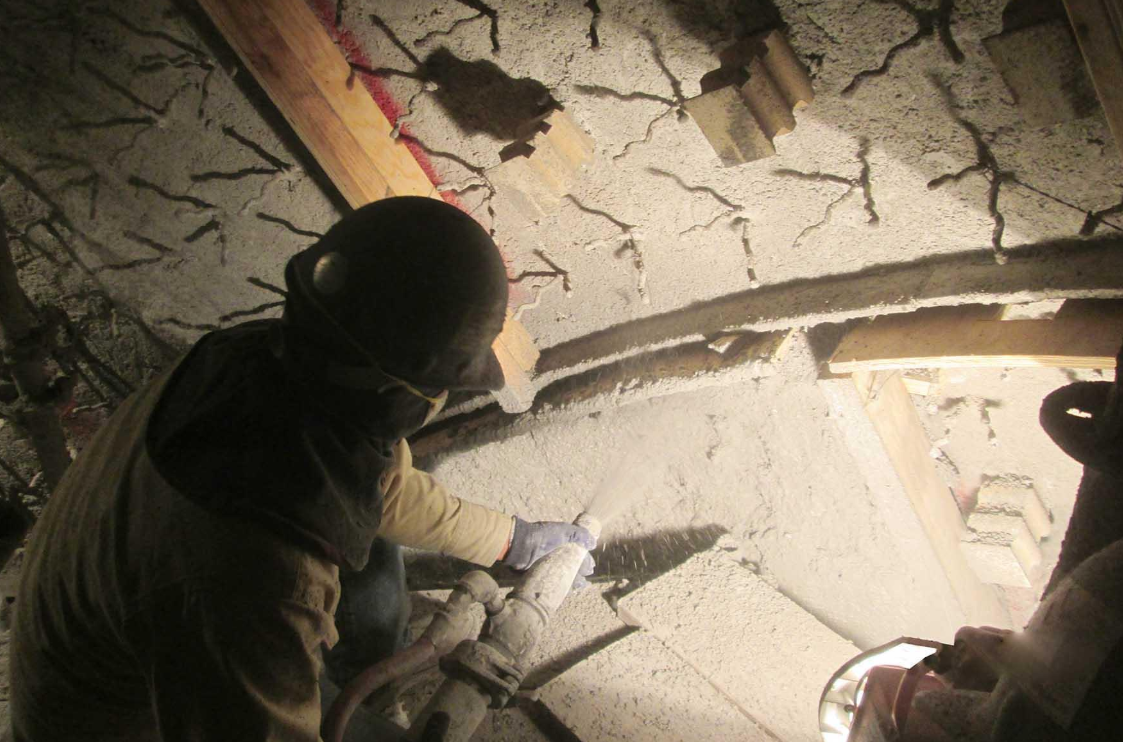
In modern high-temperature industries, refractory castables and refractory bricks are two of the most commonly used refractory materials. Although both are designed to withstand extreme temperatures, they differ significantly in material composition, manufacturing process, installation methods, performance, and application areas. Understanding these differences helps engineers and plant operators select the most suitable refractory solution for their furnaces and kilns.Material CompositionRefractory castable is an unshaped (monolithic) refractory material composed of refractory aggregates, fine powders, binders, and performance-enhancing additives. Water is added during installation to form a workable mixture, and the formulation can be adjusted to improve properties such as abrasion resistance, thermal shock resistance, and corrosion resistance.Refractory bricks are shaped refractory products manufactured by pressing carefully selected raw materials, such as fire clay, high alumina, silica, or magnesia, into fixed shapes and firing them at high temperatures. The firing process gives the bricks excellent dimensional stability and mechanical strength.Manufacturing ProcessThe production of refractory castables is relatively simple. Raw materials are accurately proportioned, mixed, and packaged before being delivered to the job site, where water is added for installation. Castables can also be manufactured into precast refractory components for faster installation.Refractory bricks require a more complex production process, including raw material preparation, mixing, pressing, drying, and high-temperature firing. Although the manufacturing cycle is longer, the finished products offer excellent consistency, density, and structural integrity.Installation MethodsOne of the biggest advantages of refractory castables is installation flexibility. They can be placed by casting, vibration, pumping, or ramming, making them ideal for complex furnace structures, irregular shapes, and large monolithic linings. This significantly reduces installation time and labor costs.Refractory bricks are installed through traditional masonry techniques. Each brick must be laid according to the design pattern using refractory mortar, requiring skilled workers and longer construction time. However, brick linings provide excellent structural stability in demanding operating conditions.Performance ComparisonRefractory castables offer excellent versatility because their formulations can be customized for different service conditions. By incorporating stainless steel fibers, ultrafine powders, or special additives, castables can achieve enhanced thermal shock resistance, wear resistance, and chemical corrosion resistance.Refractory bricks, on the other hand, benefit from their high-temperature firing process, which provides superior compressive strength, dimensional stability, and long-term durability. They perform exceptionally well in continuous high-temperature operations where structural reliability is critical.Typical ApplicationsRefractory castables are widely used in boilers, rotary kilns, cement kilns, waste incinerators, reheating furnaces, electric furnaces, and other industrial thermal equipment. They are particularly suitable for monolithic linings, equipment repairs, and complex furnace geometries.Refractory bricks are commonly used in blast furnaces, hot blast stoves, coke ovens, glass melting furnaces, lime kilns, ladles, and other high-temperature equipment that requires excellent load-bearing capacity and long service life.How to Choose Between Refractory Castables and Refractory BricksWhen a furnace has a complex structure, requires rapid installation, or benefits from seamless monolithic linings, refractory castables are often the preferred solution.For equipment operating continuously under high temperatures with heavy mechanical loads, refractory bricks usually provide greater structural stability and longer service life.In many industrial furnaces, both materials are used together. Critical load-bearing sections are constructed with refractory bricks, while complex areas and repair zones are completed with refractory castables. This combination maximizes installation efficiency, operational reliability, and overall cost-effectiveness.ConclusionBoth refractory castables and refractory bricks play essential roles in modern high-temperature industries. Each material has unique advantages and is suitable for specific operating conditions. Selecting the right refractory solution requires careful consideration of furnace design, operating temperature, chemical environment, installation requirements, maintenance costs, and expected service life. Choosing the appropriate refractory materials can improve furnace efficiency, reduce downtime, lower maintenance costs, and extend equipment life.
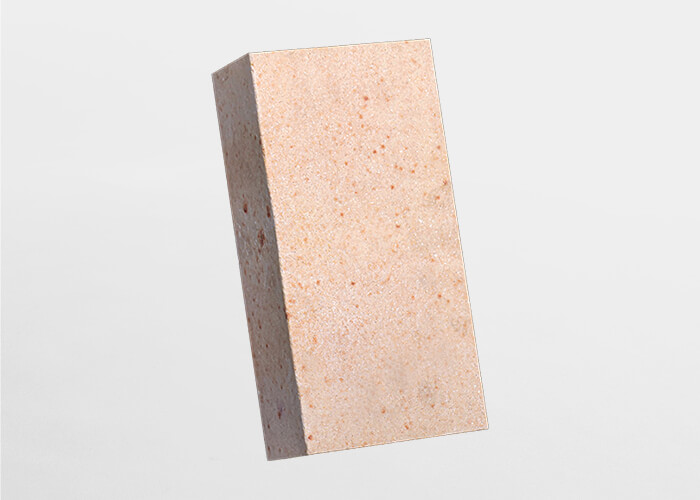
Refractory bricks are manufactured from high-quality refractory raw materials such as fire clay, high alumina, silica, and magnesia. They are widely used in steel, cement, glass, ceramics, petrochemical, and other high-temperature industries. During long-term operation, refractory bricks are subjected to extreme temperatures, mechanical stress, chemical attack, and rapid temperature changes, all of which can shorten their service life.The following are the most common causes of refractory brick damage.Gas-Phase DepositionIn blast furnaces, lime kilns, coke ovens, shaft kilns, and various smelting furnaces, volatile compounds such as alkali metals, zinc, lead, and carbon deposits can accumulate inside the pores and joints of refractory bricks. Over time, these deposits generate internal expansion stress, resulting in cracking, deformation, spalling, and accelerated chemical corrosion of the furnace lining.Thermal ShockMany industrial furnaces experience frequent heating and cooling cycles or intermittent operation. Rapid temperature changes create significant thermal stress inside refractory bricks. When the thermal stress exceeds the material's thermal shock resistance, cracks, edge chipping, surface peeling, and structural failure may occur.Steel converters, electric arc furnaces, and non-ferrous metal melting furnaces are typical examples where sudden cooling after tapping greatly increases the risk of thermal shock damage.Slag and Chemical CorrosionMolten slag, liquid metal, and corrosive gases continuously react with refractory materials at high temperatures. These physical and chemical reactions gradually erode the brick structure, reduce mechanical strength, and shorten the service life of the lining. Selecting refractory bricks with chemical compositions compatible with the operating environment is essential for minimizing corrosion.Mechanical WearMechanical abrasion caused by raw material movement, high-speed gas flow, clinker, and molten materials continuously wears the brick surface. This type of damage is especially common in cement rotary kilns, glass furnaces, circulating fluidized bed boilers, and other high-wear applications.Improper InstallationThe performance of refractory bricks depends not only on product quality but also on proper installation. Excessive joint width, unsuitable refractory mortar, poor workmanship, or inadequate expansion joints can lead to uneven stress distribution during operation, causing cracking, loosening, or premature lining failure.How to Extend the Service Life of Refractory BricksSelecting refractory bricks suitable for the operating conditions, ensuring professional installation, avoiding rapid heating and cooling, and carrying out regular furnace inspections can significantly improve lining performance and reduce maintenance costs.As a professional refractory manufacturer, we supply high alumina bricks, fire clay bricks, low-porosity clay bricks, mullite bricks, magnesia bricks, and custom-shaped refractory bricks for a wide range of industrial furnace applications. Our products are designed to provide reliable performance, long service life, and improved energy efficiency in demanding high-temperature environments.